
 Vietnamese
  Arabic
  Chinese
  English
  French
  German
  Portuguese
  Russian
  Spanish
  Thai
Thai 

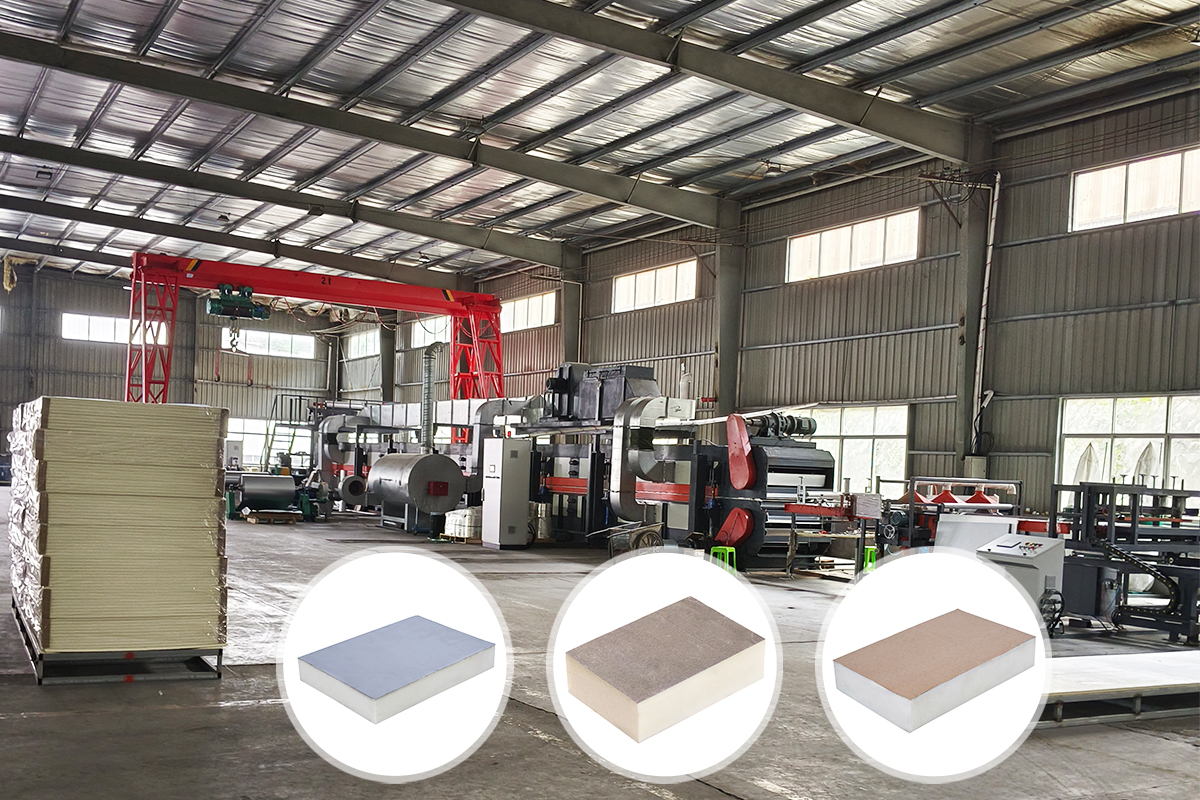
Are you looking for a thermal insulation material that offers superior energy savings, moisture resistance, and space efficiency? PIR foam insulation boards are one of the most efficient and versatile insulation materials available today. In this guide, discover why PIR boards outperform alternatives like EPS and XPS, their key benefits, and step-by-step installation tips for your next project.
What is PIR insulation?
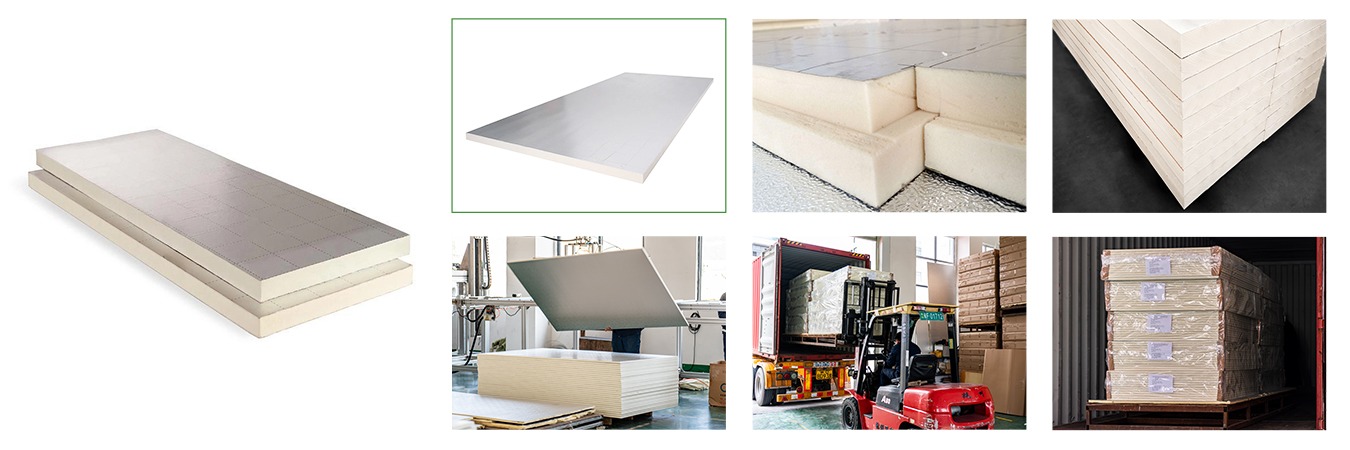
PIR insulation boards are one of the most efficient thermal insulation materials available today. PIR boards are commonly faced with aluminum foil, fiberglass mesh, or kraft paper, which enhances their mechanical and thermal performance. PIR insulation forms a closed-cell structure, Known for their low thermal conductivity and excellent moisture resistance, PIR boards are widely used in walls, floors, roofs, and HVAC ductwork.
In this guide, you’ll explore their key benefits, real-world applications, and how to install them efficiently. Whether you’re a builder, contractor, or project planner, understanding PIR insulation is essential for energy-efficient building solutions.
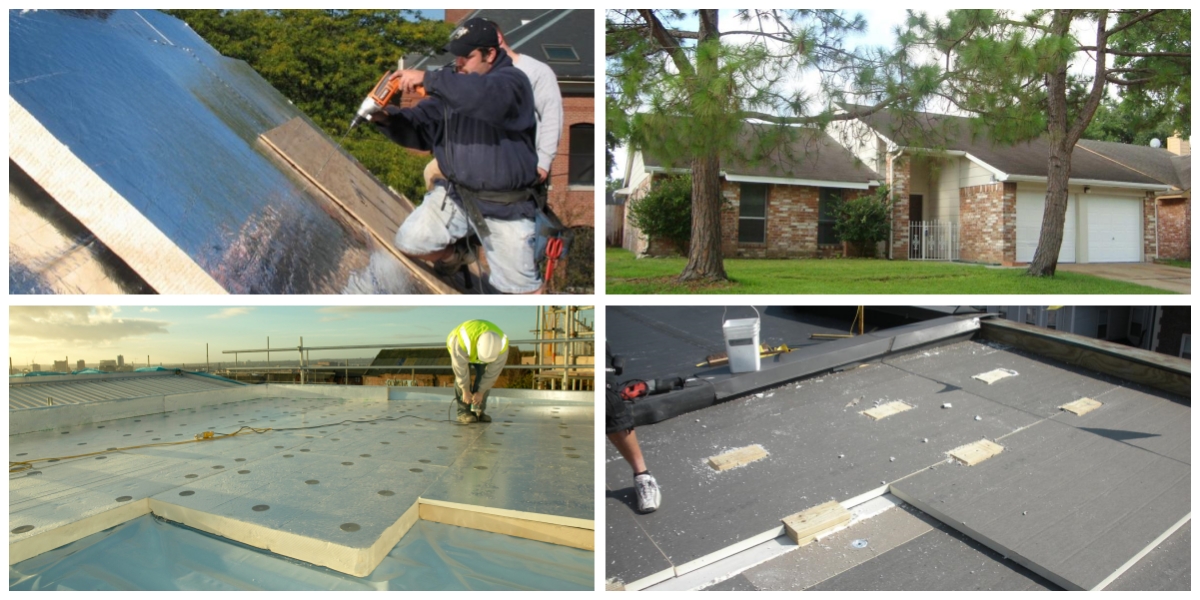
Key Advantages of PIR Insulation Boards
- High Energy Efficiency: Low thermal conductivity (~0.022 W/m·K) helps reduce heating and cooling costs by up to 30%.
- Moisture Resistance: Closed-cell structure combined with foil facings acts as a vapor barrier, protecting the insulation and structure.
- Space Saving: Achieves superior insulation at thinner thickness compared to mineral wool, ideal for tight spaces.
- Độ bền: Resistant to sagging and moisture damage, ensuring long-term performance.
- Seasonal Comfort: Keeps interiors warm in winter and cool in summer by reflecting heat away.

Làm thế nào để cài đặt bảng PIR?
Cách nhiệt PIR có thể được lắp đặt bằng kỹ thuật Dot-and-Dab. Đây là hướng dẫn từng bước:
Đánh dấu bức tường: Mark the ceiling and floor where the PIR boards will be installed. The markings should account for the board’s thickness plus 10mm. For example, if the board is 50mm thick, make the markings at 60mm. Also, mark the center of the board on the wall and place horizontal markings every 1200mm to identify the board’s margins.
Cắt bảng: Cắt các tấm ván theo kích thước phù hợp bằng cưa tay. Đảm bảo các tấm ván ngắn hơn 15 mm so với chiều cao của tường.
Chuẩn bị keo: Mix the plasterboard adhesive, according to the manufacturer’s instructions. Apply a continuous strip of adhesive to the edges of the ceiling, wall, and any openings like windows and doors.
Áp dụng chất kết dính: Chấm keo lên tường theo khoảng cách 50-75mm và các dải dài 250mm. Mỗi bảng PIR cần ba hàng keo dọc, một ở giữa và hai ở hai bên, cách mép ít nhất 25mm.
Cài đặt các bảng: Nhấn mặt sau của tấm PIR vào các miếng keo trong khi đỡ chúng bằng máy đóng gói tấm thạch cao. Căn chỉnh các tấm ván với các điểm đánh dấu trên trần và sàn, sau đó chạm chúng vào vị trí.
Bảo vệ các bảng: Sử dụng dụng cụ nâng bảng để nâng bảng PIR chặt lên trần nhà. Tháo thiết bị nâng lên sau khi tấm ván đã được cố định vào vị trí bằng máy đóng gói tấm thạch cao.
Bịt kín các khớp: Để tránh hiện tượng bắc cầu nhiệt, hãy lắp chặt tất cả các tấm ván lại với nhau và cố định các mép bằng băng dính giấy bạc.
Kỹ thuật lắp đặt có thể khác nhau tùy thuộc vào vị trí và cách sử dụng cụ thể của vật liệu cách nhiệt.
FAQs About PIR Insulation Boards
Q1: What is PIR insulation used for?
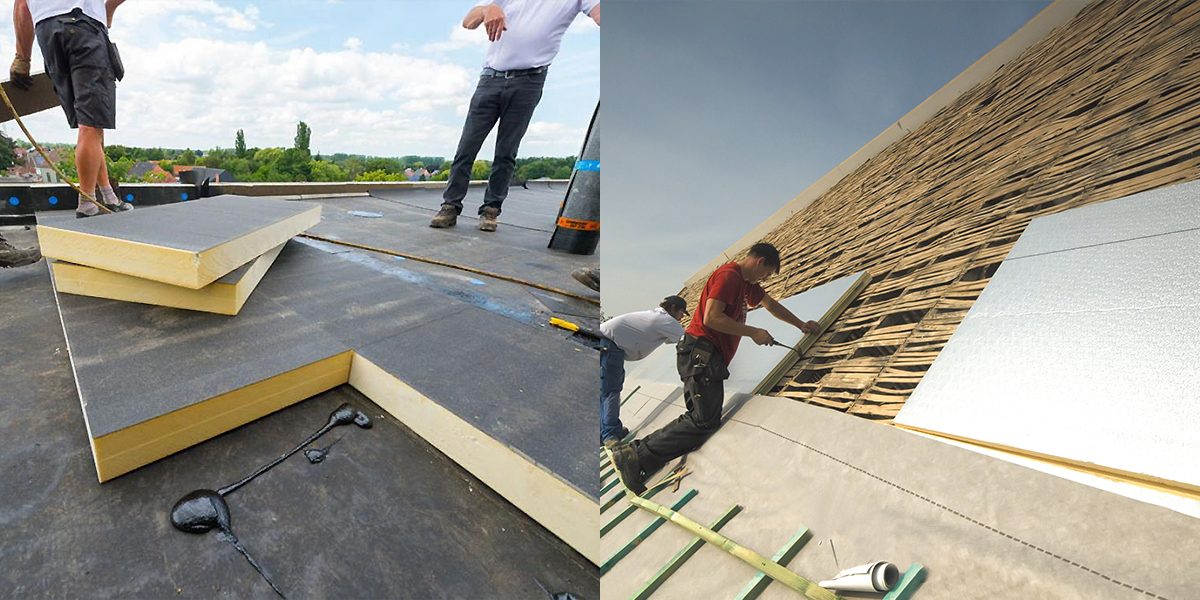
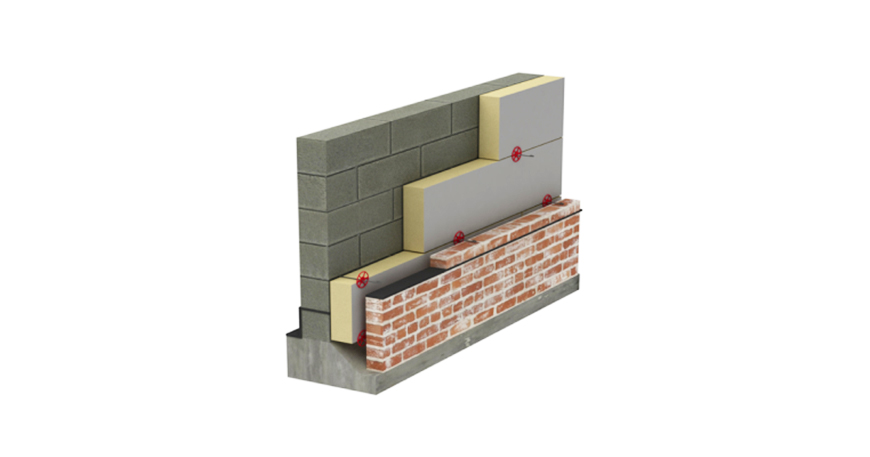
PIR boards are used in cavity walls, floors, pitched roofs, flat roofs, ceilings, HVAC ducts, and cold storage facilities.
Q2: Is PIR board waterproof?
PIR insulation boards have a closed-cell structure and are often foil-faced, providing excellent moisture resistance. However, they are not 100% waterproof if submerged.
Q3: What thickness of PIR board do I need?
Common thicknesses range from 25mm to 100mm. The choice depends on your building regulations and desired U-value. For walls, 50mm–75mm is typical.
Q4: How is PIR insulation installed?
PIR boards can be installed using mechanical fixings or adhesive (e.g., dot-and-dab method). Tightly sealing joints with foil tape is recommended to avoid thermal bridging.
Tóm lại là:
Mặc dù các tấm cách nhiệt EPS và XPS đóng vai trò là những lựa chọn thay thế hiệu quả cho vật liệu cách nhiệt PIR, nhưng trên thị trường vẫn chưa có giải pháp thay thế phù hợp hoặc phù hợp hơn cho vật liệu cách nhiệt PIR. Khả năng cách nhiệt vượt trội của nó là điều khiến PIR được nhiều người yêu thích và chúng vẫn có nhu cầu lớn trong ngành xây dựng.
Tại GFI Trung Quốc, chúng tôi sản xuất tấm cách nhiệt xốp PIR với bề mặt bằng sợi thủy tinh và lá nhôm, cũng như bề mặt giấy kraft.
Tất cả các bảng PIR này đều được sản xuất theo tiêu chuẩn với chiều rộng 1,2m, chiều dài có thể tùy chỉnh theo yêu cầu của khách hàng. Những tấm cách nhiệt này có mặt bằng giấy bạc và sợi thủy tinh ở hai bên. Chúng có sẵn ở các độ dày khác nhau để phù hợp với bất kỳ loại dự án nào.
Vì tấm cách nhiệt PIR chất lượng thương mại, please visit GFI China. Choose GFI China’s PIR insulation boards for superior energy efficiency and a sustainable future. Contact us now!
LIÊN HỆ
Hãy để lại lời nhắn và nhóm của chúng tôi sẽ liên hệ lại với bạn sớm nhất.