
 Chinese
  Arabic
  English
  French
  German
  Portuguese
  Russian
  Spanish
  Thai
Thai  Vietnamese

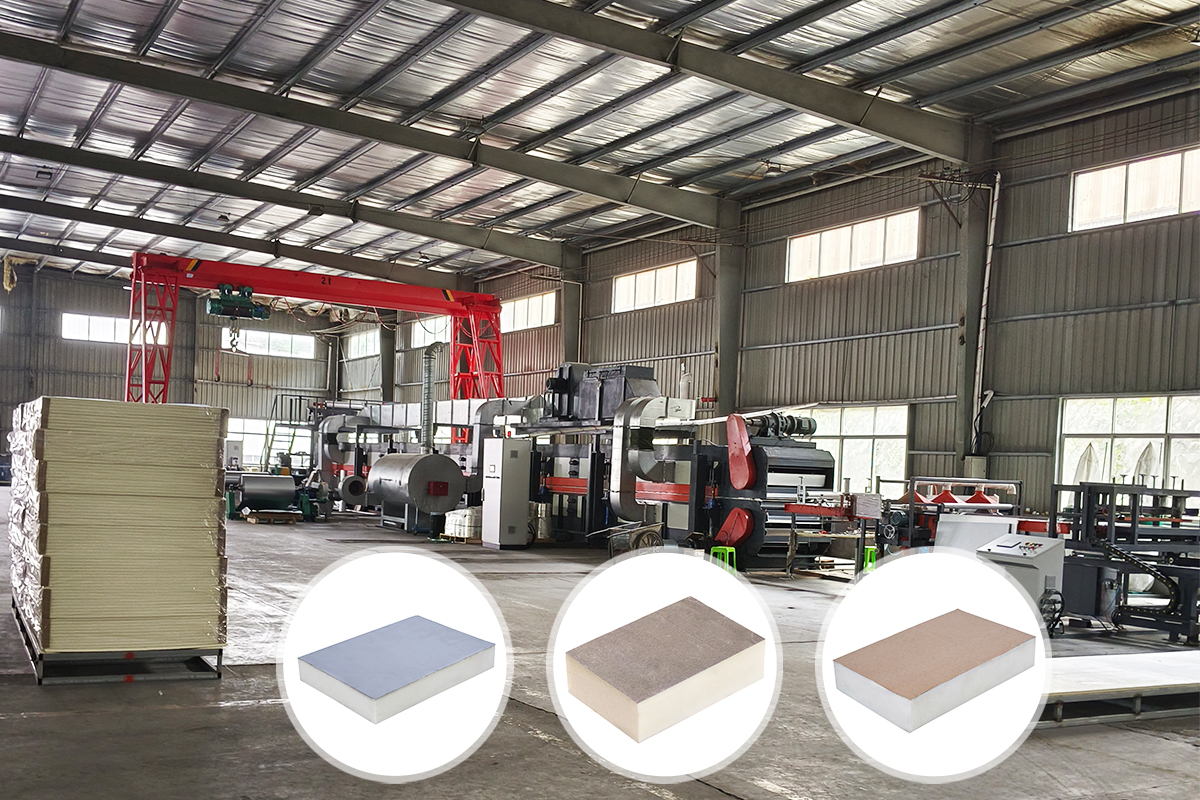
Are you looking for a thermal insulation material that offers superior energy savings, moisture resistance, and space efficiency? PIR foam insulation boards are one of the most efficient and versatile insulation materials available today. In this guide, discover why PIR boards outperform alternatives like EPS and XPS, their key benefits, and step-by-step installation tips for your next project.
What is PIR insulation?
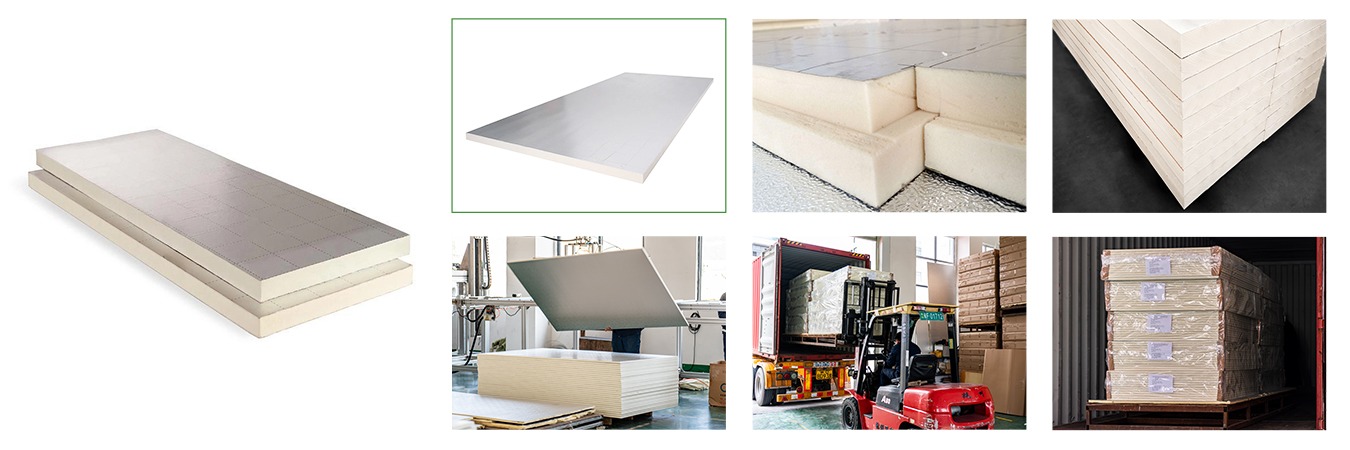
PIR insulation boards are one of the most efficient thermal insulation materials available today. PIR boards are commonly faced with aluminum foil, fiberglass mesh, or kraft paper, which enhances their mechanical and thermal performance. PIR insulation forms a closed-cell structure, Known for their low thermal conductivity and excellent moisture resistance, PIR boards are widely used in walls, floors, roofs, and HVAC ductwork.
In this guide, you’ll explore their key benefits, real-world applications, and how to install them efficiently. Whether you’re a builder, contractor, or project planner, understanding PIR insulation is essential for energy-efficient building solutions.
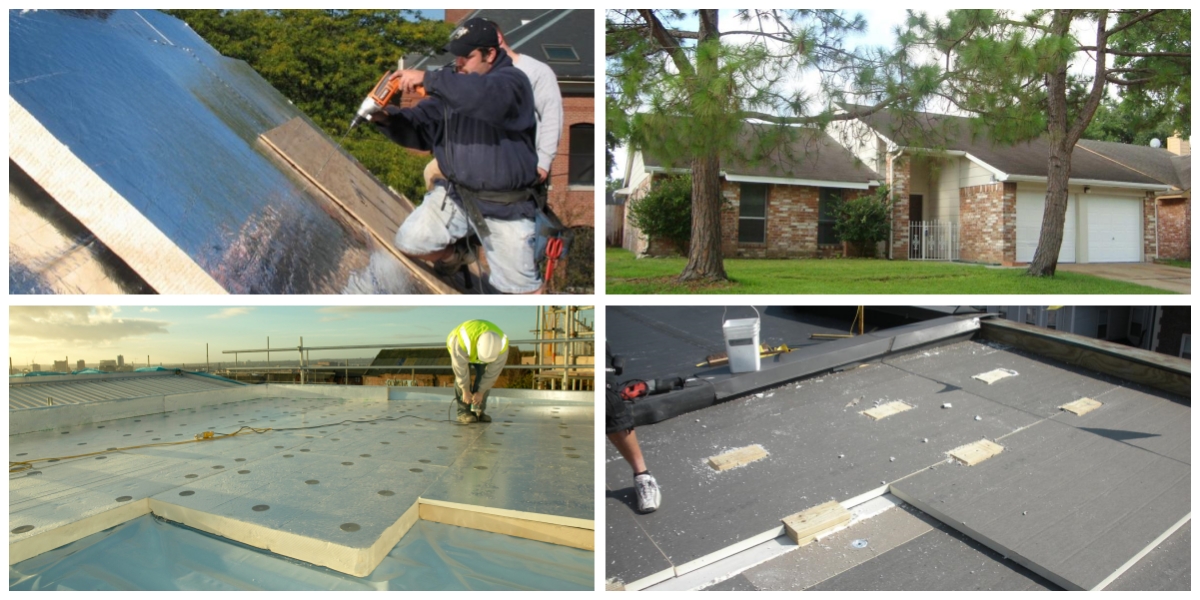
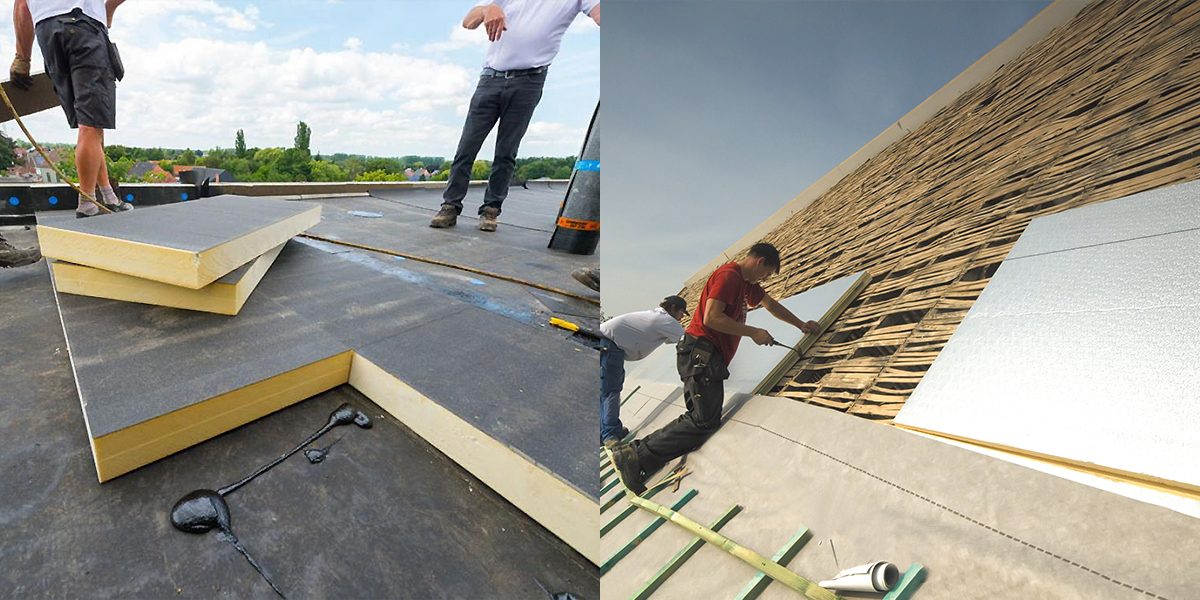
Key Advantages of PIR Insulation Boards
- High Energy Efficiency: Low thermal conductivity (~0.022 W/m·K) helps reduce heating and cooling costs by up to 30%.
- Moisture Resistance: Closed-cell structure combined with foil facings acts as a vapor barrier, protecting the insulation and structure.
- Space Saving: Achieves superior insulation at thinner thickness compared to mineral wool, ideal for tight spaces.
- 耐用性: Resistant to sagging and moisture damage, ensuring long-term performance.
- Seasonal Comfort: Keeps interiors warm in winter and cool in summer by reflecting heat away.

如何安装 PIR 板?
可以使用点涂法安装 PIR 隔热层。以下是分步指南:
标记墙: Mark the ceiling and floor where the PIR boards will be installed. The markings should account for the board’s thickness plus 10mm. For example, if the board is 50mm thick, make the markings at 60mm. Also, mark the center of the board on the wall and place horizontal markings every 1200mm to identify the board’s margins.
切割木板: 使用手锯将木板切割成合适的尺寸。确保木板比墙高短 15 毫米。
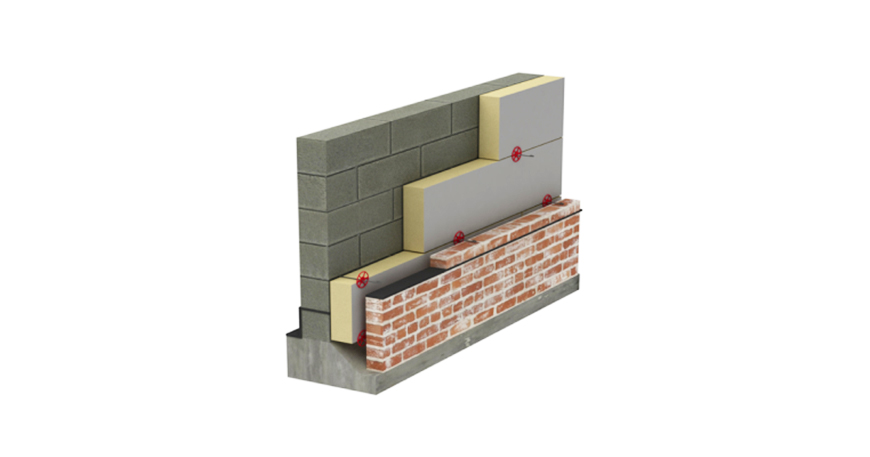
准备粘合剂: Mix the plasterboard adhesive, according to the manufacturer’s instructions. Apply a continuous strip of adhesive to the edges of the ceiling, wall, and any openings like windows and doors.
涂抹粘合剂: 将粘合剂以 50-75 毫米的间隔轻拍在墙上,每条长 250 毫米。每块 PIR 板需要三排垂直粘合剂,一排在中间,两边各两排,距离边缘至少 25 毫米。
安装板: 将 PIR 板背面压在粘合剂上,同时用石膏板垫块支撑它们。将板与天花板和地板标记对齐,然后将其敲入到位。
固定电路板: 使用板升降器将 PIR 板紧贴天花板。使用石膏板封堵器将板固定到位后,移除升降器。
密封接头: 为了防止热桥,将所有板紧密贴合在一起,并用箔胶带固定边缘。
安装技术可能因绝缘材料的位置和具体用途而异。
FAQs About PIR Insulation Boards
Q1: What is PIR insulation used for?
PIR boards are used in cavity walls, floors, pitched roofs, flat roofs, ceilings, HVAC ducts, and cold storage facilities.
Q2: Is PIR board waterproof?
PIR insulation boards have a closed-cell structure and are often foil-faced, providing excellent moisture resistance. However, they are not 100% waterproof if submerged.
Q3: What thickness of PIR board do I need?
Common thicknesses range from 25mm to 100mm. The choice depends on your building regulations and desired U-value. For walls, 50mm–75mm is typical.
Q4: How is PIR insulation installed?
PIR boards can be installed using mechanical fixings or adhesive (e.g., dot-and-dab method). Tightly sealing joints with foil tape is recommended to avoid thermal bridging.
综上所述:
尽管 EPS 和 XPS 保温板是 PIR 保温材料的有效替代品,但目前市场上还没有合适或更适合的 PIR 保温材料替代品。PIR 保温材料卓越的隔热性能是其广受大众喜爱的原因,在建筑行业中仍然需求旺盛。
在 GFI 中国,我们生产具有玻璃纤维和铝箔表面以及牛皮纸表面的 PIR 泡沫隔热板。
所有这些 PIR 板的标准宽度均为 1.2 米,长度可根据客户要求定制。这些绝缘板的两面都有箔和玻璃纤维饰面。它们有各种厚度可供选择,以适应任何项目类型。
为了 商业品质 PIR 隔热板, please visit GFI China. Choose GFI China’s PIR insulation boards for superior energy efficiency and a sustainable future. Contact us now!
联系我们
请给我们留言,我们的团队会尽快回复您。.