
 English
  Arabic
  Chinese
  French
  German
  Portuguese
  Russian
  Spanish
  Thai
Thai  Vietnamese

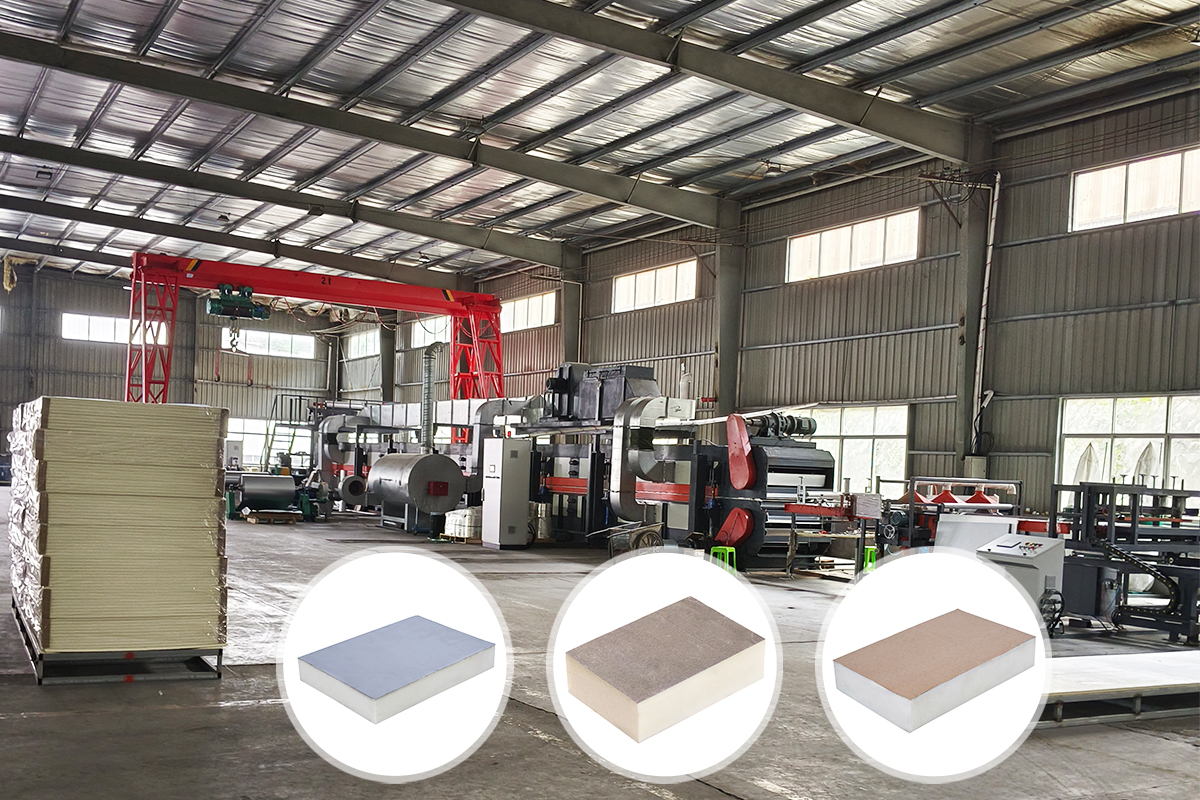
Are you looking for a thermal insulation material that offers superior energy savings, moisture resistance, and space efficiency? PIR foam insulation boards are one of the most efficient and versatile insulation materials available today. In this guide, discover why PIR boards outperform alternatives like EPS and XPS, their key benefits, and step-by-step installation tips for your next project.
What is PIR insulation?
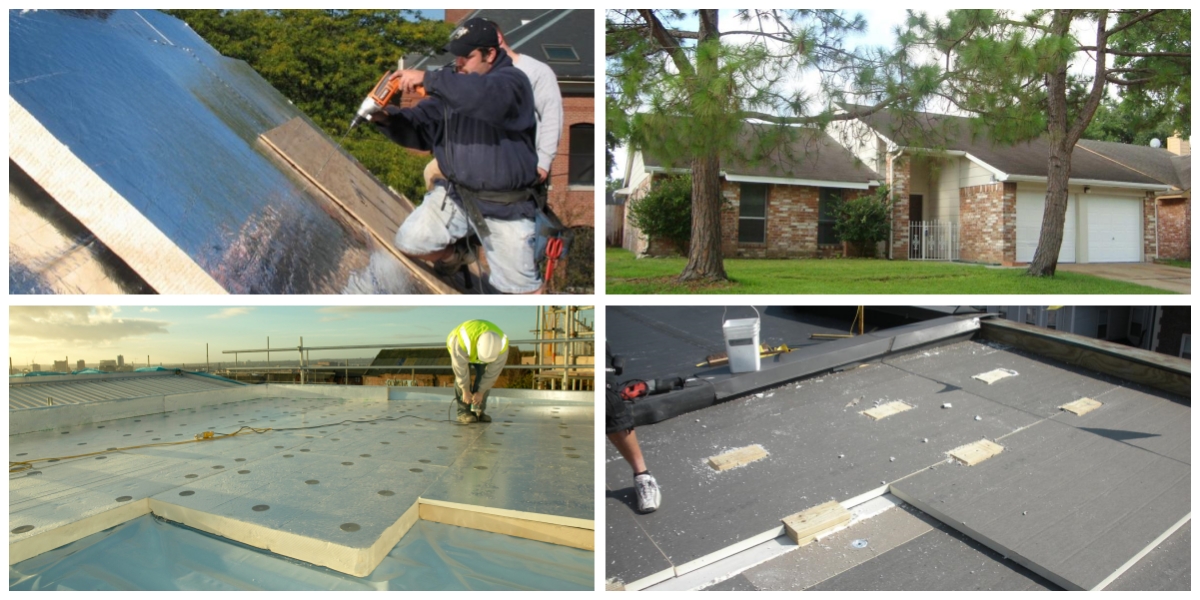
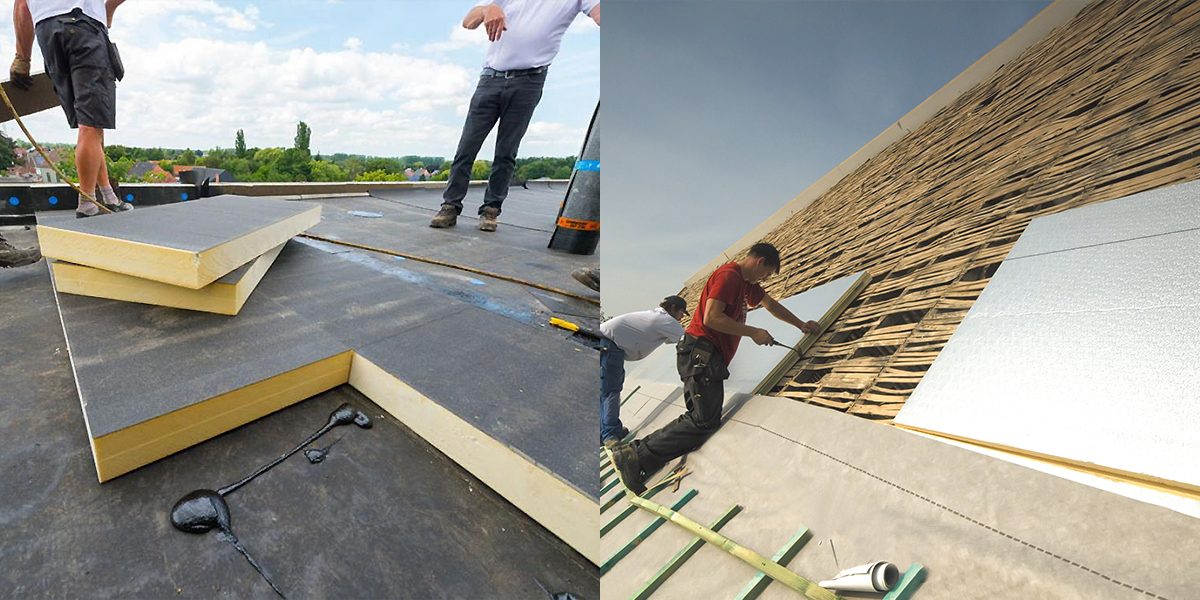
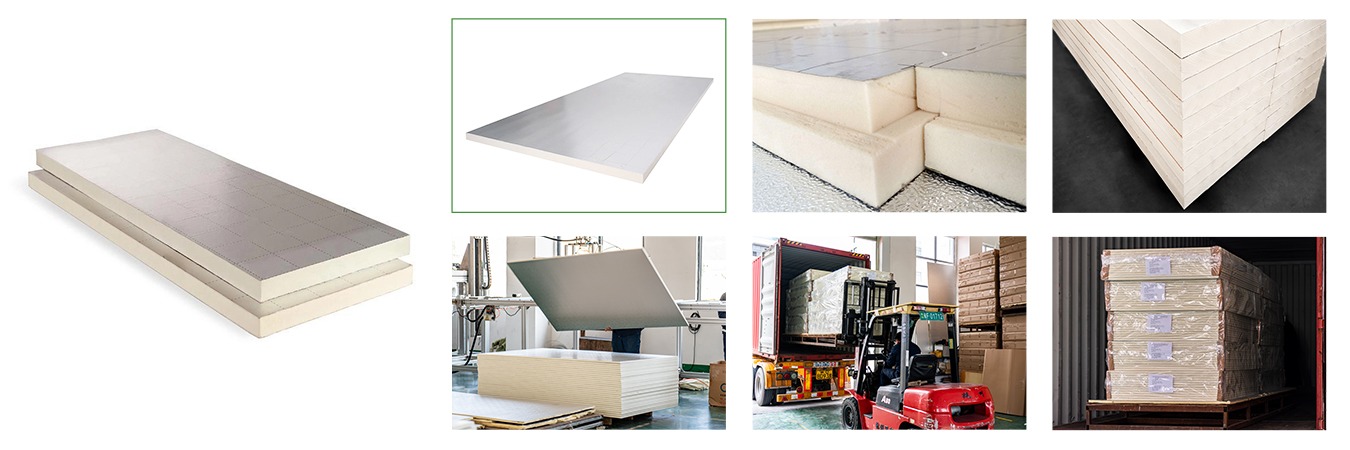
PIR insulation boards are one of the most efficient thermal insulation materials available today. PIR boards are commonly faced with aluminum foil, fiberglass mesh, or kraft paper, which enhances their mechanical and thermal performance. PIR insulation forms a closed-cell structure, Known for their low thermal conductivity and excellent moisture resistance, PIR boards are widely used in walls, floors, roofs, and HVAC ductwork.
In this guide, you’ll explore their key benefits, real-world applications, and how to install them efficiently. Whether you’re a builder, contractor, or project planner, understanding PIR insulation is essential for energy-efficient building solutions.
Key Advantages of PIR Insulation Boards
- High Energy Efficiency: Low thermal conductivity (~0.022 W/m·K) helps reduce heating and cooling costs by up to 30%.
- Moisture Resistance: Closed-cell structure combined with foil facings acts as a vapor barrier, protecting the insulation and structure.
- Space Saving: Achieves superior insulation at thinner thickness compared to mineral wool, ideal for tight spaces.
- Durability: Resistant to sagging and moisture damage, ensuring long-term performance.
- Seasonal Comfort: Keeps interiors warm in winter and cool in summer by reflecting heat away.

How To install PIR Boards?
PIR insulation can be installed using the Dot-and-Dab technique. Here’s a step-by-step guide:
Mark the Wall: Mark the ceiling and floor where the PIR boards will be installed. The markings should account for the board’s thickness plus 10mm. For example, if the board is 50mm thick, make the markings at 60mm. Also, mark the center of the board on the wall and place horizontal markings every 1200mm to identify the board’s margins.
Cut the Boards: Cut the boards to the appropriate size using a hand saw. Ensure the boards are 15mm shorter than the wall height.
Prepare the Adhesive: Mix the plasterboard adhesive, according to the manufacturer’s instructions. Apply a continuous strip of adhesive to the edges of the ceiling, wall, and any openings like windows and doors.
Apply the Adhesive: Dab the adhesive onto the wall at 50-75mm intervals and 250mm-long strips. Each PIR board needs three vertical rows of adhesive, one in the middle and two on either side, at least 25mm from the edge.
Install the Boards: Press the back of the PIR boards against the dabs of adhesive while supporting them with plasterboard packers. Align the boards with the ceiling and floor markers, then tap them into place.
Secure the Boards: Use a board lifter to raise the PIR board tight to the ceiling. Remove the lifter once the board is fixed in place with plasterboard packers.
Seal the Joints: To prevent thermal bridging, tightly fit all boards together and secure the margins with foil tape.
The installation technique may vary depending on the location and specific use of the insulation.
FAQs About PIR Insulation Boards
Q1: What is PIR insulation used for?
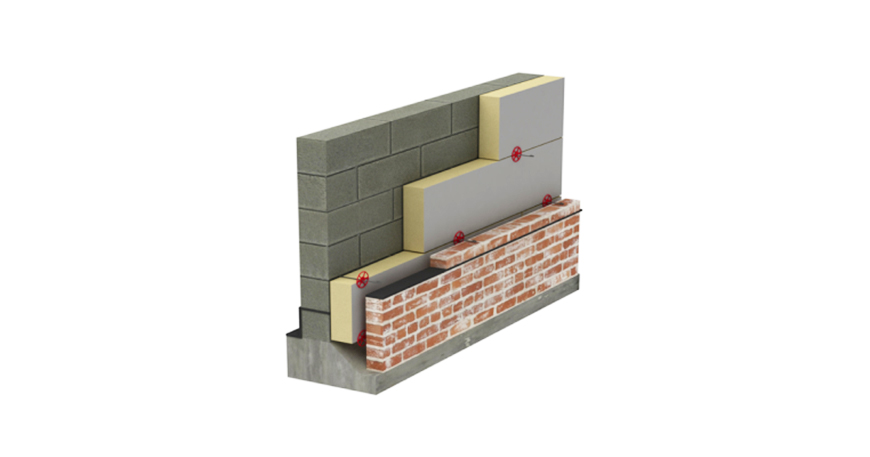
PIR boards are used in cavity walls, floors, pitched roofs, flat roofs, ceilings, HVAC ducts, and cold storage facilities.
Q2: Is PIR board waterproof?
PIR insulation boards have a closed-cell structure and are often foil-faced, providing excellent moisture resistance. However, they are not 100% waterproof if submerged.
Q3: What thickness of PIR board do I need?
Common thicknesses range from 25mm to 100mm. The choice depends on your building regulations and desired U-value. For walls, 50mm–75mm is typical.
Q4: How is PIR insulation installed?
PIR boards can be installed using mechanical fixings or adhesive (e.g., dot-and-dab method). Tightly sealing joints with foil tape is recommended to avoid thermal bridging.
In Conclusion:
Though EPS and XPS insulation boards act as effective alternatives to PIR insulation, there is no proper or more suitable alternative to PIR insulation in the market as yet. Its superior thermal insulation is what makes PIR a crowd favorite, and they are still in great demand in the construction industry.
At GFI China, we produce PIR foam insulation board with fiberglass and aluminum foil surface, as well as kraft paper surface.
All of these PIR boards are made in standard with 1.2m wide, the length can be customized by customer requirements. These insulation boards have foil and fiberglass facings on either side. They are available in varying thicknesses to help suit any project type.
For trade-quality PIR insulation boards, please visit GFI China. Choose GFI China’s PIR insulation boards for superior energy efficiency and a sustainable future. Contact us now!
CONTACT US
Leave us a message and our team will get back to you soon.