
 Thai
Thai  Arabic
  Chinese
  English
  French
  German
  Portuguese
  Russian
  Spanish
  Vietnamese

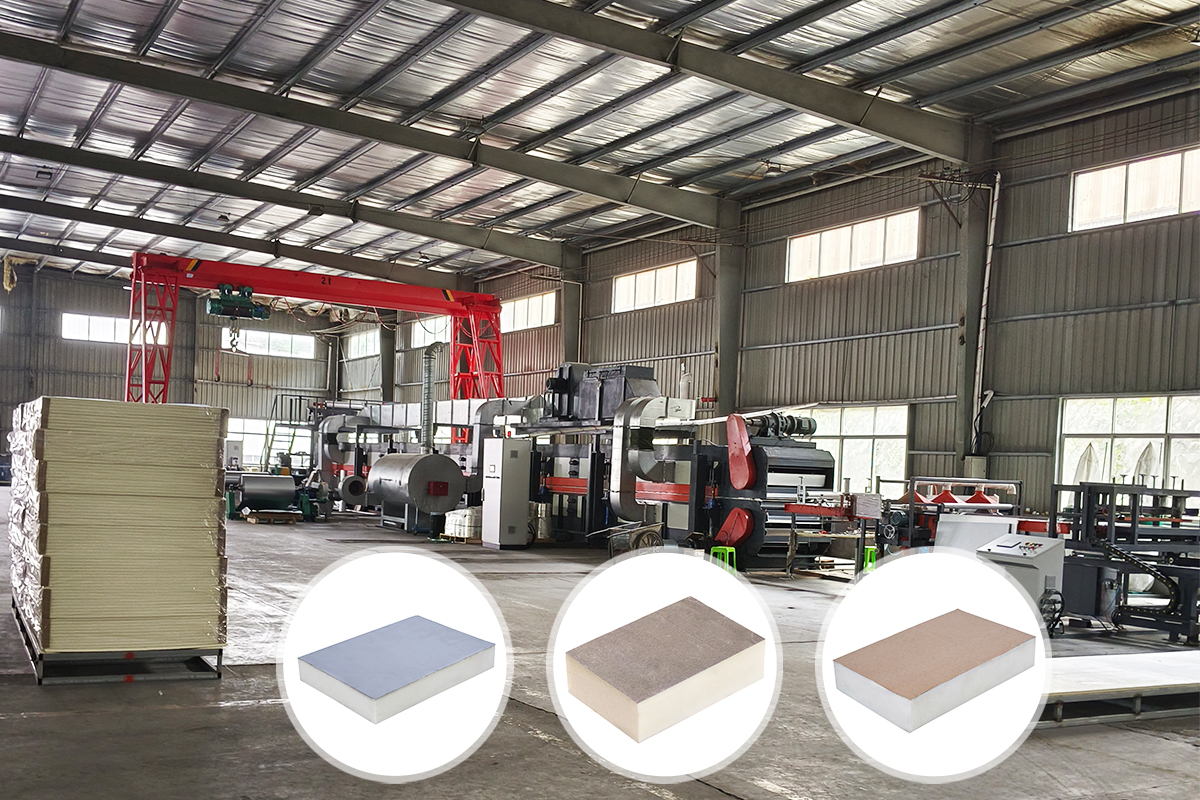
Are you looking for a thermal insulation material that offers superior energy savings, moisture resistance, and space efficiency? PIR foam insulation boards are one of the most efficient and versatile insulation materials available today. In this guide, discover why PIR boards outperform alternatives like EPS and XPS, their key benefits, and step-by-step installation tips for your next project.
What is PIR insulation?
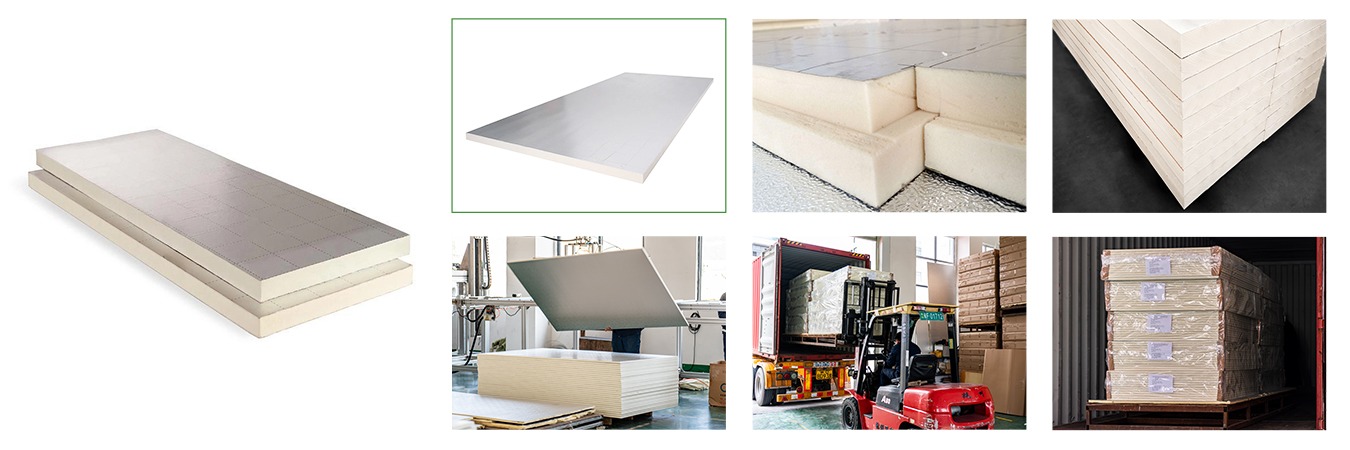
PIR insulation boards are one of the most efficient thermal insulation materials available today. PIR boards are commonly faced with aluminum foil, fiberglass mesh, or kraft paper, which enhances their mechanical and thermal performance. PIR insulation forms a closed-cell structure, Known for their low thermal conductivity and excellent moisture resistance, PIR boards are widely used in walls, floors, roofs, and HVAC ductwork.
In this guide, you’ll explore their key benefits, real-world applications, and how to install them efficiently. Whether you’re a builder, contractor, or project planner, understanding PIR insulation is essential for energy-efficient building solutions.
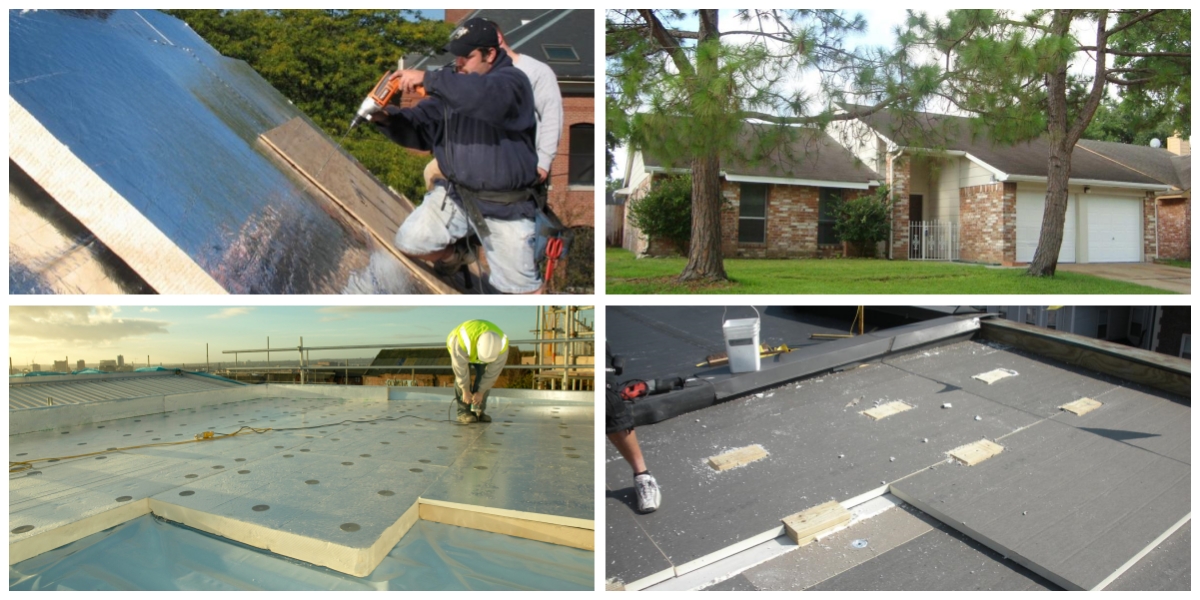
Key Advantages of PIR Insulation Boards
- High Energy Efficiency: Low thermal conductivity (~0.022 W/m·K) helps reduce heating and cooling costs by up to 30%.
- Moisture Resistance: Closed-cell structure combined with foil facings acts as a vapor barrier, protecting the insulation and structure.
- Space Saving: Achieves superior insulation at thinner thickness compared to mineral wool, ideal for tight spaces.
- ความทนทาน: Resistant to sagging and moisture damage, ensuring long-term performance.
- Seasonal Comfort: Keeps interiors warm in winter and cool in summer by reflecting heat away.

จะติดตั้งบอร์ด PIR ได้อย่างไร?
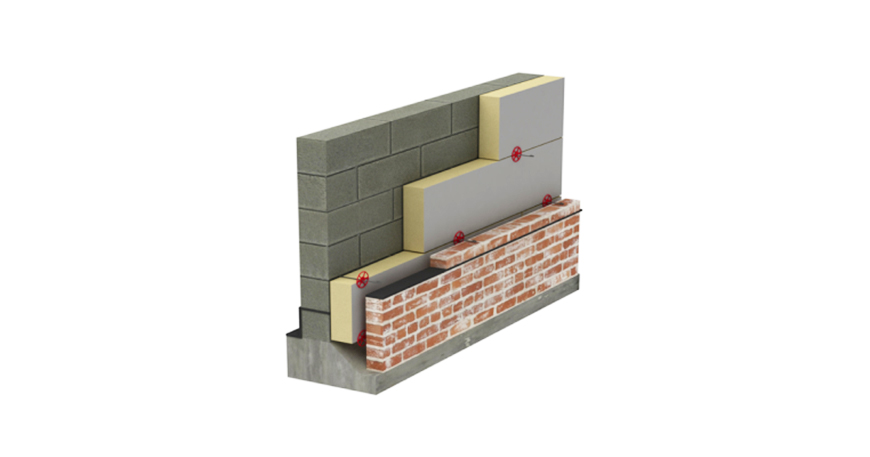
ฉนวน PIR สามารถติดตั้งได้โดยใช้เทคนิค Dot-and-Dab คำแนะนำทีละขั้นตอนมีดังนี้
ทำเครื่องหมายกำแพง: Mark the ceiling and floor where the PIR boards will be installed. The markings should account for the board’s thickness plus 10mm. For example, if the board is 50mm thick, make the markings at 60mm. Also, mark the center of the board on the wall and place horizontal markings every 1200mm to identify the board’s margins.
ตัดบอร์ด: ตัดกระดานให้ได้ขนาดที่เหมาะสมโดยใช้เลื่อยมือ ตรวจสอบให้แน่ใจว่าบอร์ดสั้นกว่าความสูงของผนัง 15 มม.
เตรียมกาว: Mix the plasterboard adhesive, according to the manufacturer’s instructions. Apply a continuous strip of adhesive to the edges of the ceiling, wall, and any openings like windows and doors.
ใช้กาว: แตะกาวบนผนังเป็นระยะ 50-75 มม. และแถบยาว 250 มม. บอร์ด PIR แต่ละบอร์ดต้องใช้กาวแนวตั้งสามแถว โดยแถวตรงกลางหนึ่งแถวและอีกสองแถวที่ด้านใดด้านหนึ่ง ห่างจากขอบอย่างน้อย 25 มม.
ติดตั้งบอร์ด: กดด้านหลังของบอร์ด PIR เข้ากับจุดที่มีกาวในขณะที่รองรับด้วยแพ็คเกอร์บอร์ดยิปซั่ม จัดแนวกระดานให้ตรงกับเครื่องหมายเพดานและพื้น จากนั้นแตะให้เข้าที่
รักษาความปลอดภัยบอร์ด: ใช้ตัวยกบอร์ดเพื่อยกบอร์ด PIR ขึ้นกับเพดานให้แน่น ถอดตัวยกออกเมื่อยึดบอร์ดเข้าที่แล้วด้วยแผ่นแพ็คเกอร์บอร์ดยิปซั่ม
ปิดผนึกข้อต่อ: เพื่อป้องกันการบริดจ์ความร้อน ให้ติดบอร์ดทั้งหมดเข้าด้วยกันให้แน่นและยึดขอบด้วยเทปฟอยล์
เทคนิคการติดตั้งอาจแตกต่างกันไปขึ้นอยู่กับตำแหน่งและการใช้งานฉนวนเฉพาะ
FAQs About PIR Insulation Boards
Q1: What is PIR insulation used for?
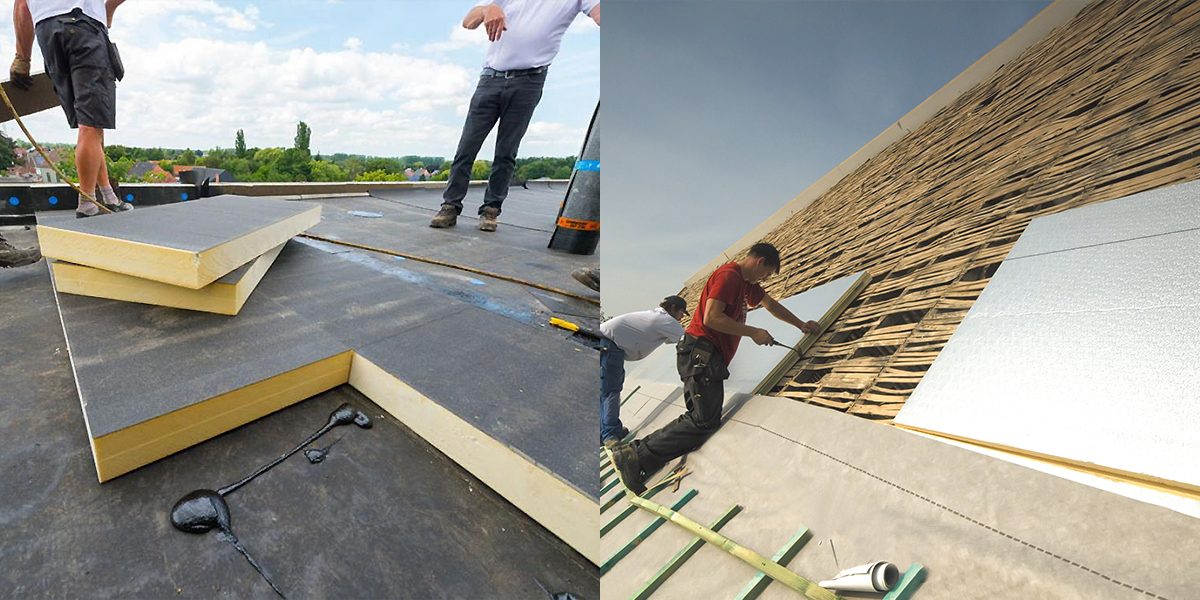
PIR boards are used in cavity walls, floors, pitched roofs, flat roofs, ceilings, HVAC ducts, and cold storage facilities.
Q2: Is PIR board waterproof?
PIR insulation boards have a closed-cell structure and are often foil-faced, providing excellent moisture resistance. However, they are not 100% waterproof if submerged.
Q3: What thickness of PIR board do I need?
Common thicknesses range from 25mm to 100mm. The choice depends on your building regulations and desired U-value. For walls, 50mm–75mm is typical.
Q4: How is PIR insulation installed?
PIR boards can be installed using mechanical fixings or adhesive (e.g., dot-and-dab method). Tightly sealing joints with foil tape is recommended to avoid thermal bridging.
สรุปแล้ว:
แม้ว่าแผงฉนวน EPS และ XPS จะทำหน้าที่เป็นทางเลือกที่มีประสิทธิภาพแทนฉนวน PIR แต่ก็ยังไม่มีทางเลือกที่เหมาะสมหรือเหมาะสมกว่าฉนวน PIR ในตลาดในขณะนี้ ฉนวนกันความร้อนที่เหนือกว่าคือสิ่งที่ทำให้ PIR ได้รับความนิยมอย่างมาก และยังคงเป็นที่ต้องการอย่างมากในอุตสาหกรรมการก่อสร้าง
ที่ GFI China เราผลิตแผ่นฉนวนโฟม PIR ที่มีพื้นผิวไฟเบอร์กลาสและอลูมิเนียมฟอยล์ รวมถึงพื้นผิวกระดาษคราฟท์
บอร์ด PIR ทั้งหมดนี้ผลิตตามมาตรฐานกว้าง 1.2 ม. ความยาวสามารถปรับแต่งได้ตามความต้องการของลูกค้า แผงฉนวนเหล่านี้มีแผ่นฟอยล์และไฟเบอร์กลาสทั้งสองด้าน มีให้เลือกหลายความหนาเพื่อช่วยให้เหมาะกับโครงการทุกประเภท
สำหรับ แผ่นฉนวน PIR คุณภาพการค้า, please visit GFI China. Choose GFI China’s PIR insulation boards for superior energy efficiency and a sustainable future. Contact us now!
ติดต่อเรา
กรุณาฝากข้อความไว้ ทีมงานของเราจะติดต่อกลับโดยเร็วที่สุด.