
 German
  Arabic
  Chinese
  English
  French
  Portuguese
  Russian
  Spanish
  Thai
Thai  Vietnamese

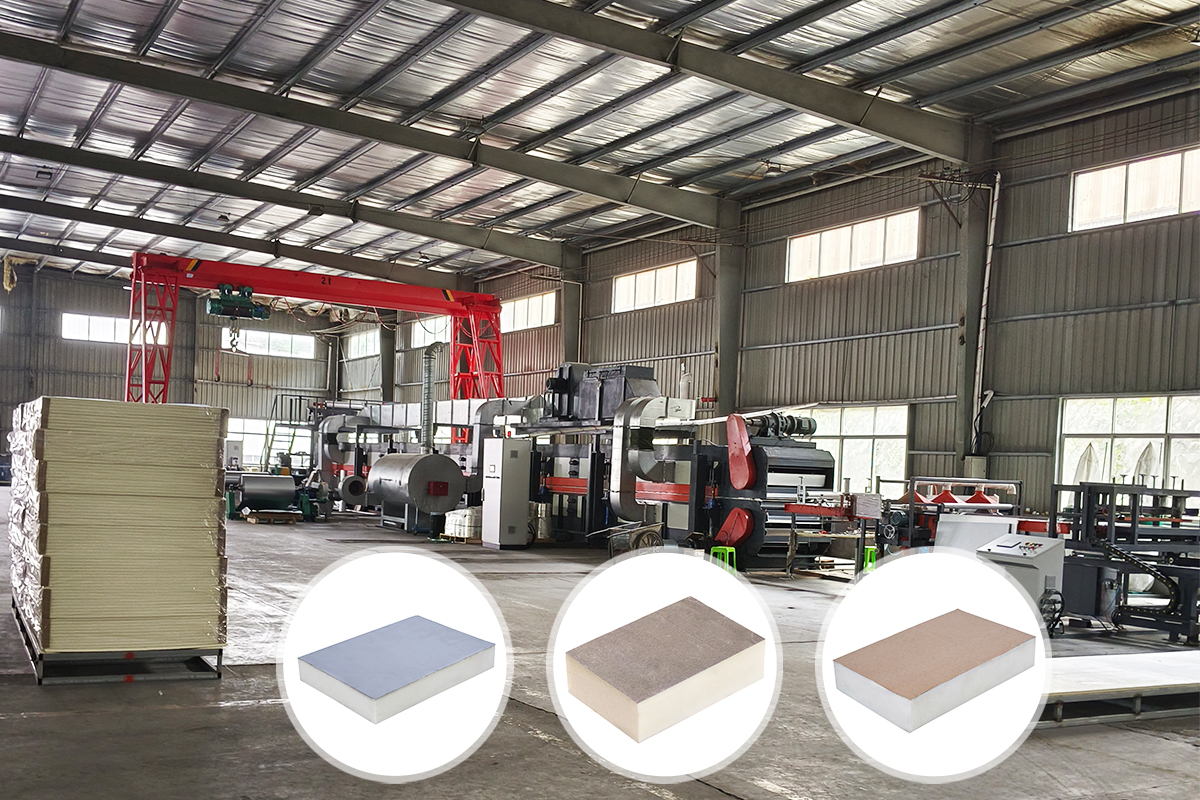
Are you looking for a thermal insulation material that offers superior energy savings, moisture resistance, and space efficiency? PIR foam insulation boards are one of the most efficient and versatile insulation materials available today. In this guide, discover why PIR boards outperform alternatives like EPS and XPS, their key benefits, and step-by-step installation tips for your next project.
What is PIR insulation?
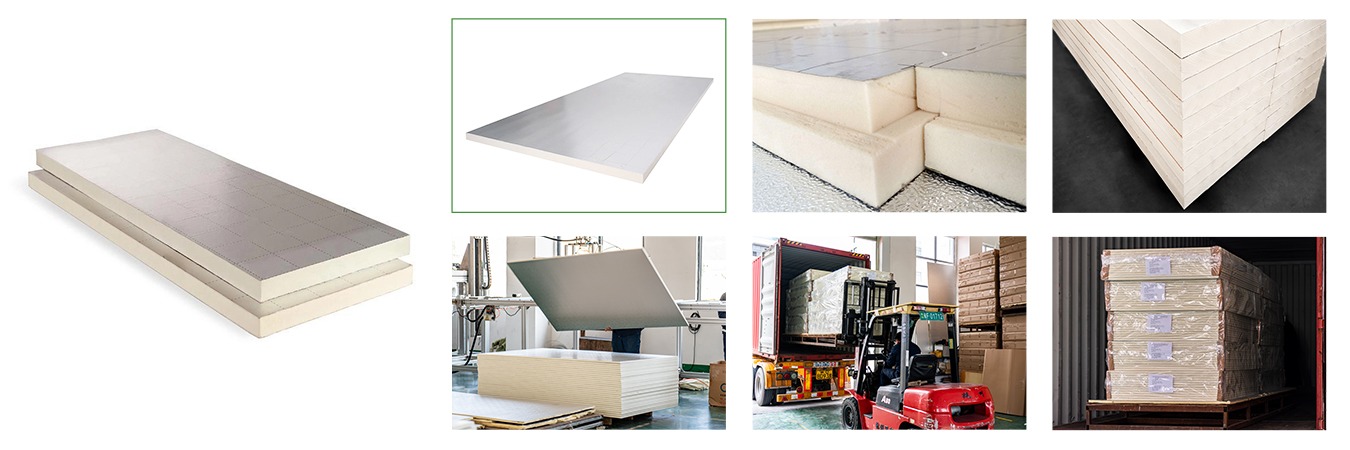
PIR insulation boards are one of the most efficient thermal insulation materials available today. PIR boards are commonly faced with aluminum foil, fiberglass mesh, or kraft paper, which enhances their mechanical and thermal performance. PIR insulation forms a closed-cell structure, Known for their low thermal conductivity and excellent moisture resistance, PIR boards are widely used in walls, floors, roofs, and HVAC ductwork.
In this guide, you’ll explore their key benefits, real-world applications, and how to install them efficiently. Whether you’re a builder, contractor, or project planner, understanding PIR insulation is essential for energy-efficient building solutions.
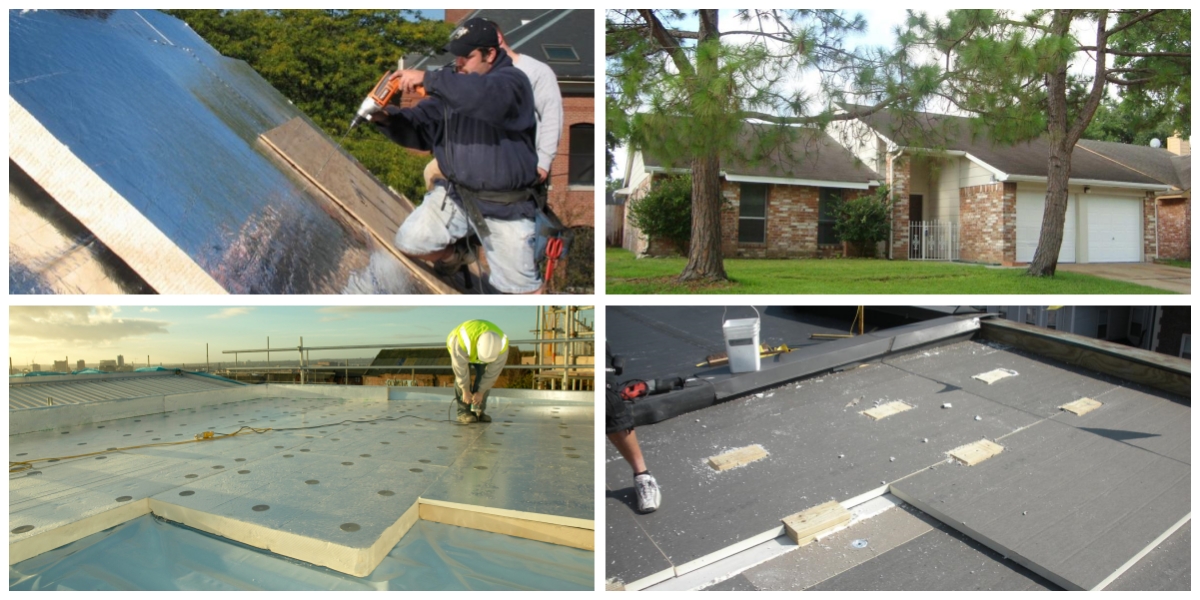
Key Advantages of PIR Insulation Boards
- High Energy Efficiency: Low thermal conductivity (~0.022 W/m·K) helps reduce heating and cooling costs by up to 30%.
- Moisture Resistance: Closed-cell structure combined with foil facings acts as a vapor barrier, protecting the insulation and structure.
- Space Saving: Achieves superior insulation at thinner thickness compared to mineral wool, ideal for tight spaces.
- Haltbarkeit: Resistant to sagging and moisture damage, ensuring long-term performance.
- Seasonal Comfort: Keeps interiors warm in winter and cool in summer by reflecting heat away.

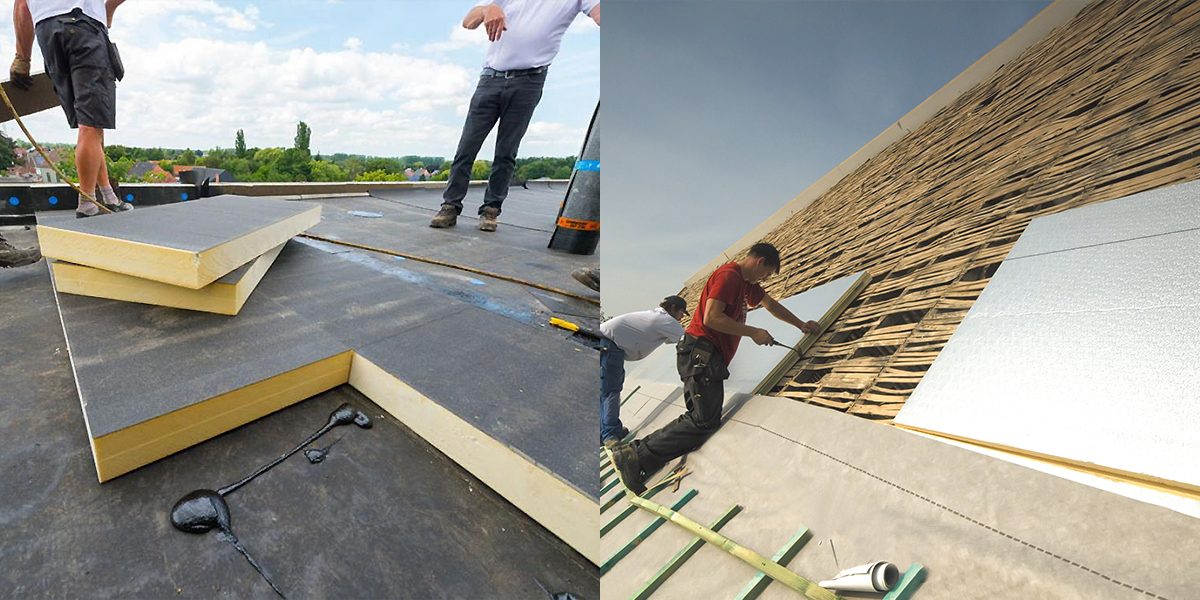
Wie installiere ich PIR-Boards?
PIR-Dämmung kann mit der Punkt-und-Klecks-Technik installiert werden. Hier ist eine Schritt-für-Schritt-Anleitung:
Markiere die Wand: Mark the ceiling and floor where the PIR boards will be installed. The markings should account for the board’s thickness plus 10mm. For example, if the board is 50mm thick, make the markings at 60mm. Also, mark the center of the board on the wall and place horizontal markings every 1200mm to identify the board’s margins.
Schneiden Sie die Bretter: Schneiden Sie die Bretter mit einer Handsäge auf die passende Größe zu. Achten Sie darauf, dass die Bretter 15 mm kürzer sind als die Wandhöhe.
Bereiten Sie den Klebstoff vor: Mix the plasterboard adhesive, according to the manufacturer’s instructions. Apply a continuous strip of adhesive to the edges of the ceiling, wall, and any openings like windows and doors.
Auftragen des Klebstoffs: Tragen Sie den Kleber in Abständen von 50–75 mm und in 250 mm langen Streifen auf die Wand auf. Jede PIR-Platte benötigt drei vertikale Reihen Kleber, eine in der Mitte und zwei auf jeder Seite, mindestens 25 mm vom Rand entfernt.
Installieren Sie die Bretter: Drücken Sie die Rückseite der PIR-Platten gegen die Klebstoffkleckse und stützen Sie sie dabei mit Gipskartonklötzen ab. Richten Sie die Platten an den Decken- und Bodenmarkierungen aus und klopfen Sie sie dann an ihren Platz.
Sichern Sie die Bretter: Heben Sie die PIR-Platte mithilfe eines Plattenhebers dicht an die Decke. Entfernen Sie den Heber, sobald die Platte mit Gipskartonklötzen an ihrem Platz befestigt ist.
Die Fugen abdichten: Um Wärmebrücken zu vermeiden, alle Platten dicht aneinanderfügen und die Ränder mit Folienband fixieren.
Die Installationstechnik kann je nach Standort und spezifischer Verwendung der Isolierung variieren.
FAQs About PIR Insulation Boards
Q1: What is PIR insulation used for?
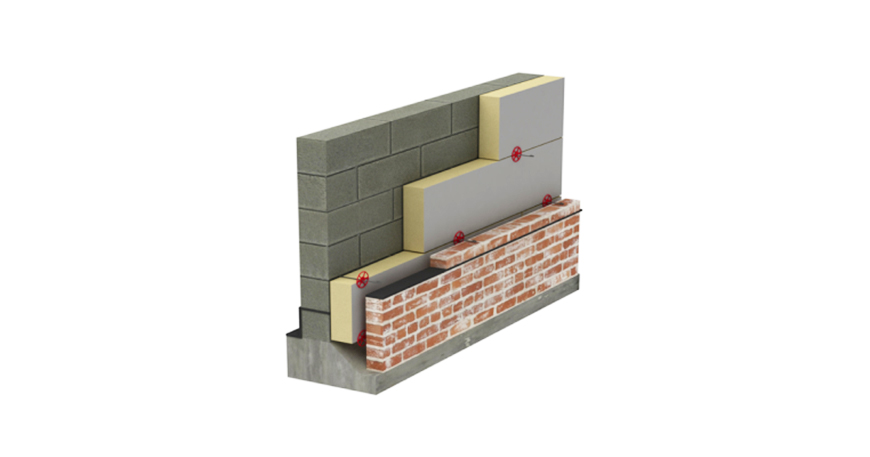
PIR boards are used in cavity walls, floors, pitched roofs, flat roofs, ceilings, HVAC ducts, and cold storage facilities.
Q2: Is PIR board waterproof?
PIR insulation boards have a closed-cell structure and are often foil-faced, providing excellent moisture resistance. However, they are not 100% waterproof if submerged.
Q3: What thickness of PIR board do I need?
Common thicknesses range from 25mm to 100mm. The choice depends on your building regulations and desired U-value. For walls, 50mm–75mm is typical.
Q4: How is PIR insulation installed?
PIR boards can be installed using mechanical fixings or adhesive (e.g., dot-and-dab method). Tightly sealing joints with foil tape is recommended to avoid thermal bridging.
Abschließend:
Obwohl EPS- und XPS-Dämmplatten eine effektive Alternative zur PIR-Dämmung darstellen, gibt es auf dem Markt bisher keine richtige oder geeignetere Alternative zur PIR-Dämmung. Die überlegene Wärmedämmung macht PIR zu einem Publikumsliebling und sie sind in der Bauindustrie nach wie vor sehr gefragt.
Bei GFI China produzieren wir PIR-Schaum-Dämmplatten mit Glasfaser- und Aluminiumfolienoberfläche sowie Kraftpapieroberfläche.
Alle diese PIR-Platten werden standardmäßig mit einer Breite von 1,2 m hergestellt, die Länge kann jedoch nach Kundenwunsch angepasst werden. Diese Dämmplatten sind auf beiden Seiten mit Folien- und Glasfaserbeschichtungen versehen. Sie sind in unterschiedlichen Stärken erhältlich, um für jeden Projekttyp geeignet zu sein.
Für PIR-Dämmplatten in Handelsqualität, please visit GFI China. Choose GFI China’s PIR insulation boards for superior energy efficiency and a sustainable future. Contact us now!
KONTAKT US
Hinterlassen Sie uns eine Nachricht, unser Team meldet sich umgehend bei Ihnen.