
 Spanish
  Arabic
  Chinese
  English
  French
  German
  Portuguese
  Russian
  Thai
Thai  Vietnamese

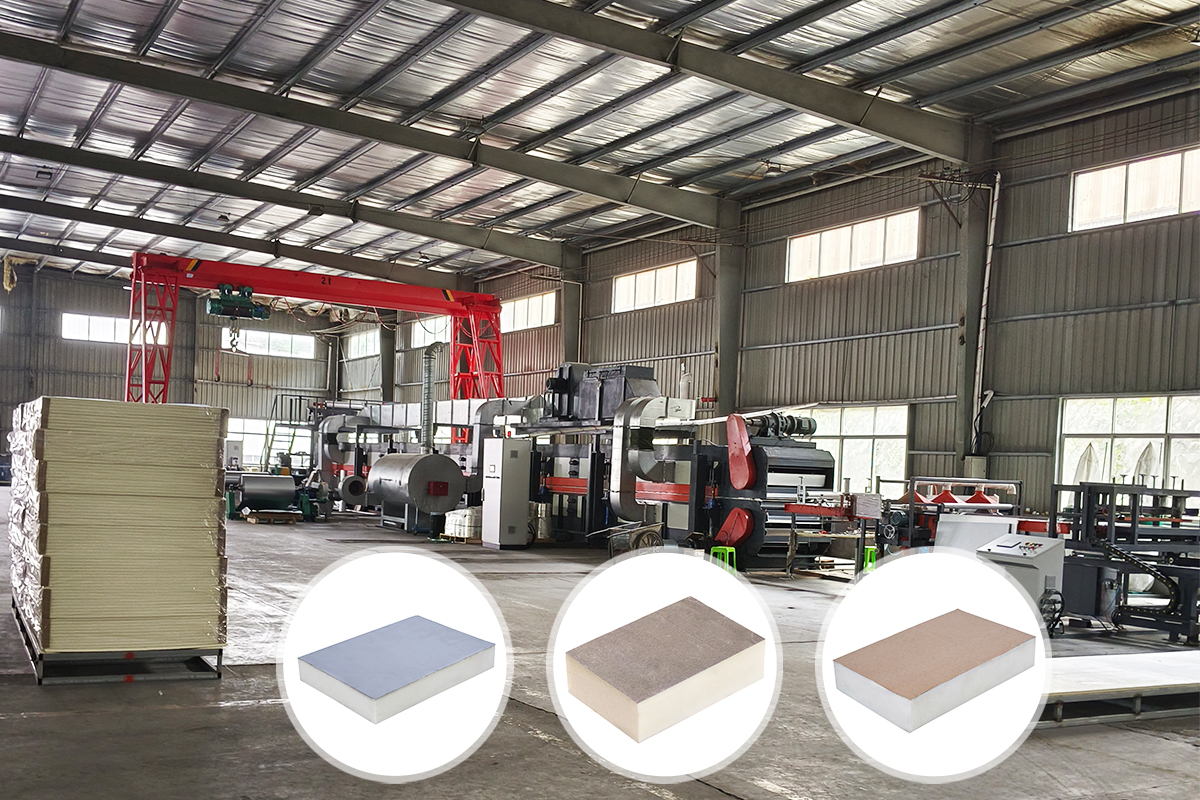
Are you looking for a thermal insulation material that offers superior energy savings, moisture resistance, and space efficiency? PIR foam insulation boards are one of the most efficient and versatile insulation materials available today. In this guide, discover why PIR boards outperform alternatives like EPS and XPS, their key benefits, and step-by-step installation tips for your next project.
What is PIR insulation?
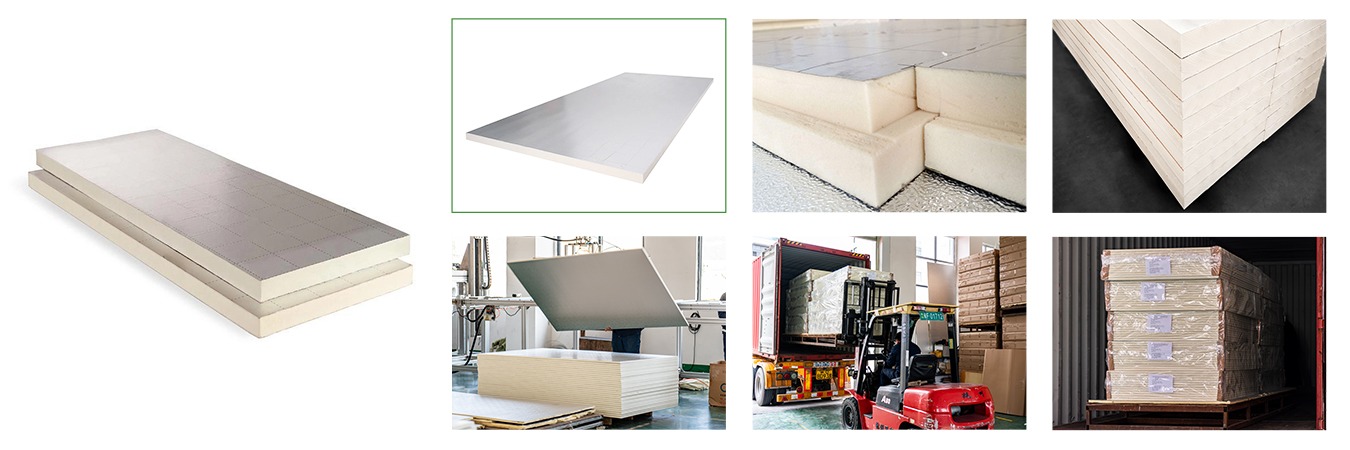
PIR insulation boards are one of the most efficient thermal insulation materials available today. PIR boards are commonly faced with aluminum foil, fiberglass mesh, or kraft paper, which enhances their mechanical and thermal performance. PIR insulation forms a closed-cell structure, Known for their low thermal conductivity and excellent moisture resistance, PIR boards are widely used in walls, floors, roofs, and HVAC ductwork.
In this guide, you’ll explore their key benefits, real-world applications, and how to install them efficiently. Whether you’re a builder, contractor, or project planner, understanding PIR insulation is essential for energy-efficient building solutions.
Key Advantages of PIR Insulation Boards
- High Energy Efficiency: Low thermal conductivity (~0.022 W/m·K) helps reduce heating and cooling costs by up to 30%.
- Resistencia a la humedad: Closed-cell structure combined with foil facings acts as a vapor barrier, protecting the insulation and structure.
- Space Saving: Achieves superior insulation at thinner thickness compared to mineral wool, ideal for tight spaces.
- Durabilidad: Resistant to sagging and moisture damage, ensuring long-term performance.
- Seasonal Comfort: Keeps interiors warm in winter and cool in summer by reflecting heat away.

¿Cómo instalar placas PIR?
El aislamiento PIR se puede instalar mediante la técnica Dot-and-Dab. Aquí hay una guía paso a paso:
Marque la pared: Mark the ceiling and floor where the PIR boards will be installed. The markings should account for the board’s thickness plus 10mm. For example, if the board is 50mm thick, make the markings at 60mm. Also, mark the center of the board on the wall and place horizontal markings every 1200mm to identify the board’s margins.
Cortar las tablas: Corta las tablas al tamaño adecuado con una sierra de mano. Asegúrese de que las tablas sean 15 mm más cortas que la altura de la pared.
Prepare el adhesivo: Mix the plasterboard adhesive, according to the manufacturer’s instructions. Apply a continuous strip of adhesive to the edges of the ceiling, wall, and any openings like windows and doors.
Aplicar el adhesivo: Aplique el adhesivo sobre la pared a intervalos de 50 a 75 mm y en tiras de 250 mm de largo. Cada placa PIR necesita tres filas verticales de adhesivo, una en el medio y dos a cada lado, al menos a 25 mm del borde.
Instale las tablas: Presione la parte posterior de las placas PIR contra las manchas de adhesivo mientras las sostiene con empacadores para placas de yeso. Alinee las tablas con los marcadores de techo y piso, luego golpéelas para colocarlas en su lugar.
Asegure las tablas: Utilice un elevador de placas para elevar la placa PIR hasta el techo. Retire el elevador una vez que la placa esté fijada en su lugar con empacadores para placas de yeso.
Sellar las articulaciones: Para evitar puentes térmicos, ajuste bien todas las tablas y asegure los márgenes con cinta adhesiva.
La técnica de instalación puede variar según la ubicación y el uso específico del aislamiento.
FAQs About PIR Insulation Boards
Q1: What is PIR insulation used for?
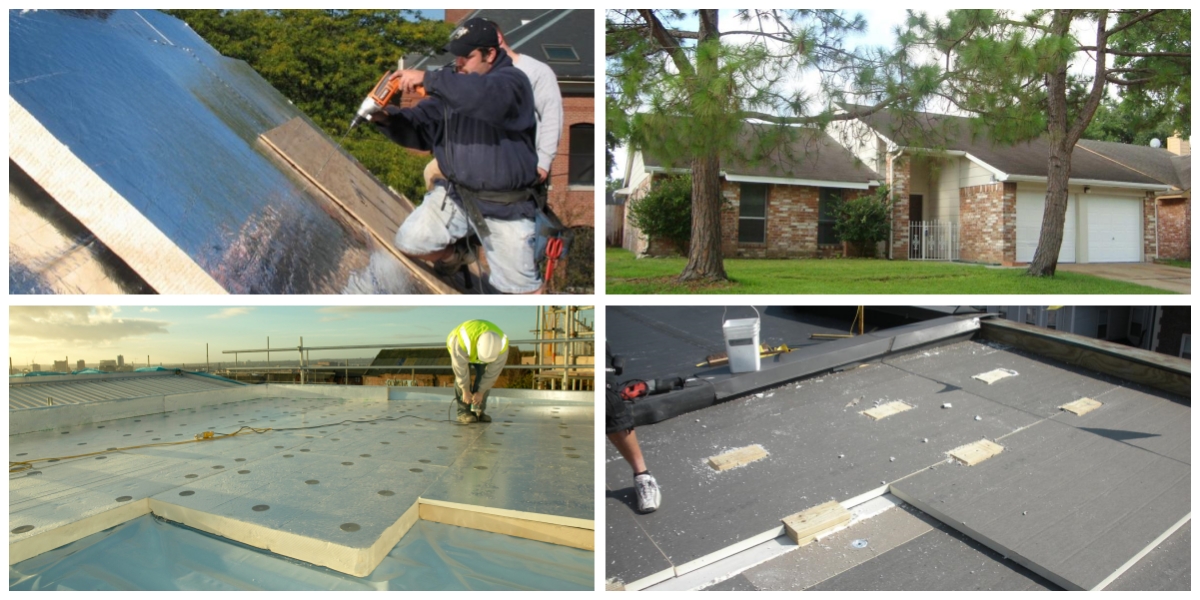
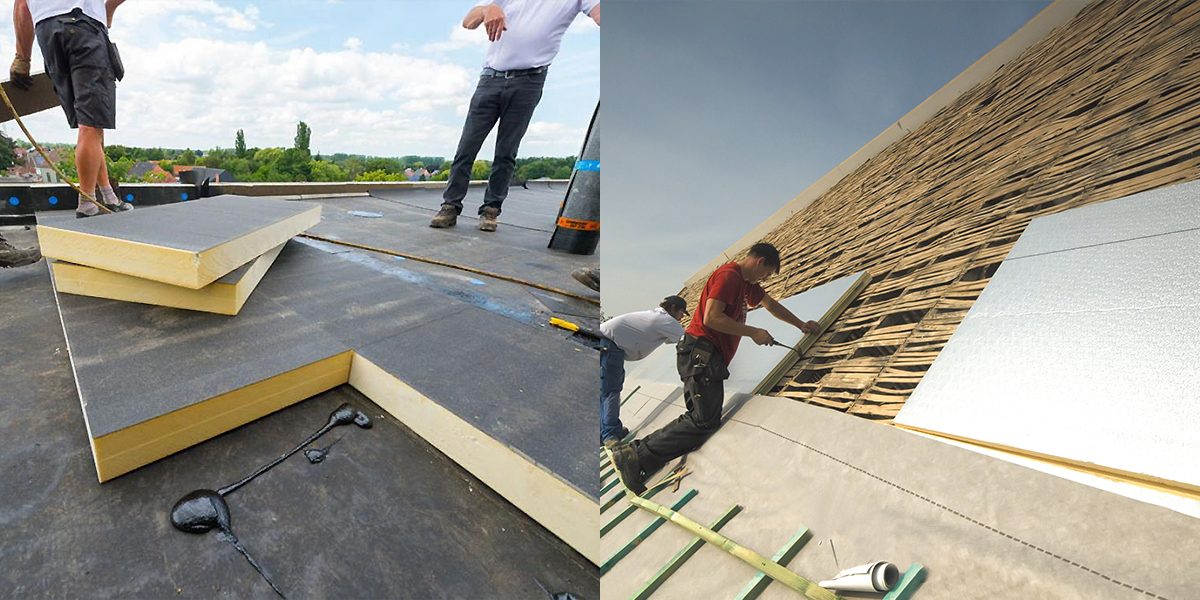
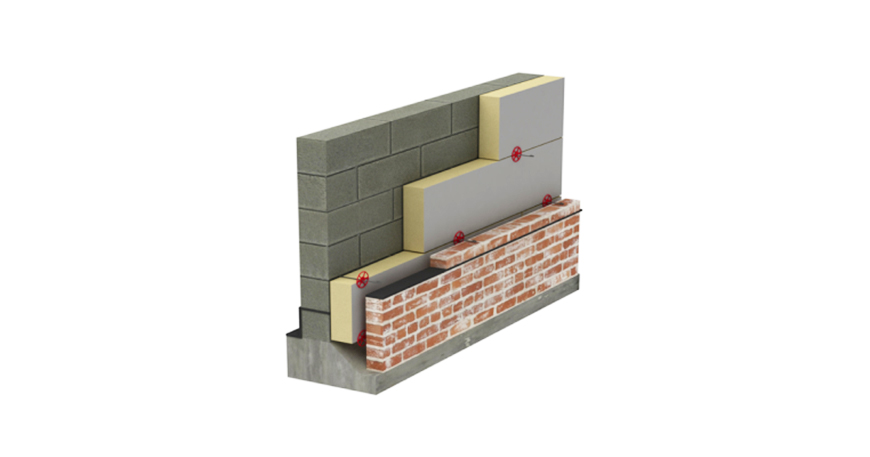
PIR boards are used in cavity walls, floors, pitched roofs, flat roofs, ceilings, HVAC ducts, and cold storage facilities.
Q2: Is PIR board waterproof?
PIR insulation boards have a closed-cell structure and are often foil-faced, providing excellent moisture resistance. However, they are not 100% waterproof if submerged.
Q3: What thickness of PIR board do I need?
Common thicknesses range from 25mm to 100mm. The choice depends on your building regulations and desired U-value. For walls, 50mm–75mm is typical.
Q4: How is PIR insulation installed?
PIR boards can be installed using mechanical fixings or adhesive (e.g., dot-and-dab method). Tightly sealing joints with foil tape is recommended to avoid thermal bridging.
En conclusión:
Aunque los paneles aislantes de EPS y XPS actúan como alternativas eficaces al aislamiento PIR, todavía no existe en el mercado una alternativa adecuada o más adecuada al aislamiento PIR. Su aislamiento térmico superior es lo que hace que los PIR sean los favoritos del público y todavía tienen una gran demanda en la industria de la construcción.
En GFI China, producimos paneles aislantes de espuma PIR con superficie de fibra de vidrio y papel de aluminio, así como también superficie de papel kraft.
Todas estas placas PIR se fabrican de forma estándar con 1,2 m de ancho y la longitud se puede personalizar según los requisitos del cliente. Estos paneles aislantes tienen revestimientos de aluminio y fibra de vidrio en ambos lados. Están disponibles en distintos espesores para adaptarse a cualquier tipo de proyecto.
Para Paneles aislantes PIR de calidad comercial., please visit GFI China. Choose GFI China’s PIR insulation boards for superior energy efficiency and a sustainable future. Contact us now!
CONTACTO
Déjanos un mensaje y nuestro equipo se pondrá en contacto contigo lo antes posible.