
 Portuguese
  Arabic
  Chinese
  English
  French
  German
  Russian
  Spanish
  Thai
Thai  Vietnamese

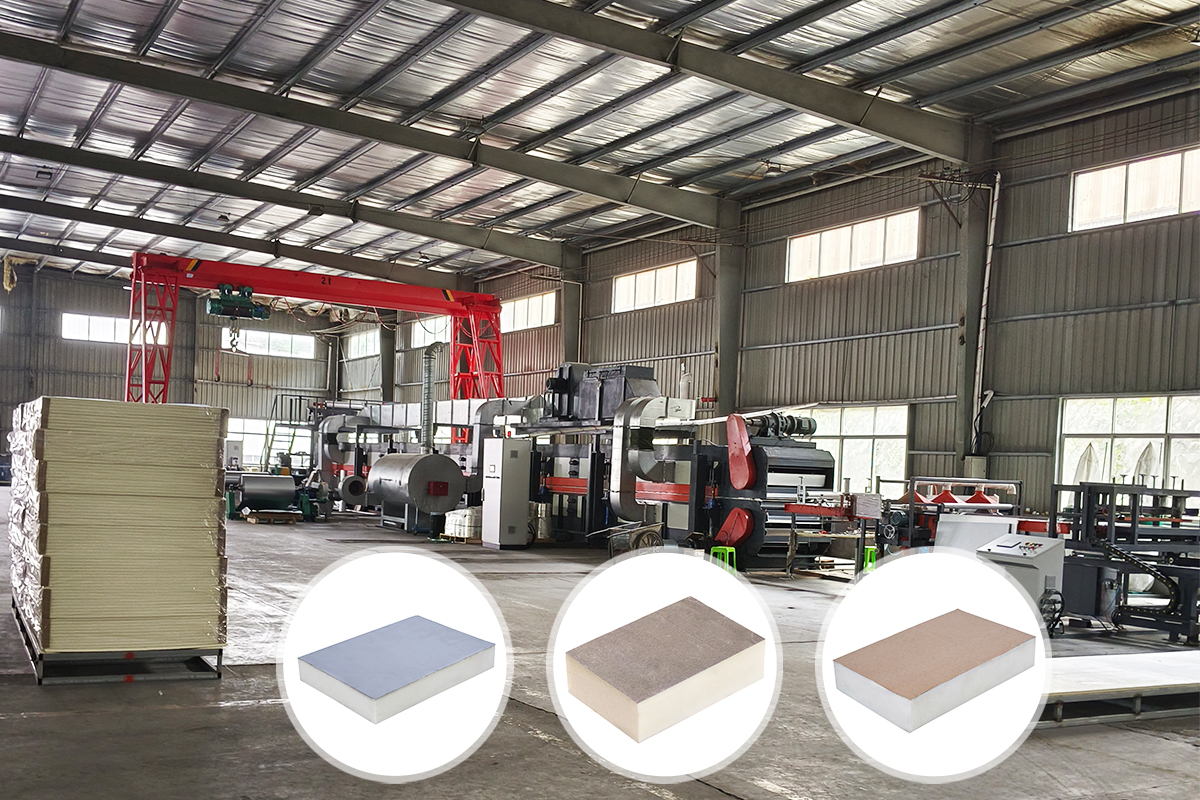
Are you looking for a thermal insulation material that offers superior energy savings, moisture resistance, and space efficiency? PIR foam insulation boards are one of the most efficient and versatile insulation materials available today. In this guide, discover why PIR boards outperform alternatives like EPS and XPS, their key benefits, and step-by-step installation tips for your next project.
What is PIR insulation?
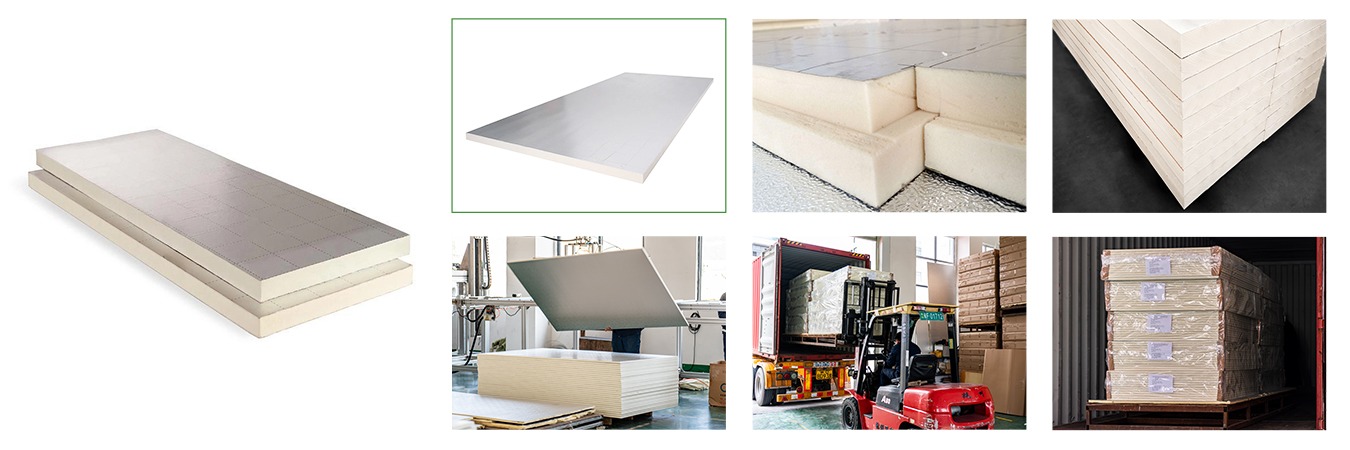
PIR insulation boards are one of the most efficient thermal insulation materials available today. PIR boards are commonly faced with aluminum foil, fiberglass mesh, or kraft paper, which enhances their mechanical and thermal performance. PIR insulation forms a closed-cell structure, Known for their low thermal conductivity and excellent moisture resistance, PIR boards are widely used in walls, floors, roofs, and HVAC ductwork.
In this guide, you’ll explore their key benefits, real-world applications, and how to install them efficiently. Whether you’re a builder, contractor, or project planner, understanding PIR insulation is essential for energy-efficient building solutions.
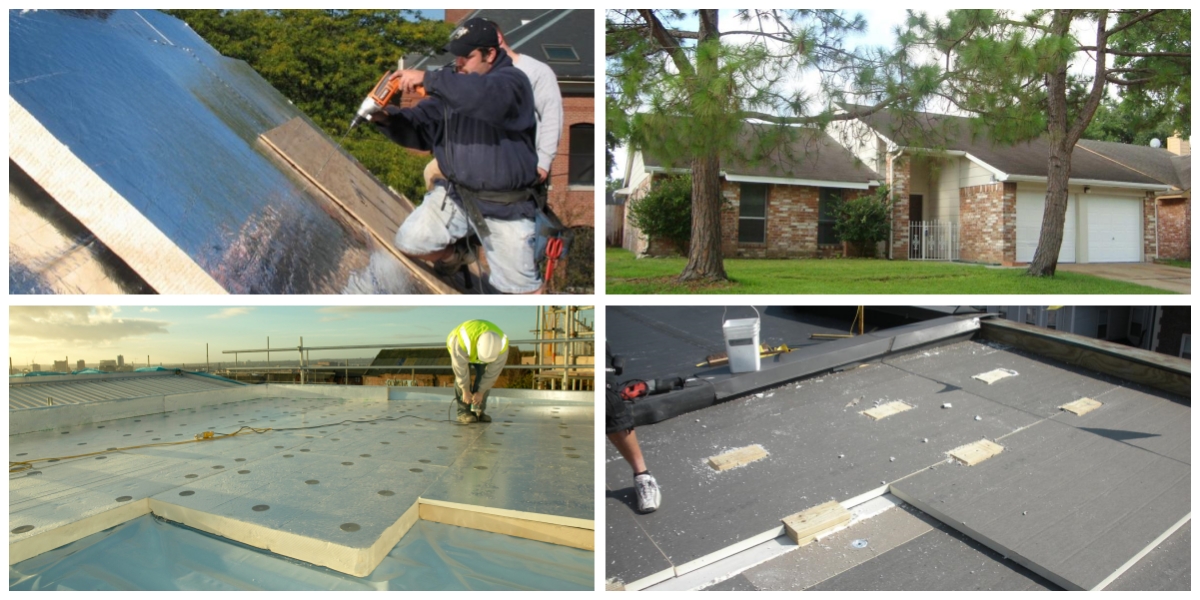
Key Advantages of PIR Insulation Boards
- High Energy Efficiency: Low thermal conductivity (~0.022 W/m·K) helps reduce heating and cooling costs by up to 30%.
- Moisture Resistance: Closed-cell structure combined with foil facings acts as a vapor barrier, protecting the insulation and structure.
- Space Saving: Achieves superior insulation at thinner thickness compared to mineral wool, ideal for tight spaces.
- Durabilidade: Resistant to sagging and moisture damage, ensuring long-term performance.
- Seasonal Comfort: Keeps interiors warm in winter and cool in summer by reflecting heat away.

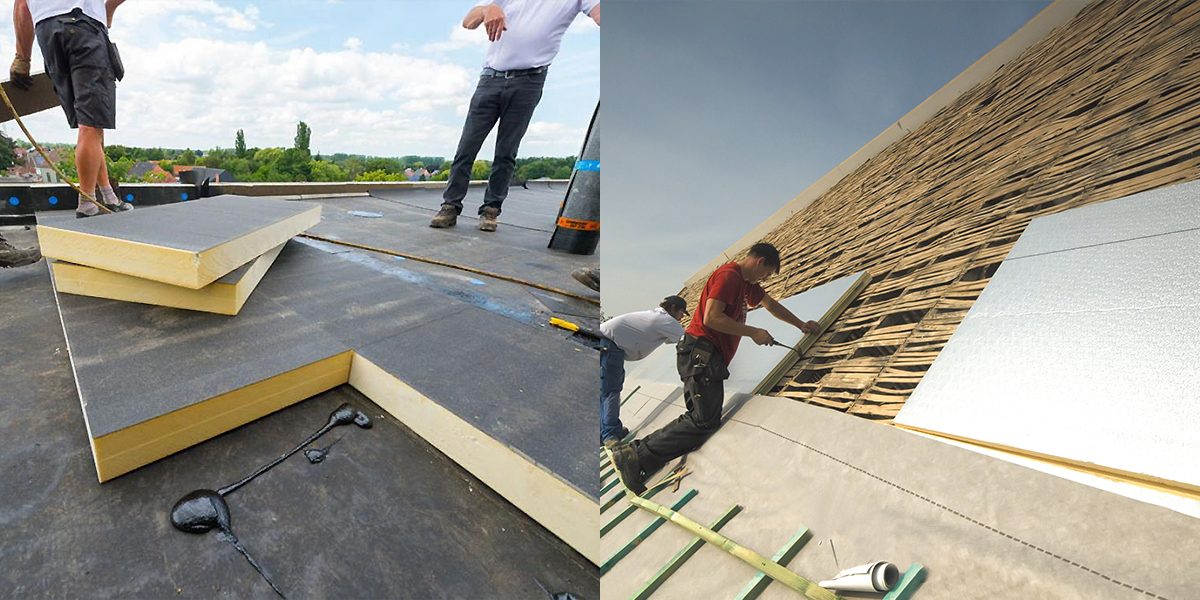
Como instalar placas PIR?
O isolamento PIR pode ser instalado usando a técnica Dot-and-Dab. Aqui está um guia passo a passo:
Marque a parede: Mark the ceiling and floor where the PIR boards will be installed. The markings should account for the board’s thickness plus 10mm. For example, if the board is 50mm thick, make the markings at 60mm. Also, mark the center of the board on the wall and place horizontal markings every 1200mm to identify the board’s margins.
Corte as tábuas: Corte as tábuas no tamanho apropriado usando uma serra manual. Certifique-se de que as placas sejam 15 mm mais curtas que a altura da parede.
Prepare o adesivo: Mix the plasterboard adhesive, according to the manufacturer’s instructions. Apply a continuous strip of adhesive to the edges of the ceiling, wall, and any openings like windows and doors.
Aplique o adesivo: Passe o adesivo na parede em intervalos de 50-75 mm e tiras de 250 mm de comprimento. Cada placa PIR precisa de três fileiras verticais de adesivo, uma no meio e duas de cada lado, a pelo menos 25 mm da borda.
Instale as placas: Pressione a parte de trás das placas PIR contra os pedaços de adesivo enquanto as apoia com compactadores de gesso cartonado. Alinhe as placas com os marcadores do teto e do chão e encaixe-as no lugar.
Proteja as placas: Use um levantador de placa para elevar a placa PIR até o teto. Remova o levantador assim que a placa estiver fixada com compactadores de gesso cartonado.
Sele as juntas: Para evitar pontes térmicas, encaixe bem todas as placas e fixe as margens com fita adesiva.
A técnica de instalação pode variar dependendo da localização e utilização específica do isolamento.
FAQs About PIR Insulation Boards
Q1: What is PIR insulation used for?
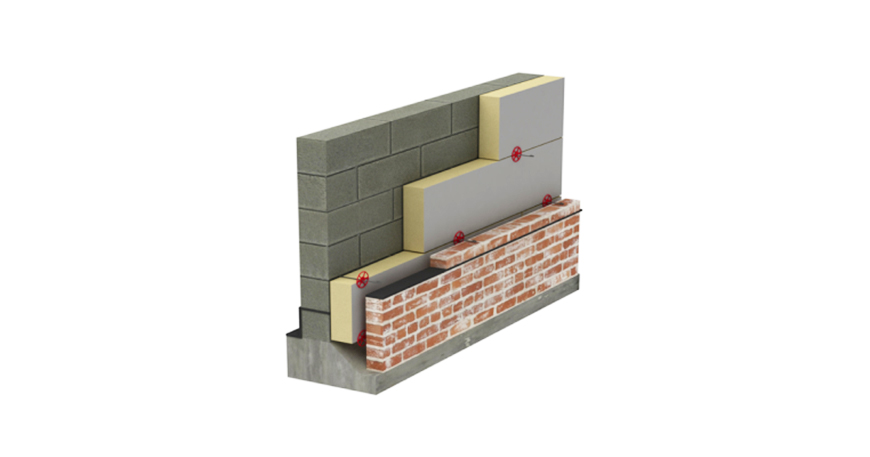
PIR boards are used in cavity walls, floors, pitched roofs, flat roofs, ceilings, HVAC ducts, and cold storage facilities.
Q2: Is PIR board waterproof?
PIR insulation boards have a closed-cell structure and are often foil-faced, providing excellent moisture resistance. However, they are not 100% waterproof if submerged.
Q3: What thickness of PIR board do I need?
Common thicknesses range from 25mm to 100mm. The choice depends on your building regulations and desired U-value. For walls, 50mm–75mm is typical.
Q4: How is PIR insulation installed?
PIR boards can be installed using mechanical fixings or adhesive (e.g., dot-and-dab method). Tightly sealing joints with foil tape is recommended to avoid thermal bridging.
Para concluir:
Embora as placas de isolamento EPS e XPS atuem como alternativas eficazes ao isolamento PIR, ainda não existe uma alternativa adequada ou mais adequada ao isolamento PIR no mercado. Seu isolamento térmico superior é o que torna o PIR o favorito do público, e eles ainda são muito procurados na indústria da construção.
Na GFI China, produzimos placa isolante de espuma PIR com superfície de fibra de vidro e folha de alumínio, bem como superfície de papel kraft.
Todas essas placas PIR são fabricadas em padrão com 1,2m de largura, o comprimento pode ser customizado de acordo com a necessidade do cliente. Essas placas de isolamento têm revestimentos de folha metálica e fibra de vidro em ambos os lados. Eles estão disponíveis em espessuras variadas para ajudar a se adequar a qualquer tipo de projeto.
Para placas de isolamento PIR de qualidade comercial, please visit GFI China. Choose GFI China’s PIR insulation boards for superior energy efficiency and a sustainable future. Contact us now!
CONTACTE
Deixe-nos uma mensagem e nossa equipe entrará em contato em breve.