
 Russian
  Arabic
  Chinese
  English
  French
  German
  Portuguese
  Spanish
  Thai
Thai  Vietnamese

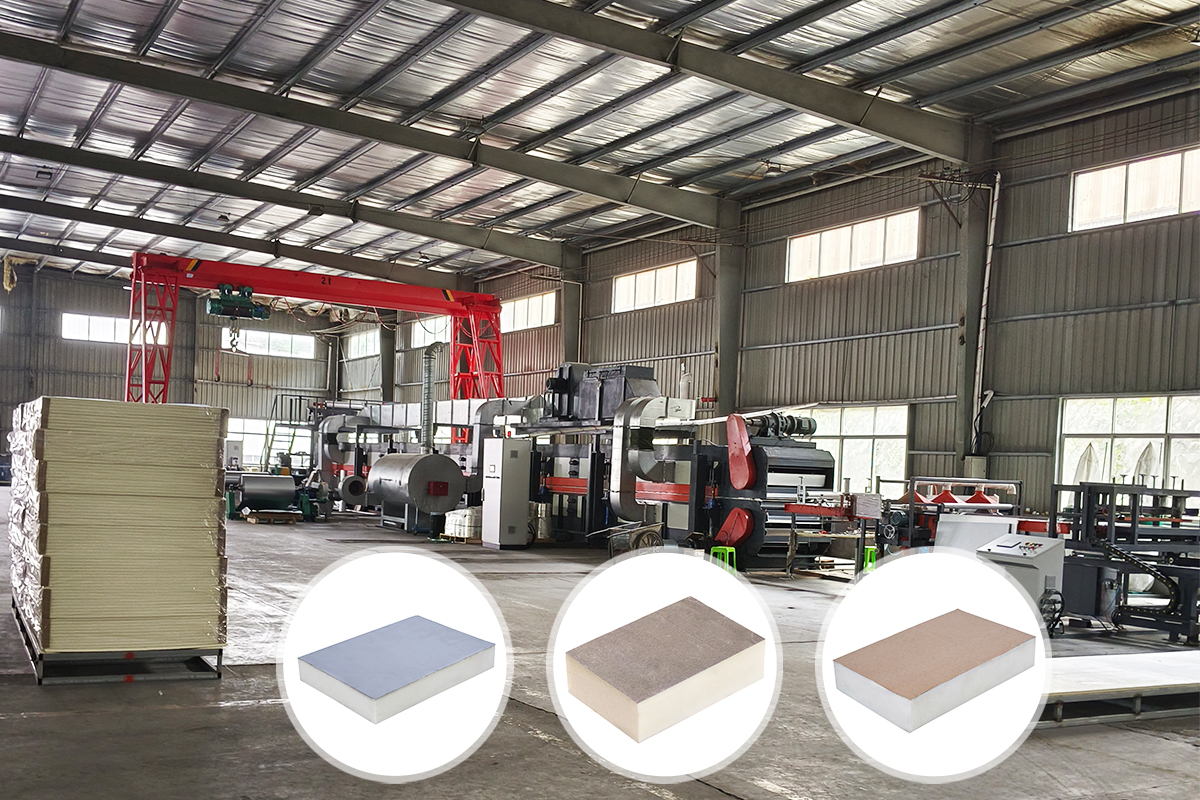
Are you looking for a thermal insulation material that offers superior energy savings, moisture resistance, and space efficiency? PIR foam insulation boards are one of the most efficient and versatile insulation materials available today. In this guide, discover why PIR boards outperform alternatives like EPS and XPS, their key benefits, and step-by-step installation tips for your next project.
What is PIR insulation?
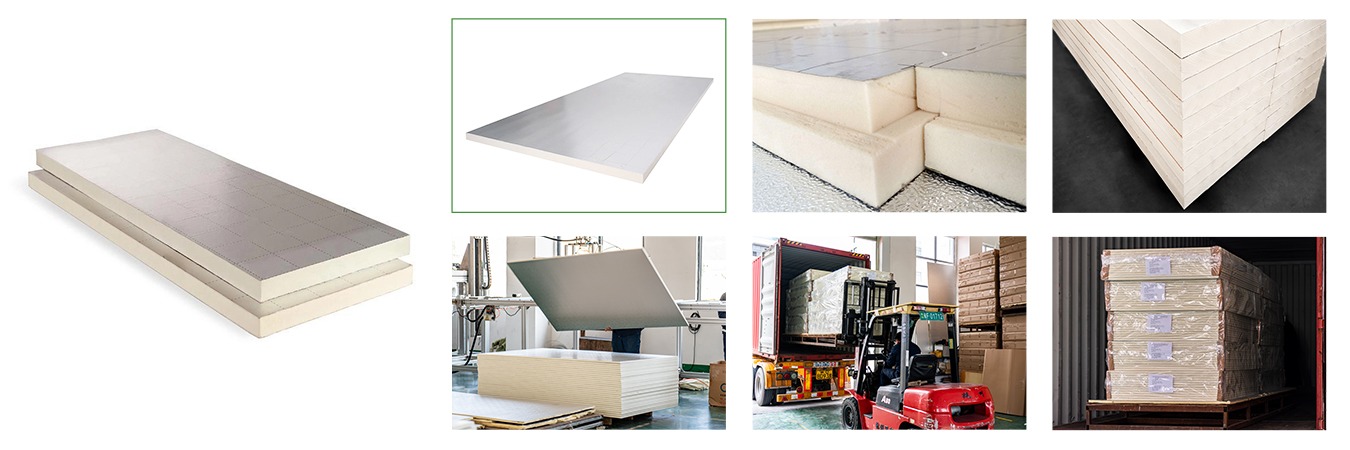
PIR insulation boards are one of the most efficient thermal insulation materials available today. PIR boards are commonly faced with aluminum foil, fiberglass mesh, or kraft paper, which enhances their mechanical and thermal performance. PIR insulation forms a closed-cell structure, Known for their low thermal conductivity and excellent moisture resistance, PIR boards are widely used in walls, floors, roofs, and HVAC ductwork.
In this guide, you’ll explore their key benefits, real-world applications, and how to install them efficiently. Whether you’re a builder, contractor, or project planner, understanding PIR insulation is essential for energy-efficient building solutions.
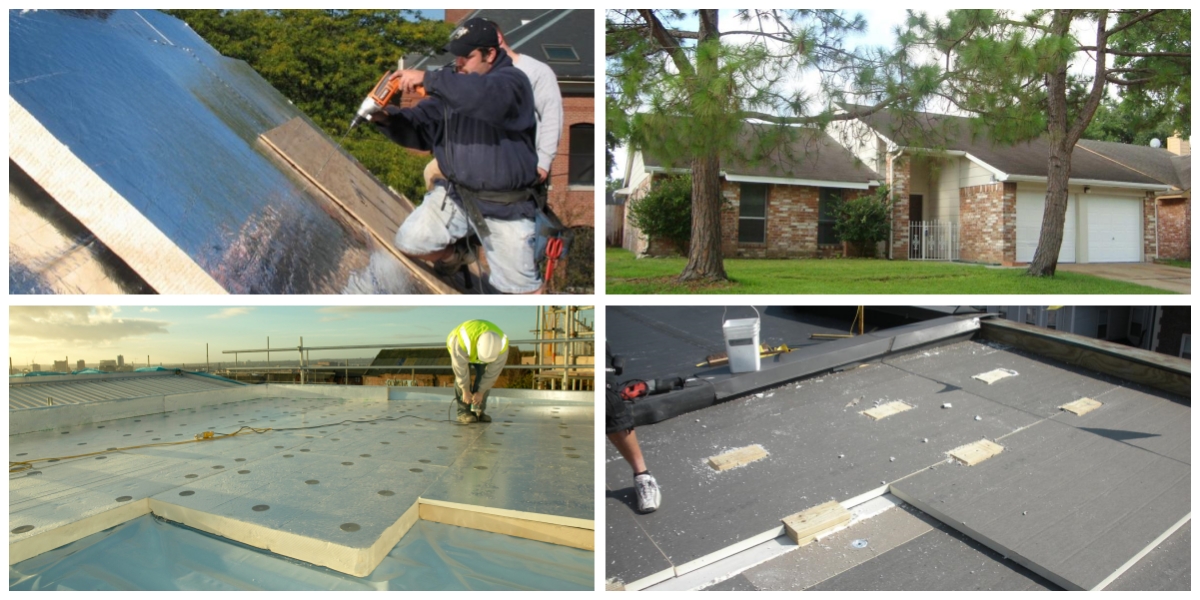
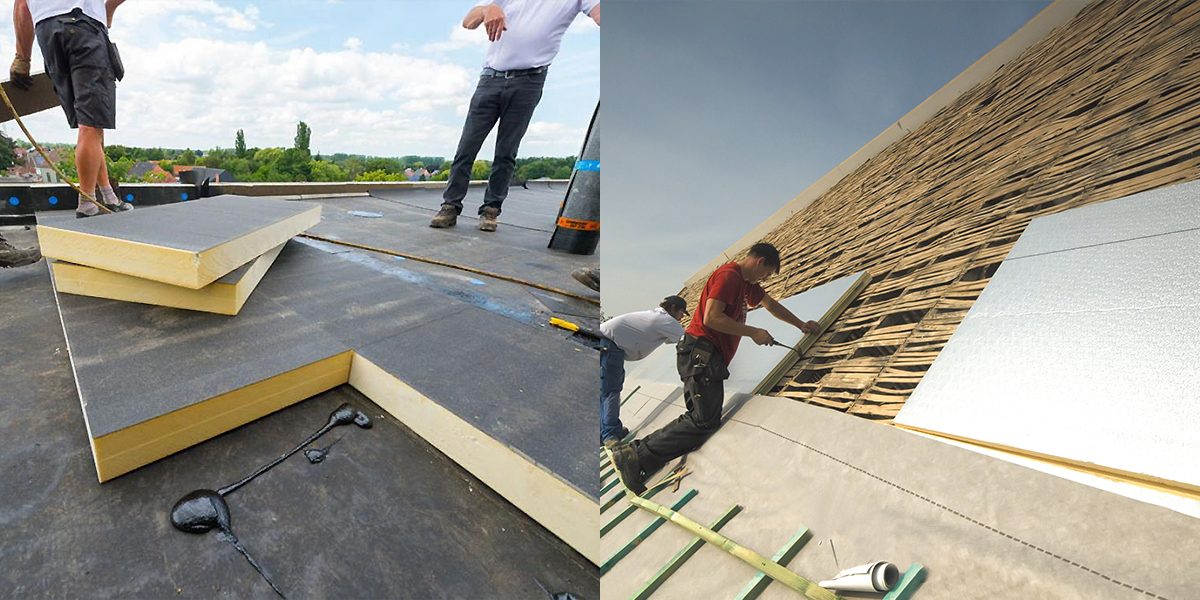
Key Advantages of PIR Insulation Boards
- High Energy Efficiency: Low thermal conductivity (~0.022 W/m·K) helps reduce heating and cooling costs by up to 30%.
- Moisture Resistance: Closed-cell structure combined with foil facings acts as a vapor barrier, protecting the insulation and structure.
- Space Saving: Achieves superior insulation at thinner thickness compared to mineral wool, ideal for tight spaces.
- Долговечность: Resistant to sagging and moisture damage, ensuring long-term performance.
- Seasonal Comfort: Keeps interiors warm in winter and cool in summer by reflecting heat away.

Как установить PIR-платы?
Изоляция PIR может быть установлена методом «точка-мазок». Вот пошаговое руководство:
Отметьте стену: Mark the ceiling and floor where the PIR boards will be installed. The markings should account for the board’s thickness plus 10mm. For example, if the board is 50mm thick, make the markings at 60mm. Also, mark the center of the board on the wall and place horizontal markings every 1200mm to identify the board’s margins.
Разрезаем доски: Отрежьте доски нужного размера с помощью ручной пилы. Убедитесь, что доски на 15 мм короче высоты стены.
Подготовьте клей: Mix the plasterboard adhesive, according to the manufacturer’s instructions. Apply a continuous strip of adhesive to the edges of the ceiling, wall, and any openings like windows and doors.
Нанесите клей: Нанесите клей на стену с интервалом 50–75 мм полосами длиной 250 мм. Для каждой панели PIR требуется три вертикальных ряда клея: один посередине и два по бокам, на расстоянии не менее 25 мм от края.
Установите доски: Прижмите заднюю часть плит PIR к каплям клея, поддерживая их гипсокартонными герметиками. Совместите доски с маркерами на потолке и полу, затем установите их на место.
Закрепите доски: Используйте подъемник для досок, чтобы плотно прижать панель PIR к потолку. Снимите подъемник, как только плита будет зафиксирована на месте с помощью пакеров для гипсокартона.
Герметизация стыков: Чтобы предотвратить образование мостов холода, плотно соедините все платы и закрепите края фольгированной лентой.
Техника монтажа может различаться в зависимости от места расположения и особенностей использования утеплителя.
FAQs About PIR Insulation Boards
Q1: What is PIR insulation used for?
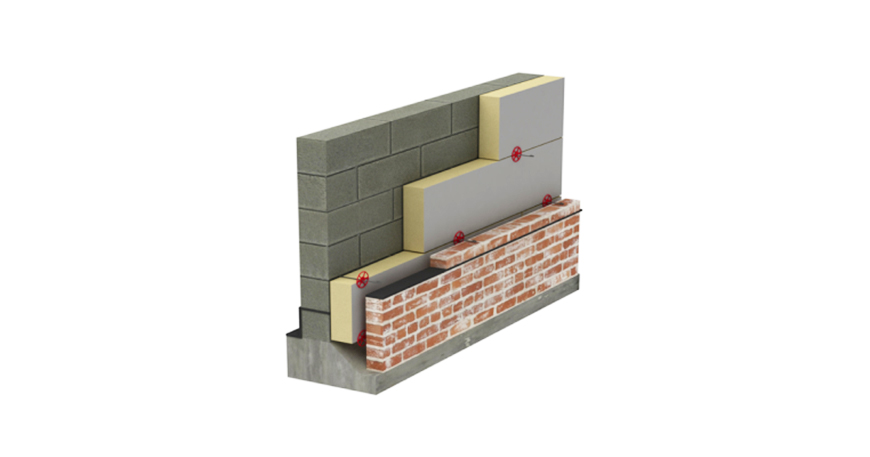
PIR boards are used in cavity walls, floors, pitched roofs, flat roofs, ceilings, HVAC ducts, and cold storage facilities.
Q2: Is PIR board waterproof?
PIR insulation boards have a closed-cell structure and are often foil-faced, providing excellent moisture resistance. However, they are not 100% waterproof if submerged.
Q3: What thickness of PIR board do I need?
Common thicknesses range from 25mm to 100mm. The choice depends on your building regulations and desired U-value. For walls, 50mm–75mm is typical.
Q4: How is PIR insulation installed?
PIR boards can be installed using mechanical fixings or adhesive (e.g., dot-and-dab method). Tightly sealing joints with foil tape is recommended to avoid thermal bridging.
В заключение:
Хотя изоляционные плиты EPS и XPS выступают в качестве эффективной альтернативы изоляции PIR, на рынке пока не существует подходящей или более подходящей альтернативы изоляции PIR. Превосходная теплоизоляция делает PIR фаворитом публики, и они по-прежнему пользуются большим спросом в строительной отрасли.
В GFI China мы производим изоляционные плиты из пенополиуретана с поверхностью из стекловолокна и алюминиевой фольги, а также поверхность из крафт-бумаги.
Все эти PIR-панели стандартно изготавливаются шириной 1,2 м, длина может быть изменена в соответствии с требованиями заказчика. Эти изоляционные плиты имеют облицовку из фольги и стекловолокна с обеих сторон. Они доступны различной толщины, что позволяет использовать их для любого типа проекта.
Для изоляционные плиты PIR коммерческого качества, please visit GFI China. Choose GFI China’s PIR insulation boards for superior energy efficiency and a sustainable future. Contact us now!
CONTACT US
Оставьте нам сообщение, и наша команда свяжется с вами в ближайшее время.