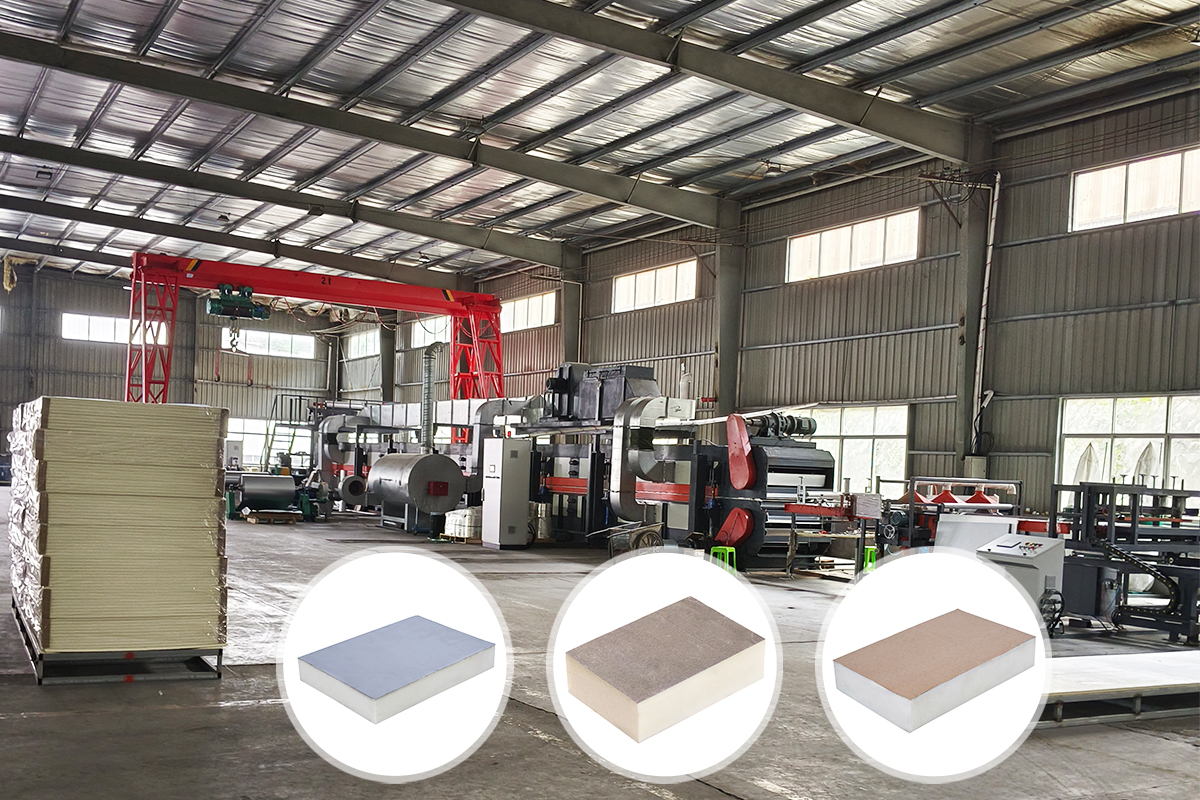
2024-11-08 GFI 公司新闻 GFI:引领绿色绝缘解决方案 在 GFI,我们致力于通过我们的绿色隔热产品推动可持续发展。我们的使命是只生产环保隔热材料,专注于预绝缘管道面板和泡沫隔热板的高性能解决方案。这种对绿色生产的承诺支撑着我们在产品开发中采取的每一步,帮助客户打造节能建筑,并实现 […] 更多信息
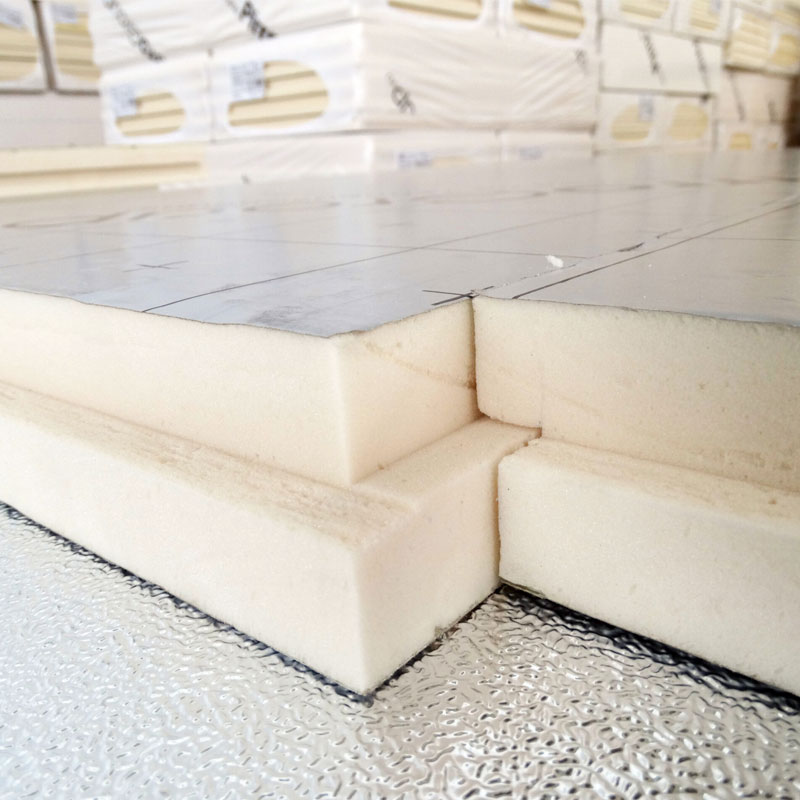
2024-10-25 GFI 泡沫隔热板 这个冬天,用GFI PU/PIR泡沫保温板温暖过冬 GFI的PU/PIR泡沫保温板具有卓越的隔热性能、广泛的应用范围和多种表面选择,包括玻璃纤维、铝箔和压纹箔。这些保温板适用于墙壁、屋顶、地板、天花板和暖通空调管道,专为满足住宅、商业和工业需求而设计,是今冬保持室内温暖、抵御寒冷的可靠解决方案。. 更多信息
2024-06-26 GFI 公司新闻, GFI 泡沫隔热板 PIR 泡沫隔热板获得 SGS SVHC 认证 我们的 PIR 泡沫保温板于 2024 年 5 月获得 SGS SVHC 认证 我们很高兴地宣布,我们的 PIR(聚异氰脲酸酯)泡沫保温板已成功获得 SGS 的高度关注物质 (SVHC) 测试报告认证,SGS 是全球公认的检验、验证、测试和认证领导者。这项认证彰显了我们坚定不移的承诺 […] 更多信息
2024-06-17 GFI 应用程序 如何使用泡沫板隔热材料? 如何使用泡沫板隔热材料:切割、安装和维护隔热板是一种多功能且高效的隔热解决方案,标准尺寸为 4ft×8ft,厚度从 6.35mm(¼ 英寸)到 50.8mm(2 英寸)。本指南涵盖了切割、安装和维护泡沫板隔热材料所需的一切知识,确保您的项目 […] 更多信息
2024-06-16 GFI 应用程序 您想了解的有关泡沫板隔热材料的一切(第 2 部分) 泡沫板隔热材料的优点和缺点 泡沫板隔热材料因其多功能性和有效性而成为一种受欢迎的选择,可用于各种应用,包括天花板、墙壁和地板。下面,我们将探讨在您的建筑项目中使用 PU/PIR 泡沫板隔热材料的主要优点和一些潜在缺点。泡沫板隔热材料的优点 […] 更多信息
2024-06-15 GFI 应用程序 您想了解的有关泡沫板隔热材料的一切(第 1 部分) 您想了解的有关泡沫板隔热的一切 泡沫板隔热是当今各种隔热材料中多功能且高效的选择。它既能提供热阻又能控制湿度,是住宅和商业应用的热门选择。无论您是要隔热墙壁、地下室还是外墙 […] 更多信息
2024-06-14 GFI 应用程序 哪种绝缘材料最适合您的项目? 在建造节能型生产设施、仓库或住宅建筑时,选择合适的保温材料至关重要。保温板中常用的两种硬质保温材料是聚异氰脲酸酯 (PIR) 板和膨胀聚苯乙烯 (EPS) 板。虽然它们看起来很相似,但各自的特性使其适用于不同的应用。技术:聚异氰脲酸酯 (PIR):PIR 板 […] 更多信息
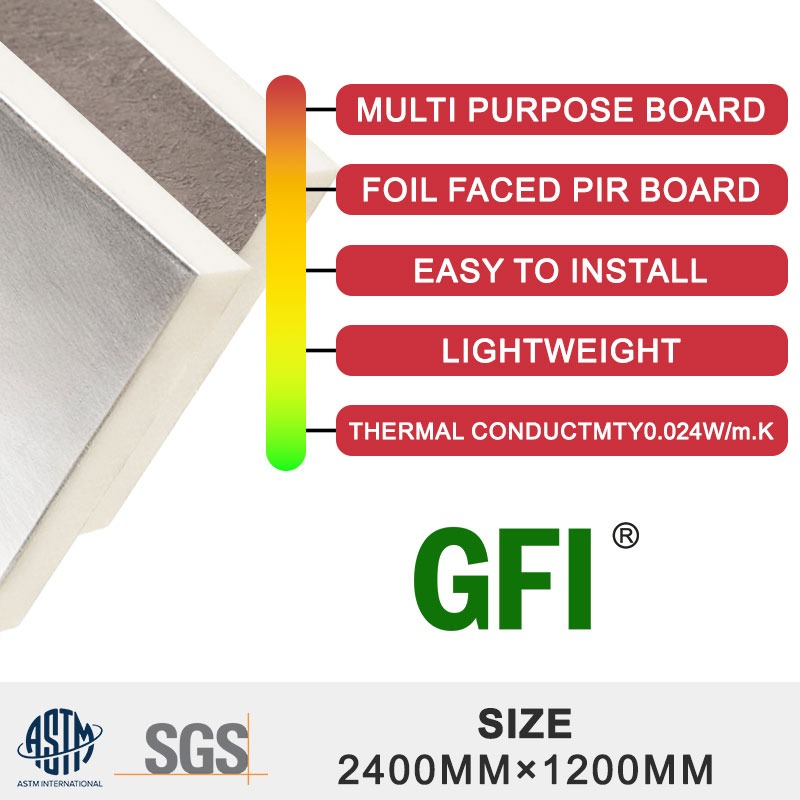
2024-06-12 GFI 应用程序 什么是PIR绝缘板?其优势、用途和组成 PIR保温板是由聚异氰脲酸酯制成的硬质泡沫板,具有优异的隔热性能、防潮性和耐久性。PIR板常用于墙体、地板和屋顶,其表面覆有低辐射铝箔,可增强隔热效果并起到防潮作用。PIR板的导热系数极低(低至0.022 W/m·K),是现代建筑标准中追求空间利用率和节能解决方案的理想之选。. 更多信息
2024-06-07 GFI 应用程序 PIR 和酚醛绝缘材料有什么区别? PIR 和酚醛绝缘材料有什么区别?在选择绝缘材料时,PIR 和酚醛绝缘板是最佳选择。虽然酚醛板以其出色的热性能而闻名,但 PIR 绝缘板在几个关键方面往往表现优于酚醛板。下面,我们重点介绍这两者之间的主要区别 […] 更多信息

 Chinese
  Arabic
  English
  French
  German
  Portuguese
  Russian
  Spanish
  Thai
Thai  Vietnamese