
 Thai
 Arabic
 Chinese
 English
 French
 German
 Portuguese
 Russian
 Spanish
 Vietnamese


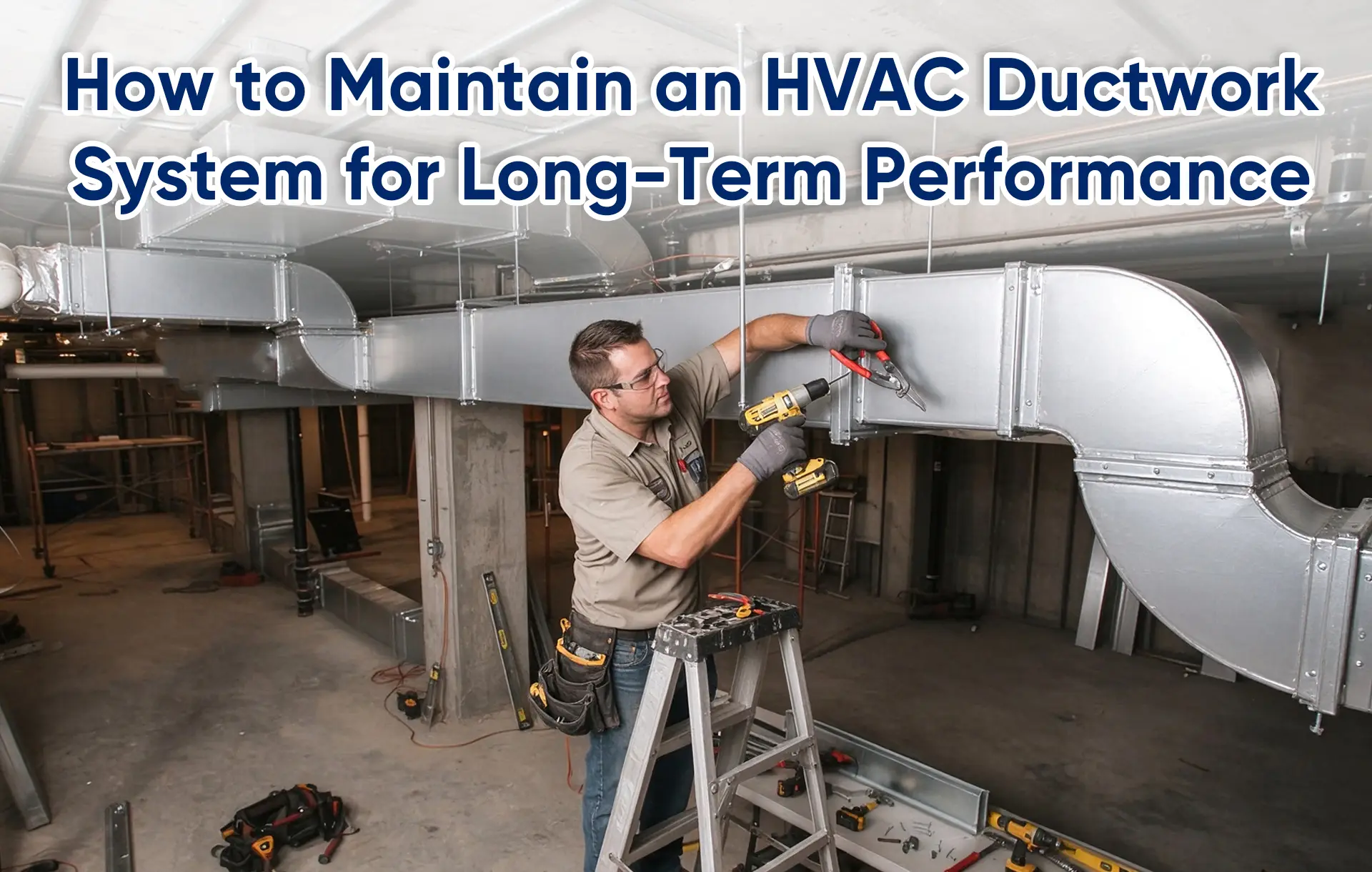
HVAC ductworks plays an important role in delivering conditioned air throughout commercial and industrial buildings. However, even a properly installed duct system requires regular inspection and maintenance to maintain its performance over time.
Therefore, what should building managers check during routine HVAC duct system maintenance? This guide outlines several important inspection points to help maintain a reliable and efficient ventilation system.
Inspect the PIR Duct Facing and Vapor Barrier for Damage
The aluminum foil facing on PIR pre-insulated duct panels acts as a vapor barrier and is one of the key features that distinguishes these ducts from traditional sheet metal ductwork.If the facing becomes scratched, torn, or detached, warm, humid air can penetrate the insulation core and cause condensation inside the duct panel. This type of internal condensation is difficult to detect at an early stage. By the time water stains appear on the ceiling or the panels show signs of mold growth and delamination, repair costs can be significantly higher.
Inspection items:
- Inspect all accessible duct surfaces for scratches, tears, damaged foil facing, blistering, or dark mold spots.
- Pay particular attention to elbows, transitions, and cut or fabricated sections, as these areas are more likely to suffer facing damage during installation.
- If water stains or dripping marks appear on the ceiling, inspect the ductwork above for damage to the vapor barrier.
Action:
Repair minor damage promptly using compatible aluminum foil or adhesive aluminum tape.
If the insulation core is extensively moisture-damaged or water has penetrated the foam, the affected duct section should be replaced.
HVAC Ductworks Systems Joint & Flange Sealing, Air Leakage Check
Vibration and temperature cycling over time weaken adhesive and flange gaskets. Air leakage increases power consumption and causes unstable room pressure,
Inspection items:
- Check whether sealant andaluminum foil tape on panel joints and flanges crack or peel off
- Check loose bolts and aged, compressed gaskets
- Listen for whistling airflow noise during operation
Action: Remove old sealant and re-seal gaps. Replace failed gaskets and tighten bolts evenly.
Inspect Duct System Surfaces for Condensation and Moisture Issues
When the duct surface temperature falls below the dew point temperature of the surrounding air, condensation may occur. This is more likely in high-humidity environments or in duct sections with insufficient insulation or damaged vapor barriers.
Inspection items:
- Check for water droplets or visible moisture on the duct surface.
- Inspect the insulation for signs of moisture absorption or discoloration.
- Check the vapor barrier and outer protective facing for damage.
- Look for water stains around duct joints and on nearby ceiling surfaces.
Action:
If condensation is detected, identify the underlying cause before taking corrective action. Inspect the insulation condition, vapor barrier continuity, potential air leakage, and surrounding humidity levels.
Inspection Fire Dampers & Fire Stopping
Fire dampers and fire stopping at wall/floor penetrations are safety priorities. Ceiling renovation work often breaks original fire sealing.
Inspection items:
- Test manual operation and signal feedback of fire dampers
- Inspect complete fire stopping where ducts pass through walls and slabs
- Verify fire-rated insulation for smoke exhaust ducts
Air Grilles, Airflow & Indoor Air Quality
Intact HVAC ductwork guarantees stable air delivery. Blocked grilles and unbalanced airflow hurt comfort and cleanroom performance.
Inspection items:
- Check dust and debris blocking supply and return grilles
- Investigate uneven temperature or fluctuating airflow across zones
- Watch for musty odors which signal internal duct moisture contamination
- Conduct annual air balancing test for high-standard projects
Keep a Regular HVAC Maintenance Record
Routine inspections are more effective when ductwork maintain clear records. A maintenance log helps identify recurring problems, track repair history, and plan future maintenance work.
A practical maintenance record can include:
- Inspection date and inspected duct sections
- Identified problems and their locations
- Cleaning, repair, or replacement activities
- Condition of insulation and duct connections
- Damper and filter inspection results
- Follow-up actions and the next inspection date
Inspection frequency should depend on the building’s use, operating environment, system condition, and applicable maintenance requirements. Buildings with high dust levels, high humidity, or demanding ventilation conditions may need more frequent checks.

บทสรุป
Regular HVAC ductworks maintenance helps building managers identify potential problems before they develop into more costly repairs. Air leakage, damaged insulation, condensation, loose supports, malfunctioning dampers, and blocked air outlets are all important areas to monitor.
For new construction and renovation projects, selecting suitable duct materials and ensuring proper installation can also reduce future maintenance requirements. A well-maintained duct system not only supports stable airflow and thermal performance but also helps buildings operate more efficiently over the long term.
ติดต่อเรา
กรุณาฝากข้อความไว้ ทีมงานของเราจะติดต่อกลับโดยเร็วที่สุด.