
 English
  Arabic
  Chinese
  French
  German
  Portuguese
  Russian
  Spanish
  Thai
Thai  Vietnamese

Air leakage is one of the most critical performance risks in HVAC duct systems. In pre-insulated ductwork, poor material selection, improper joint design, or incorrect installation can significantly increase leakage rates, leading to energy loss, pressure imbalance, and long-term system inefficiency.
This article explains how air leakage can be effectively reduced in pre-insulated duct systems by focusing on material quality, structural design, and professional fabrication methods.
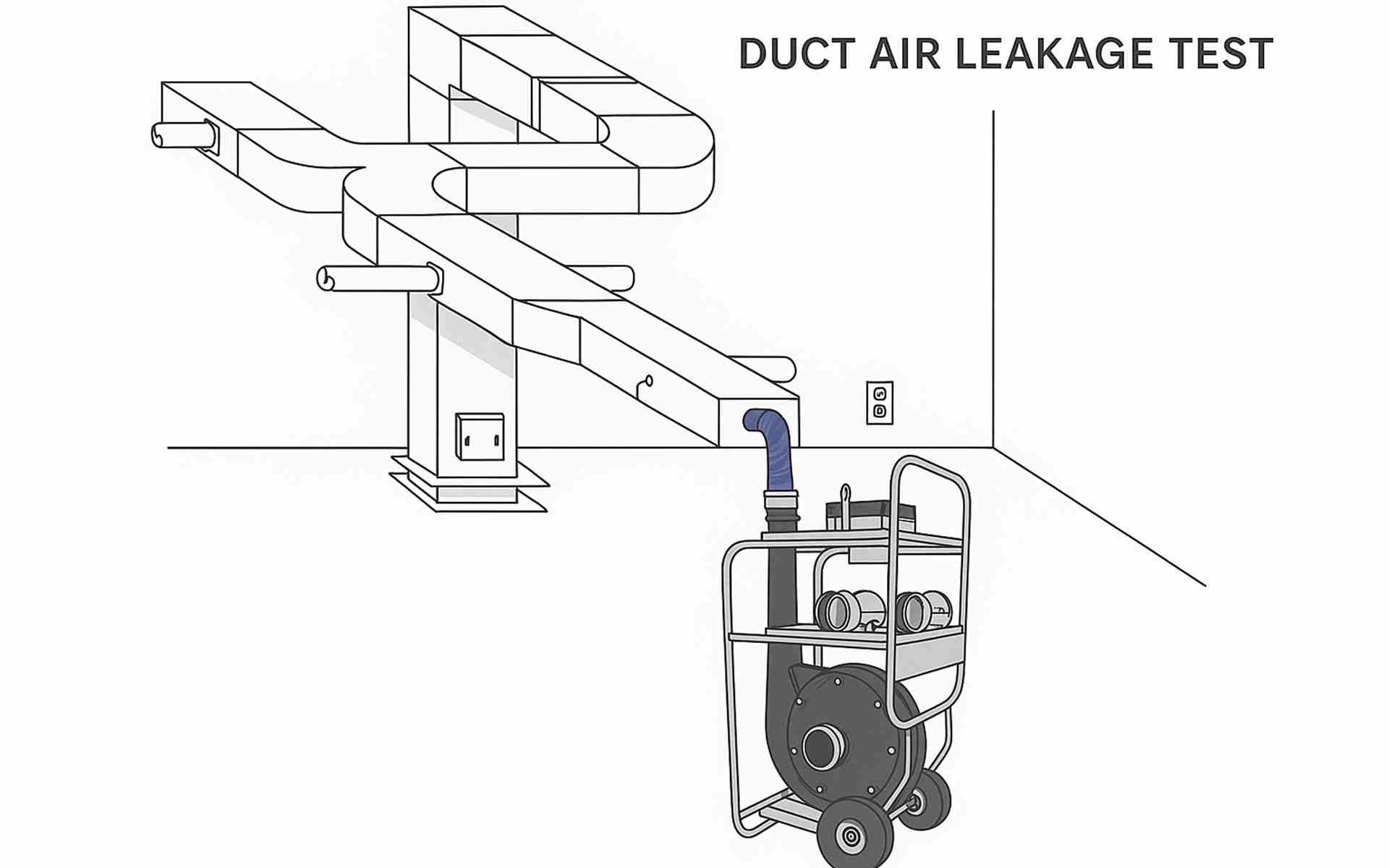
1. Start with High-Quality Pre-Insulated Duct Panels
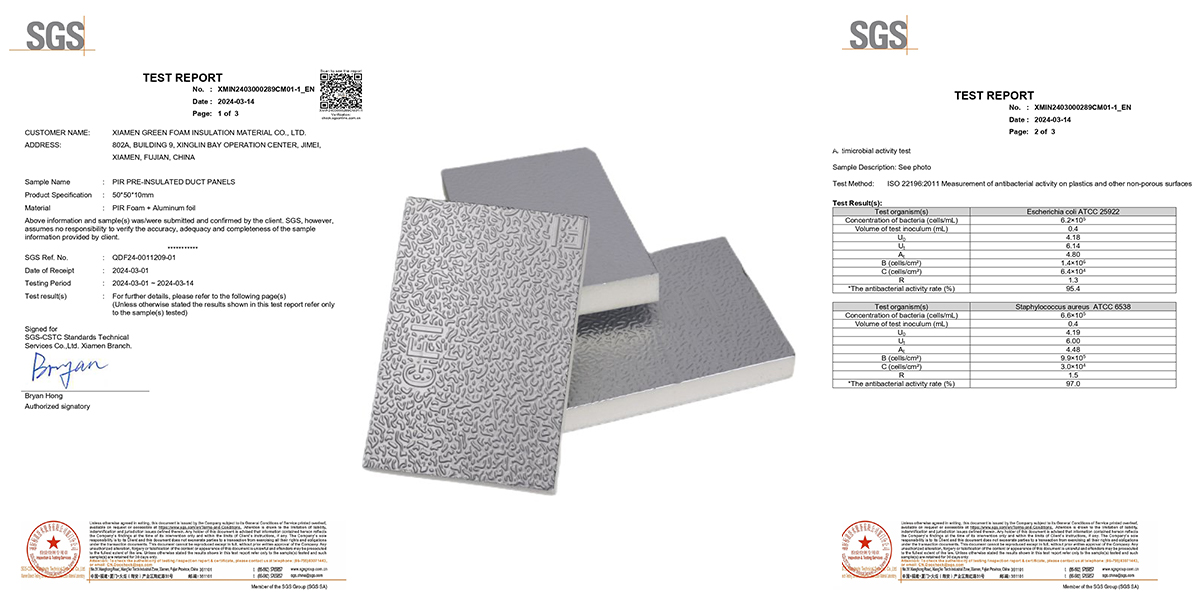
The foundation of an airtight duct system lies in the duct panel itself. High-density PIR or PU pre-insulated duct panels provide a closed-cell structure with excellent dimensional stability and low air permeability.
Key material requirements include:
- Uniform foam density
- Strong adhesion between foam core and aluminum foil
- High vapor resistance and low thermal conductivity
Quality panels ensure stable edges after cutting and reduce the risk of joint deformation during installation.
2. Precision Cutting and Grooving Are Essential
Inaccurate cutting and inconsistent groove angles are common causes of air leakage. Using professional duct panel cutting and grooving tools ensures:
- Clean, straight edges
- Accurate 45° and 90° grooves
- Tight panel alignment during assembly
Precision tools help maintain consistent joint geometry, which is critical for airtight sealing.

3. Use Proper Invisible Flange and Joint Systems
Invisible flange systems play a key role in minimizing leakage at duct connections. PVC or aluminum invisible flange joints create a continuous sealing surface without exposed metal edges.
Common solutions include:
- PVC / Aluminum Invisible Flange Joints
- U flange, F section bar, and Tee connector profiles
- PVC or aluminum chair and reinforcement sections
These profiles improve joint strength while maintaining smooth airflow paths.
4. Reinforcement Profiles Improve Structural Stability
Large duct sections are prone to deformation if not properly reinforced. Aluminum reinforcement bars, GI corners, zinc-coated steel angle brackets, and PIR duct hangers provide additional rigidity, preventing joint gaps caused by vibration or pressure changes.
Proper reinforcement directly contributes to long-term airtightness.

5. Installation Discipline Determines Final Performance
Even with high-quality materials, poor installation can compromise airtightness. Best practices include:
- Correct adhesive application at all joints
- Accurate alignment of panels and flanges
- Proper spacing of hangers and supports
- Avoiding excessive mechanical stress on joints
A well-executed installation ensures the designed airtight performance is achieved in real operation.
Conclusion
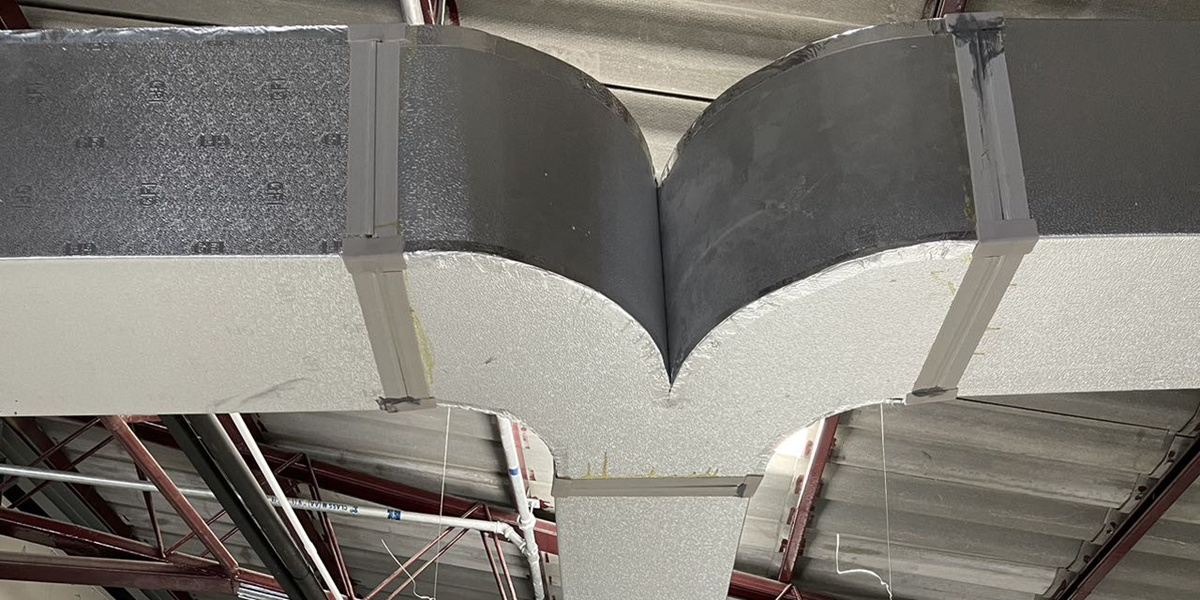
Reducing air leakage in pre-insulated ductwork is not a single-step process. It requires the right combination of premium duct panels, precision fabrication tools, engineered joint systems, and disciplined installation practices.
GFIDuct provides complete solutions covering pre-insulated duct panels, professional cutting tools, invisible flange systems, reinforcement profiles, and ductwork machinery—helping contractors achieve stable, airtight, and energy-efficient HVAC duct systems.
CONTACT US
Leave us a message and our team will get back to you soon.