
 Chinese
  Arabic
  English
  French
  German
  Portuguese
  Russian
  Spanish
  Thai
Thai  Vietnamese


Amid the global push for energy conservation, emission cuts, and green building growth, 保温板 such as PIR insulation has become key. With low thermal conductivity, high thermal resistance, low water absorption, and strong airtightness, it improves building energy efficiency. Studies show that buildings use a large share of energy in many countries.
The thermal performance of the building envelope directly affects overall energy efficiency. As a result, adopting high-performance insulation materials is essential for reducing energy consumption and supporting sustainable construction.
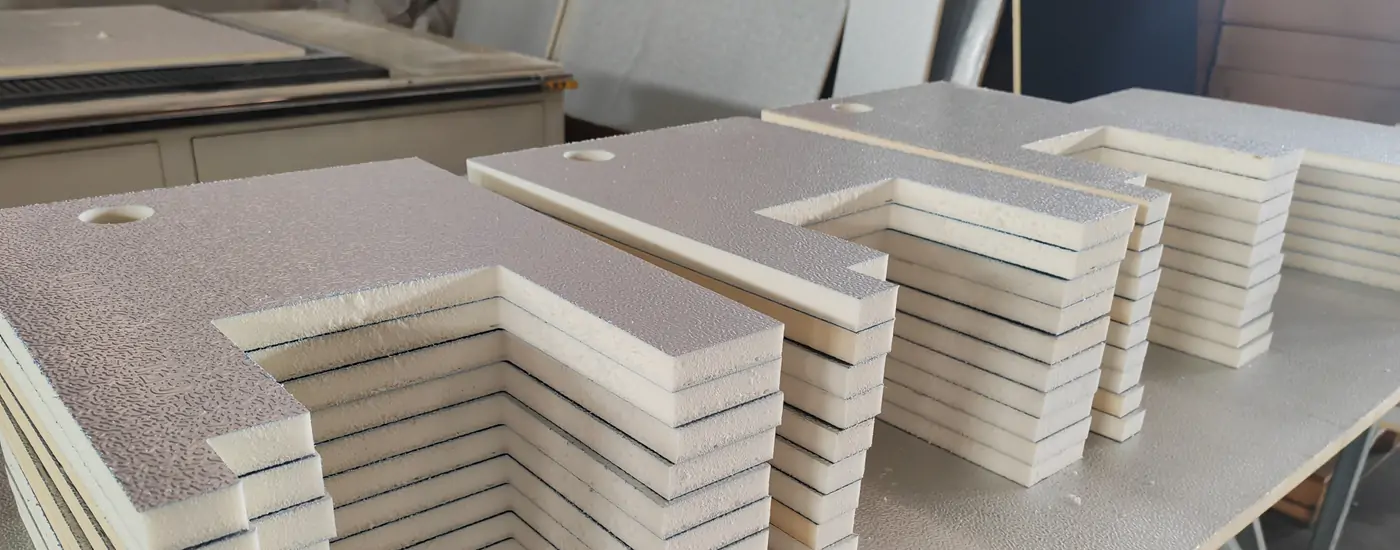
1.Improving Thermal Performance of the Building Envelope
Exterior walls and roofs are the primary pathways for heat transfer in buildings. When insulation performance is insufficient, temperature differences between indoor and outdoor environments can lead to substantial heat loss or gain, increasing the load on heating and cooling systems.
PIR insulation materials exhibit low thermal conductivity, enabling efficient control of heat transfer. By integrating these materials into wall and roof systems, buildings can maintain more stable indoor temperatures, improve occupant comfort, and significantly reduce energy consumption associated with HVAC operation.
2.Reducing HVAC System Load
In commercial buildings, office complexes, and large public facilities, HVAC systems are often the largest contributors to energy consumption. Poor insulation in the building envelope forces HVAC systems to operate continuously to maintain indoor conditions, resulting in higher energy usage.
By minimizing heat exchange between indoor and outdoor environments, PIR insulation materials help reduce both cooling and heating loads. This enables HVAC systems to operate more efficiently, shortens runtime, and can extend equipment lifespan. For buildings with continuous HVAC operation, the resulting energy savings are particularly significant.

3.Enhancing Airtightness and Overall Energy Efficiency
In addition to thermal insulation performance, the airtightness of the building envelope is another critical factor affecting energy efficiency. Gaps or discontinuities in walls and roofs can lead to unwanted air infiltration, increasing the burden on HVAC systems.
Installers often apply PIR insulation materials in panel or composite forms, which allows continuous installation and effective sealing. This helps create a more airtight building envelope, reducing energy losses and improving overall system performance.
4.Supporting Lightweight Design and Structural Optimization
Modern building design increasingly prioritizes structural efficiency and materials optimization. Traditional insulation systems may require additional support structures, adding weight and complexity.
In contrast, polyisocyanurate rigid foam insulation materials such as PU and PIR offer a combination of high strength and low density. This makes them ideal for applications in exterior wall systems, roofing structures, and HVAC pre-insulated duct systems. Their lightweight nature contributes to reduced structural loads, improved design flexibility, and faster installation.
5.Promoting Green Building Development
With the growing adoption of green building standards and sustainability initiatives, the environmental performance of construction materials has become a key consideration. Many PIR insulation materials use greener manufacturing methods, and they help save energy over a building’s life.
By reducing operational energy demand, these materials help lower carbon emissions and support the transition toward more sustainable building practices.

6.Wide Applications in Modern Construction
Today, PIR insulation materials are widely used across various building systems, including:
- Exterior wall insulation systems
- Roofing insulation structures
- Cold storage and cold chain facilities
- Industrial equipment insulation
- HVAC pre-insulated duct systems
In these applications, they not only enhance thermal insulation performance but also improve overall system efficiency.
结论
As building energy standards continue to rise, PIR insulation materials are playing an increasingly vital role in modern construction. By improving the thermal performance of building envelopes, reducing HVAC system loads, enhancing airtightness, and supporting structural optimization, these materials significantly contribute to overall energy efficiency.
Looking ahead, PIR insulation materials will remain a fundamental driver of energy-efficient buildings and a key enabler of sustainable development in the construction industry.
联系我们
请给我们留言,我们的团队会尽快回复您。.