
 Chinese
  Arabic
  English
  French
  German
  Portuguese
  Russian
  Spanish
  Thai
Thai  Vietnamese


Understanding the Misconceptions and Modern Innovations in HVAC Duct Board Systems
In HVAC systems, duct boards—lightweight, pre-insulated air duct panels—are widely used in commercial buildings, office spaces, and cleanroom projects. Thanks to their excellent thermal insulation and easy installation, they offer an efficient alternative to traditional sheet metal ducts.
However, some designers and contractors still express concerns, often describing duct board systems as “less durable” or “prone to dust.”
Is this really true?
I. The Source of Misunderstanding: Early Fiberglass Duct Boards
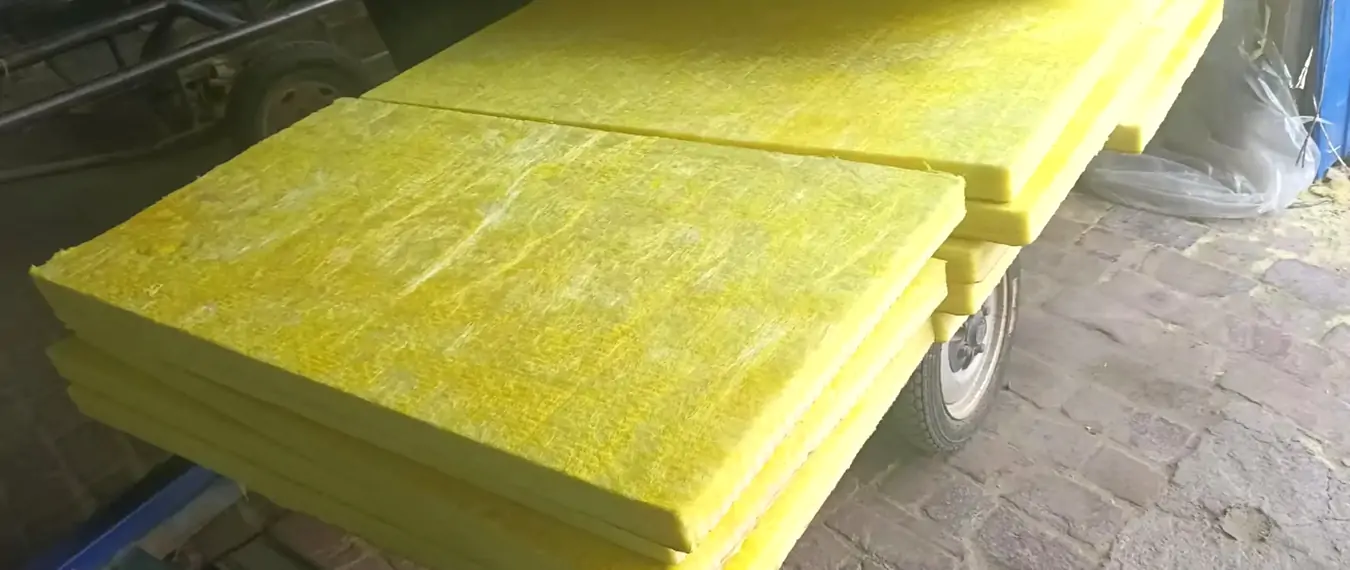
The negative perception of duct boards often stems from experiences with fiberglass duct boards used in earlier decades.
Fiberglass duct systems were once common in the late 20th century but brought several practical issues:
- Fiber shedding: The internal glass fibers could dislodge over time due to airflow, potentially releasing fine particles into the air.
- Moisture absorption: The open-cell structure easily absorbed moisture, leading to mold and hygiene concerns.
- Low mechanical strength: Panels were prone to cracking or crushing during transportation and installation.
- Complex installation: Cutting and joint sealing required additional protective measures, increasing labor intensity.
These drawbacks led many HVAC professionals to associate duct boards with fragility and maintenance issues—an impression that no longer holds true today.
II. The Technological Shift: PU and PIR Duct Boards
With the rise of energy-efficient building design, fiberglass materials have gradually been replaced by polyurethane (PU) and polyisocyanurate (PIR) foam boards.
Leading brands such as Kingspan, P3 Duct, and GFI have introduced pre-insulated duct board systems that fully overcome the limitations of fiberglass.
| Item | Fiberglass Duct Board | GFI PU / PIR Duct Board |
| 隔热 | 缓和 | Excellent (Thermal conductivity ≈ 0.020–0.024 W/m·K) |
| 防潮性 | Absorbs water easily | Closed-cell foam, moisture-proof and mold-resistant |
| Structural Strength | Brittle and fragile | High-strength core with double-layer aluminum foil |
| Air Cleanliness | Possible fiber shedding | Fiber-free and hygienic surface |
| Installation Efficiency | Requires complex sealing | Easy manual or CNC cutting with mature accessory system |
The closed-cell structure of PU and PIR foam provides superior thermal insulation while preventing condensation and energy loss. The aluminum foil surface adds fire, moisture, and corrosion resistance—making the entire system stronger and longer-lasting.

III. Why Modern Projects Prefer PU / PIR Duct Boards
Outstanding Energy Efficiency: Lower heat transfer meets modern green building standards.
- Faster Installation: Lightweight panels are easy to cut and assemble on-site.
- Low Maintenance: High sealing integrity minimizes air leakage and cleaning requirements.
- Versatile Applications: Suitable for supply, return, and exhaust air systems—indoors or outdoors.
- Aesthetic Finish: Smooth aluminum surface provides a clean and professional appearance.
As a result, more HVAC projects are shifting from traditional metal ducts or fiberglass boards to PU/PIR pre-insulated duct systems.

IV. Conclusion: A New Generation Worth Reconsidering
The skepticism toward duct boards often comes from outdated material experience. Modern GFI PU/PIR Duct Boards represent a new generation of lightweight, energy-efficient, and clean air duct solutions.
They eliminate the issues of old fiberglass systems and deliver long-term durability, thermal performance, and installation efficiency—making them a preferred choice in today’s HVAC industry. Choosing the right material is the first step toward building an efficient and sustainable air distribution system.
联系我们
请给我们留言,我们的团队会尽快回复您。.