
 Chinese
  Arabic
  English
  French
  German
  Portuguese
  Russian
  Spanish
  Thai
Thai  Vietnamese


Exterior & Interior Wall Thermal Insulation
In modern building insulation systems, PIR (polyisocyanurate) and PU (polyurethane) insulation boards are widely used for both exterior and interior wall applications due to their excellent thermal performance, moisture resistance, and structural stability. Compared with traditional insulation materials such as mineral wool, EPS, or on-site spray foam, PIR/PU panels offer higher closed-cell content, superior moisture resistance, and more consistent factory-produced quality. This makes them suitable for external walls, internal partitions, enclosure walls, and various building spaces.
Based on common engineering details—including aluminum-foil facing, mechanical fasteners, and tongue-and-groove (T&G) joint structures—this guide outlines a universal installation process that can be applied to a wide range of construction projects.

1. System Structure (Based on Standard Construction Practice)
A typical PIR/PU wall insulation system consists of the following components:
- Aluminum foil, fiberglass or composite facing (provides moisture barrier, reflective effect, and surface protection)
- PIR/PU insulation core (closed-cell structure with low thermal conductivity)
- Adhesive layer (special bonding mortar or adhesive)
- Mechanical fasteners (anchors or screws)
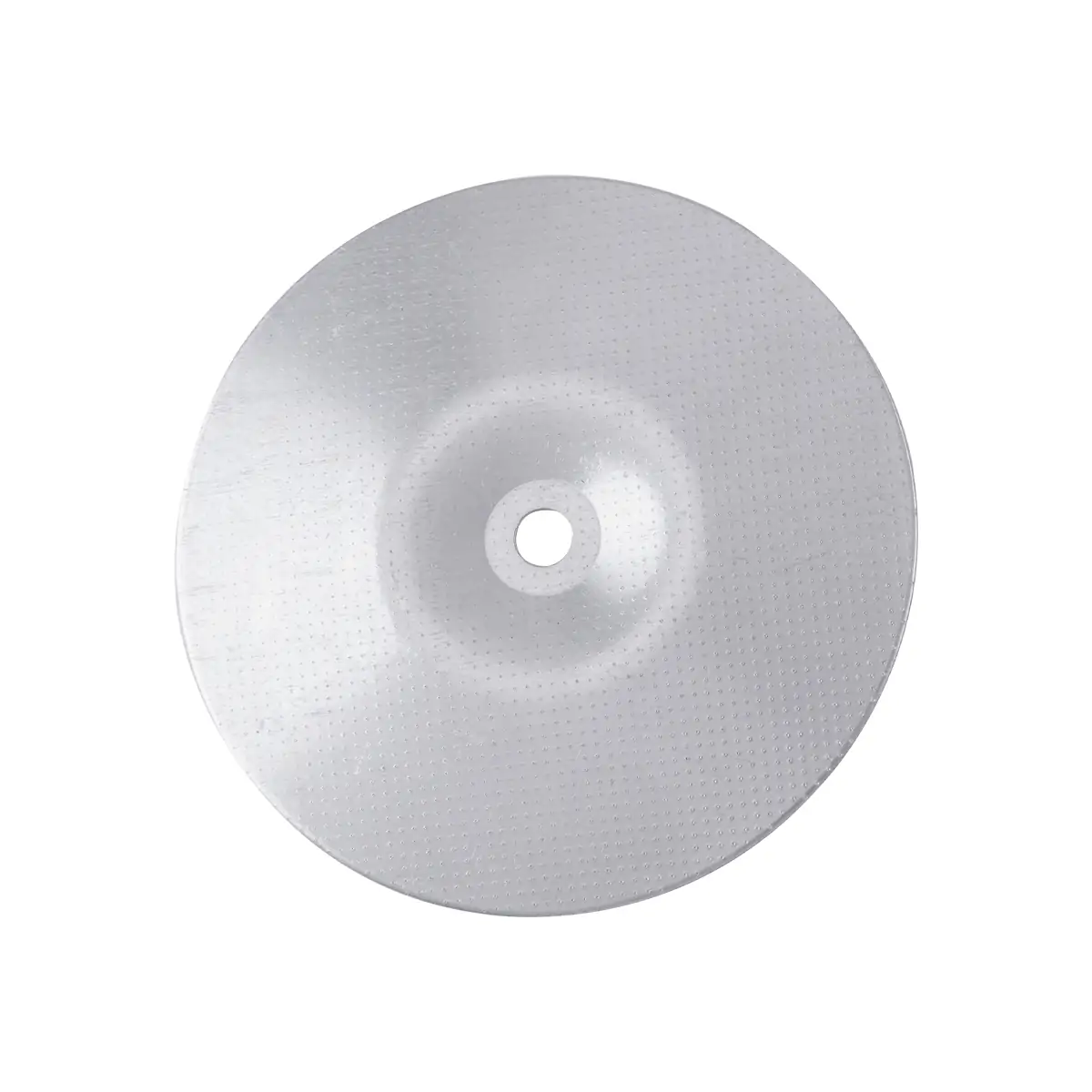
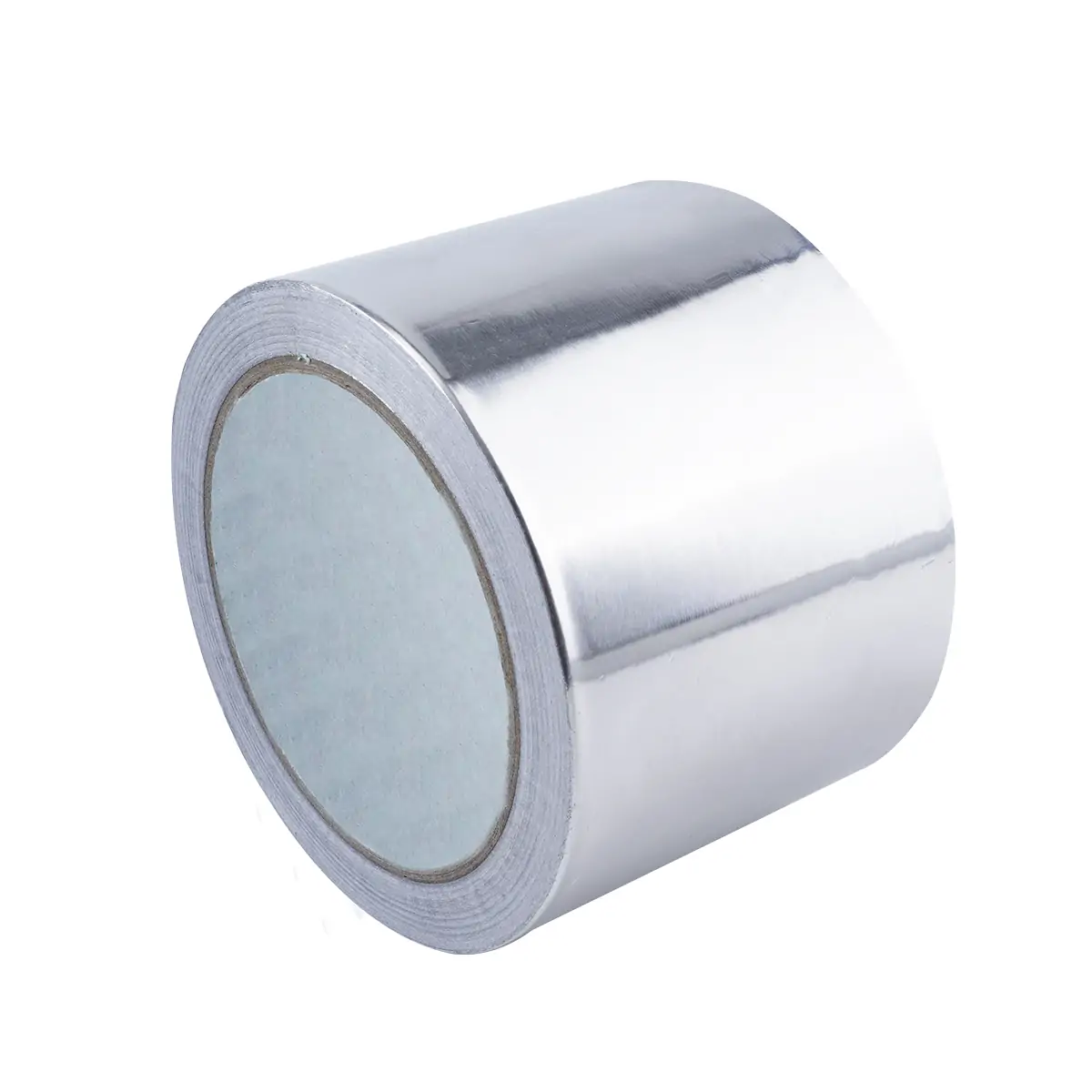
- Joint sealing materials (aluminum foil tape / PU sealant)
- Finishing layer (mortar, coatings, metal cladding, or other surface finishes)
Industry feedback indicates that systems with T&G joints combined with aluminum-foil sealing offer better airtightness, moisture resistance, and overall stability.

2. Wall Insulation Board Installation Procedure
1. Substrate Preparation
Before installation, ensure the wall substrate is suitable for bonding:
- Remove dust, oil, and loose materials
- Apply a primer if needed
- Ensure the wall is flat, solid, and dry
Better surface flatness improves adhesion and the airtightness of the insulation system.
2. Adhesive Application
Apply adhesive evenly on the back of the insulation board using:
- Strip application
- Dot application
- Combination pattern
Typical coverage ranges from 40–60%, depending on wall conditions.
3. Panel Installation
Install insulation boards from bottom to top:
- Press firmly to ensure full adhesion
- Maintain horizontal and vertical alignment
- Use staggered joints to reduce thermal bridging
- Ensure tongue-and-groove joints fully lock for structural consistency
Staggered installation combined with T&G joints significantly improves system performance.
4. Mechanical Fixing
After initial curing of the adhesive, install mechanical fixings:
- Concrete walls: insulation anchors
- Lightweight walls: screws with plates
- Typical fastener density: 4–6 pcs/m²
Countersunk fasteners help maintain a flat surface for later finishing.
5. Joint Sealing & Finishing
For long-term moisture control and durability:
- Seal joints with aluminum foil tape
- Apply PU sealant where additional airtightness is required
- Finish with coatings, mortar layers, or metal cladding
Foil sealing is one of the critical steps that prevents condensation and moisture ingress.


3. PU Board Wall System Advantages
1. Excellent and Stable Thermal Performance
Closed-cell insulation ensures long-lasting heat resistance and reduced energy loss.
2. Superior Moisture Resistance
Aluminum-foil facing combined with PIR/PU cores provides outstanding vapor protection.
3. Fast & Convenient Installation
Boards are easy to cut and install, minimizing construction time.
4. Lightweight System
Much lighter than traditional wet-applied insulation systems.
5. Improved Wall Flatness
T&G connections enhance panel alignment and surface uniformity.
6. Widely Adopted in Modern Construction
Ideal for exterior walls, interior retrofits, warehouse cladding, and building envelopes.

Boost Your Project Performance with GFI PIR/PU Insulation Boards
GFI manufactures high-performance PIR/PU insulation boards engineered for superior thermal efficiency, improved airtightness, and long-term durability.
If you are looking for:
- Reliable insulation for exterior or interior wall systems
- Stable λ-values and consistent closed-cell quality
- Aluminum-foil faced panels with excellent moisture resistance
- Fast delivery and customizable sizes
GFI can supply complete insulation solutions tailored to your project needs.
👉 Contact GFI today to get specifications, samples, and pricing for PIR/PU insulation boards. Your project’s thermal performance starts with choosing the right insulation — choose GFI.

联系我们
请给我们留言,我们的团队会尽快回复您。.