
 Chinese
  Arabic
  English
  French
  German
  Portuguese
  Russian
  Spanish
  Thai
Thai  Vietnamese


PU和PIR预绝缘风管安装中的防潮保护
Pre-insulated ducts made from PU (polyurethane) and PIR (polyisocyanurate) foam panels are widely used in HVAC systems for their lightweight structure, excellent thermal insulation, and quick installation.
However, like any duct system, they are vulnerable to moisture and condensation problems if not properly designed and installed. Ensuring effective moisture protection is key to maintaining both performance and durability.

Why Moisture Protection Matters
Moisture infiltration can cause:
- Condensation and dripping inside ceilings or wall cavities.
- Reduced insulation efficiency, as wet foam loses thermal resistance.
- Mold and bacterial growth, affecting indoor air quality.
- Structural damage to panels if water penetrates joints over time.
For PU and PIR pre-insulated ducts, proper sealing and installation techniques can eliminate these risks and extend system lifespan.

Common Sources of Moisture Issues
- Poorly sealed joints that allow humid air to enter.
- Temperature differences between supply air and surrounding spaces, causing condensation.
- Improper ceiling installation without considering drainage or ventilation.
- Damage to aluminum foil cladding during transport or installation.
Best Practices for Moisture Protection
1. Proper Joint Sealing
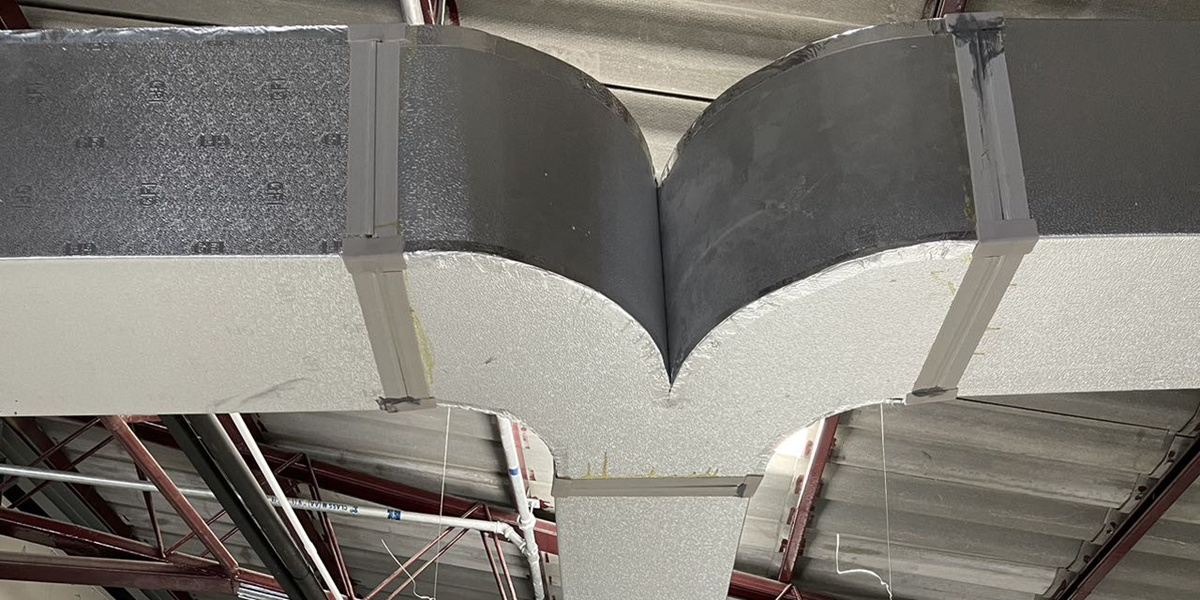
- Apply aluminum tape and sealant on all duct connections.
- Use double sealing methods in high-humidity environments.
- Inspect joints during installation to ensure airtightness.
2. Use of Protective Cladding
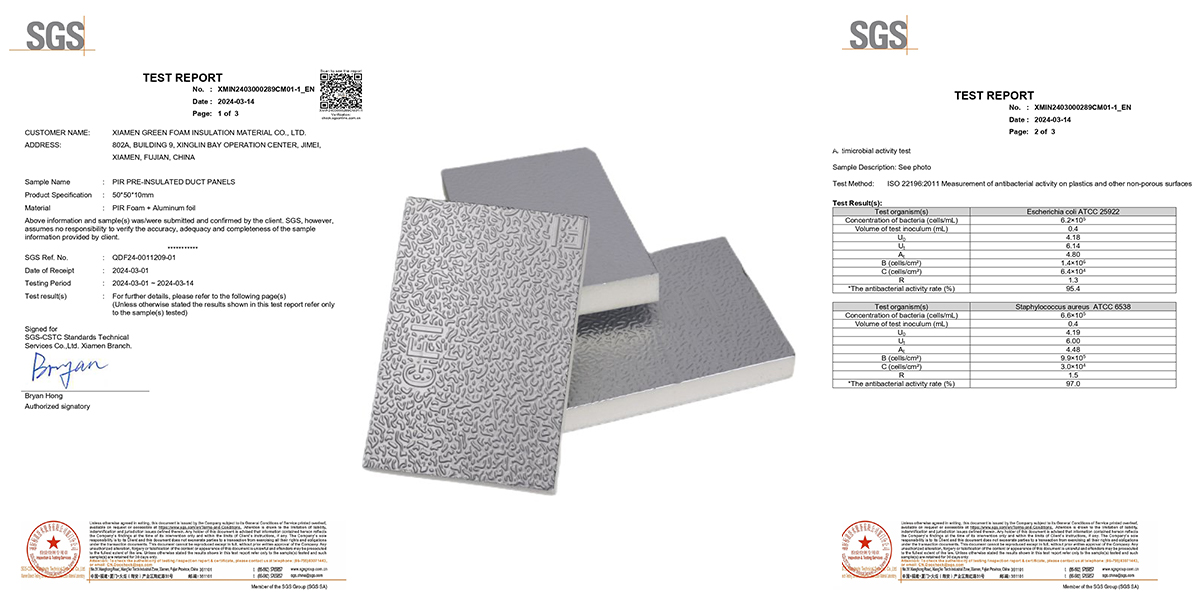
- PU and PIR panels are coated with aluminum foil, which acts as a vapor barrier.
- Handle panels carefully to avoid scratches or punctures.
- In exposed areas, consider an extra protective coating for durability.
3. Ceiling Installation Considerations
- Ensure adequate space for ventilation around ducts in concealed ceilings.
- Provide drainage solutions in case of unexpected condensation.
- Avoid compressing ducts with ceiling structures, which may damage seals.
4. Routine Inspection and Maintenance
- Conduct periodic checks for signs of condensation, especially around dampers and diffusers.
- Repair damaged cladding immediately with aluminum repair tape.
- Replace sealing materials if they lose adhesion over time.
结论
Moisture protection is an essential part of PU and PIR pre-insulated duct installations. By ensuring proper sealing, careful handling of aluminum cladding, and smart ceiling integration, HVAC systems can maintain airtightness, thermal efficiency, and long-term reliability.
GFIDuct provides high-quality PU and PIR pre-insulated duct panels designed with excellent vapor barriers, making them the ideal solution for projects where energy efficiency and moisture resistance are critical.
联系我们
请给我们留言,我们的团队会尽快回复您。.