
 Chinese
  Arabic
  English
  French
  German
  Portuguese
  Russian
  Spanish
  Thai
Thai  Vietnamese

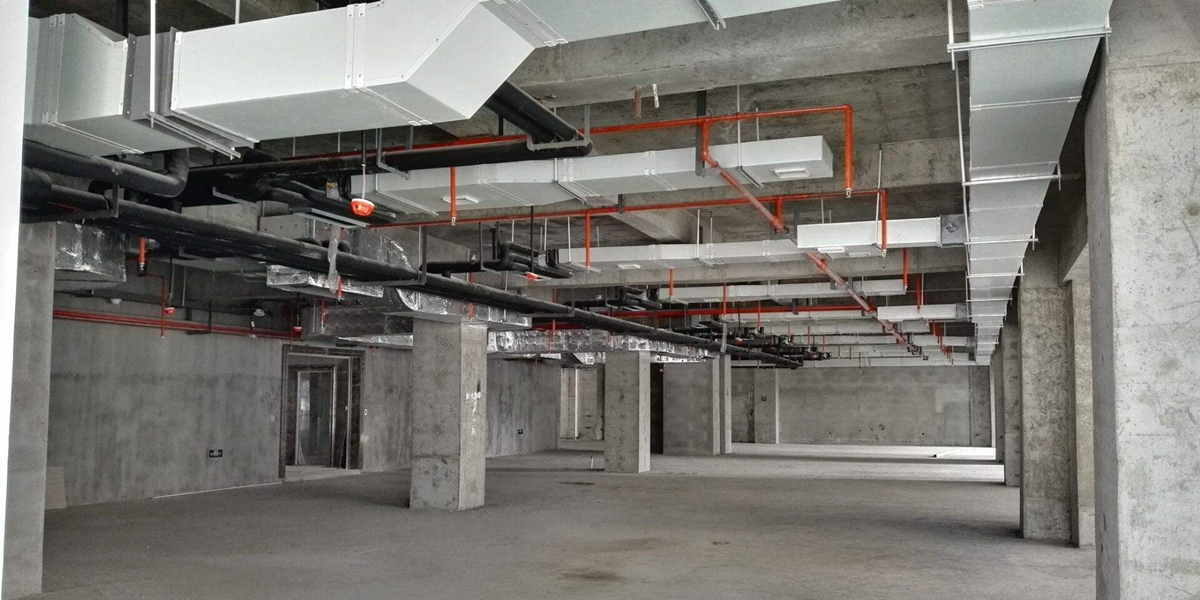
The Importance of HVAC Duct Systems
As construction projects continue to develop, HVAC systems play a critical role in maintaining indoor comfort and healthy environments. Ductwork, as a core component of HVAC systems, directly affects system performance through its construction quality and material selection. This article summarizes key HVAC duct construction techniques used in building projects and analyzes the characteristics of different duct types, providing practical guidance for professionals involved in HVAC design and installation.

Characteristics of HVAC Ducts
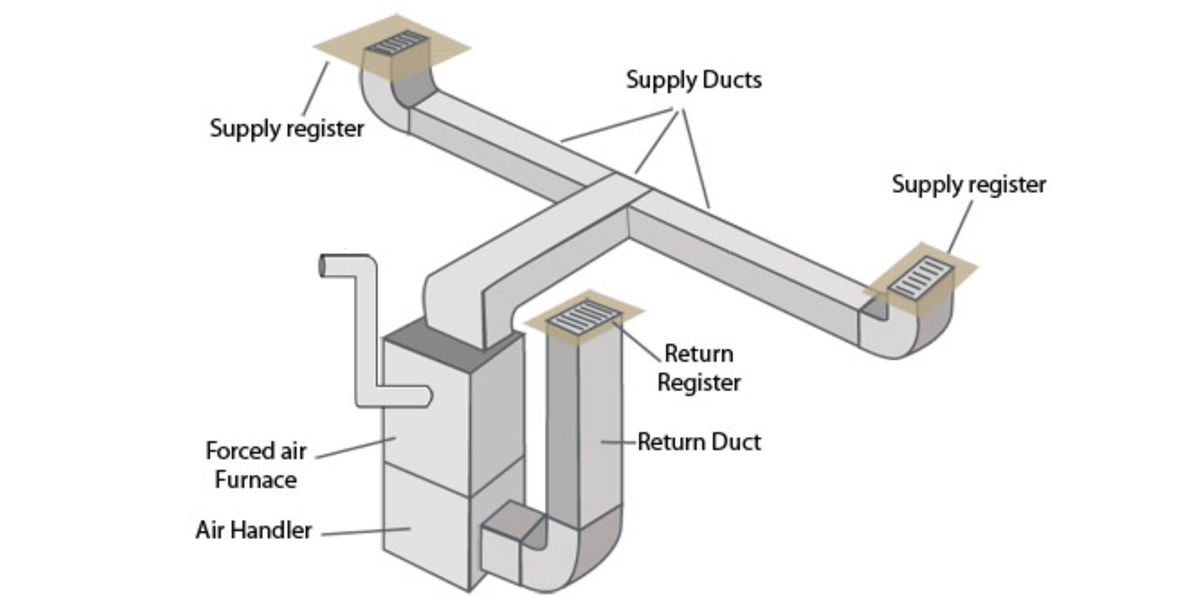
HVAC ducts are important components of buildings used to transport air, heat, and humidity. They play a key role in providing a comfortable temperature, fresh air, and appropriate humidity indoors. The following are the characteristics of HVAC ducts:
- Ventilation Function: The HVAC duct system exchanges and circulates fresh air and expels stale air, improving indoor air quality, reducing the accumulation of harmful substances, and maintaining a fresh indoor environment.
- Heating and Cooling Function: In winter, the duct system can transport heated air to provide comfortable indoor temperatures. By controlling air flow speed and temperature, ducts can achieve precise temperature control in different rooms, improving energy efficiency.
- Safety and Durability Requirements: HVAC ducts are designed with special materials and structures to meet safety, durability, soundproofing, and fire resistance requirements. The system must account for air resistance, pressure loss, and other factors to ensure effective airflow within the ducts.
- Rational Layout and Stability: HVAC ducts must be arranged reasonably according to the building’s structure and functional requirements. The ducts should avoid collisions with other equipment and structures to ensure system stability and safety.● Energy Efficiency and Environmental Benefits: The HVAC duct system can reduce energy consumption by optimizing design and adopting
Energy-saving measures are increasingly emphasized in HVAC system design, such as the use of high-efficiency heat exchangers and energy-saving fans to reduce overall energy consumption. In recent years, pre-insulated ducts have been widely adopted in modern HVAC systems due to their integrated thermal insulation. By reducing heat loss and limiting condensation, pre-insulated duct systems help improve energy efficiency and support more stable system operation.
HVAC Duct Construction Technology in Building Projects
1. Preliminary Preparations
Before duct construction, the design plan should account for key parameters such as airflow, air velocity, duct dimensions, and material selection, in accordance with relevant standards. A well-planned duct layout supports efficient system operation and indoor comfort. Based on the finalized design, suitable duct materials—including metal, non-metal, and insulation materials—should be selected according to environmental conditions, such as temperature and humidity, while ensuring compliance with required quality and specification standards to support smooth project execution.

2. Duct Layout and Support Installation
During duct layout, duct routes, dimensions, and installation heights should be determined according to the design drawings to ensure compatibility with both HVAC requirements and building structures. The layout should also avoid major structural elements and other service pipelines to maintain smooth airflow and an orderly installation.
Support type and spacing should be selected based on duct size, material, weight, and operating pressure. Prior to installation, the load-bearing capacity of the building structure should be evaluated to confirm suitable support locations and determine whether reinforcement is required.
Duct supports must be securely installed to maintain long-term stability. Proper support brackets and connection methods should be used to safely transfer duct loads, while corrosion-resistant treatment helps extend service life and ensure reliable operation.
3. HVAC Duct Fabrication and Installation
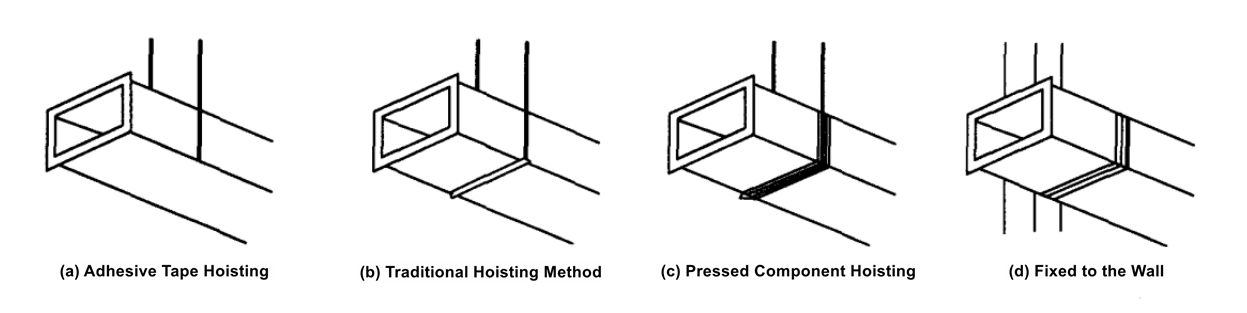
When fabricating and installing ducts, materials must be cut, bent, welded, and processed as per the design plan and actual requirements to produce ducts that meet the required dimensions and shapes. To ensure tight connections and sealing, appropriate connection methods such as welding, threaded connections, and flange connections should be used.
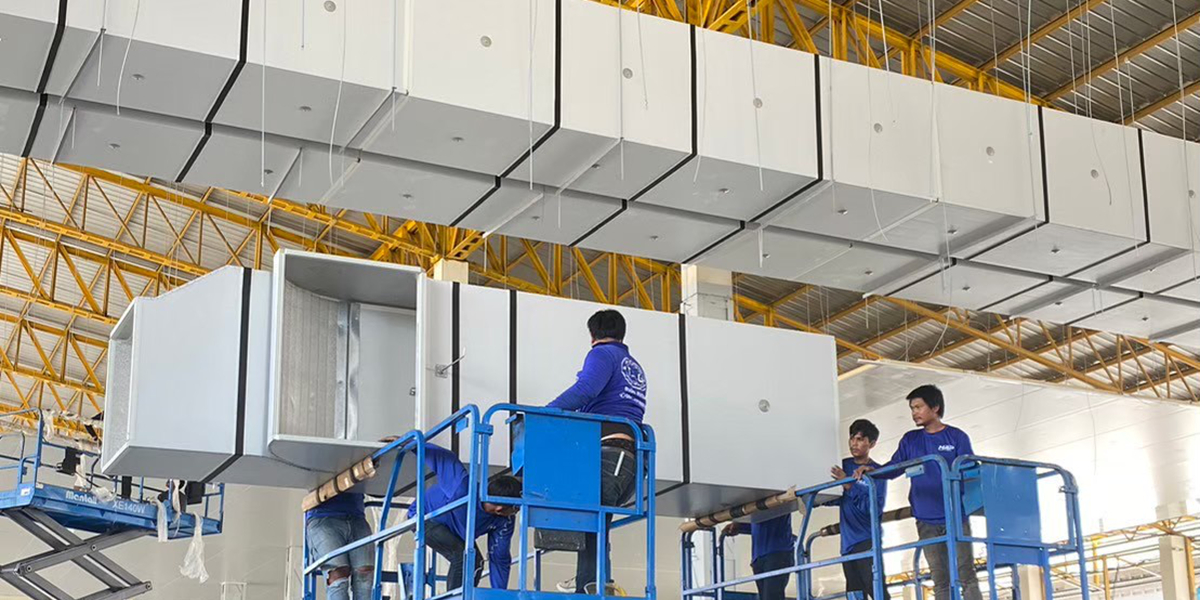
During installation, duct should be installed section by section onto the supports according to the layout plan, ensuring the ducts’ level and verticality to guarantee stability and normal operation. At the same time, care should be taken to avoid bending, twisting, or damaging the duct to ensure their integrity and safety.
为了 pre-insulated duct, particular attention should be paid to the sealing of joints. Since pre-insulated duct have excellent thermal insulation properties, their joints, elbows, and other connections should be sealed to minimize energy loss.
4. Insulation and Protection
Insulation and protection reduce energy loss and prevent condensation. When selecting insulation materials and protecting duct, several key factors should be considered to ensure construction quality and system reliability.
Common insulation materials used for duct include polyethylene foam, mineral wool, and glass wool. Choosing the right insulation material is essential for achieving the desired insulation effect. The thermal conductivity of the material determines its insulation performance, with lower conductivity leading to better insulation. In high-temperature environments, the fire resistance of insulation materials is crucial.
The durability of the insulation material directly affects its service life. Selecting long-lasting materials reduces the frequency of maintenance and replacement. Environmental impact should also be considered when selecting insulation materials, with priority given to eco-friendly, non-toxic, and pollution-free options.
Additionally, the thickness of insulation materials should be chosen according to the duct size and project requirements. By calculating heat loss and energy-saving effects, the optimal thickness can be determined to achieve the expected insulation effect.
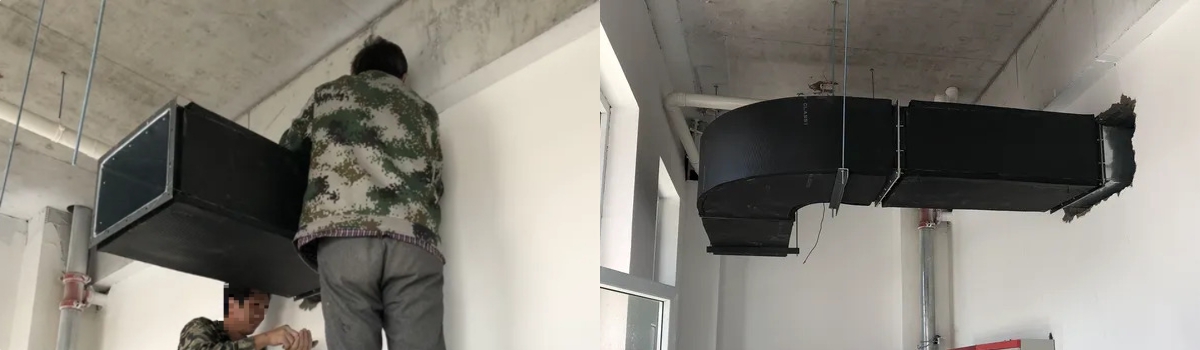
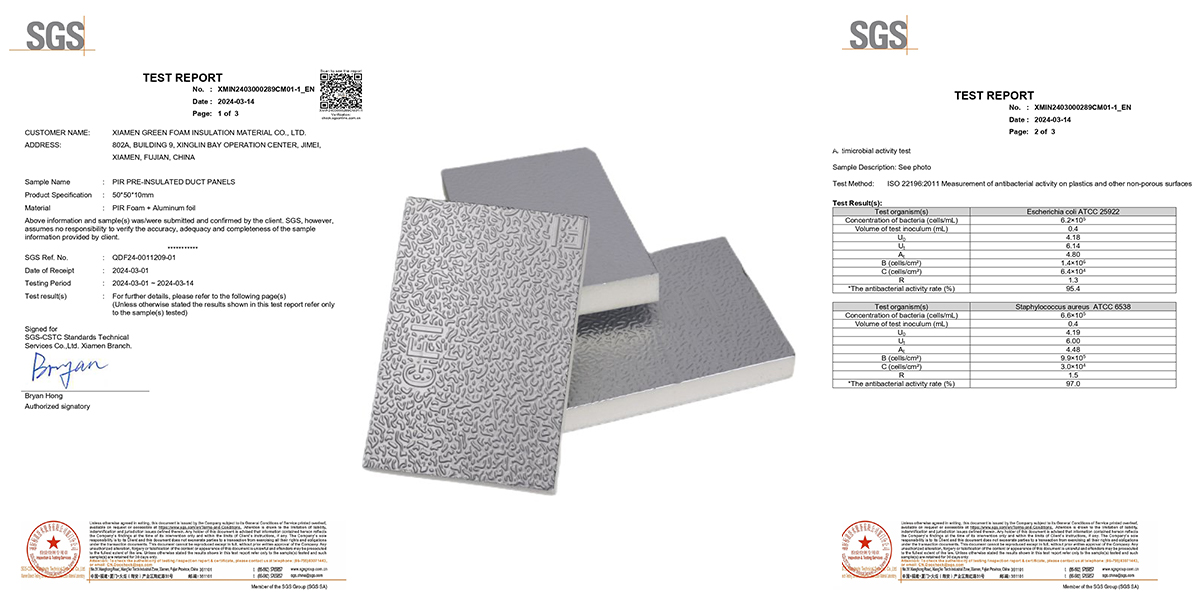
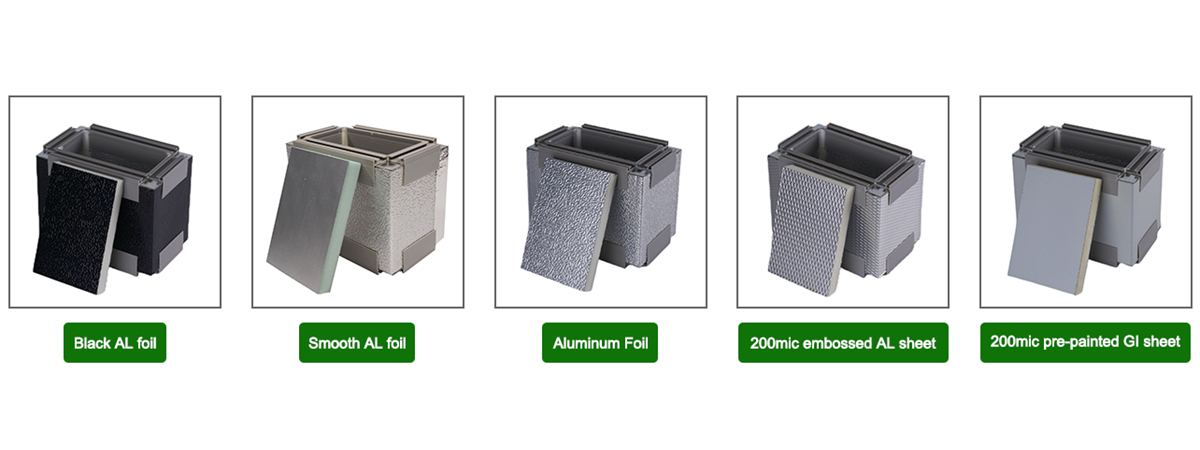
At GFI HVAC, our advanced 预绝缘风管板 deliver superior thermal insulation performance, ensuring energy efficiency and enhanced system reliability for commercial and industrial HVAC projects. Our panels are manufactured with high-quality PIR and PU foam cores combined with protective coatings, offering excellent thermal conductivity and moisture resistance. Their lightweight yet durable design reduces installation time and maintenance efforts, making them an optimal choice for energy-saving HVAC solutions.
5. Testing and Debugging
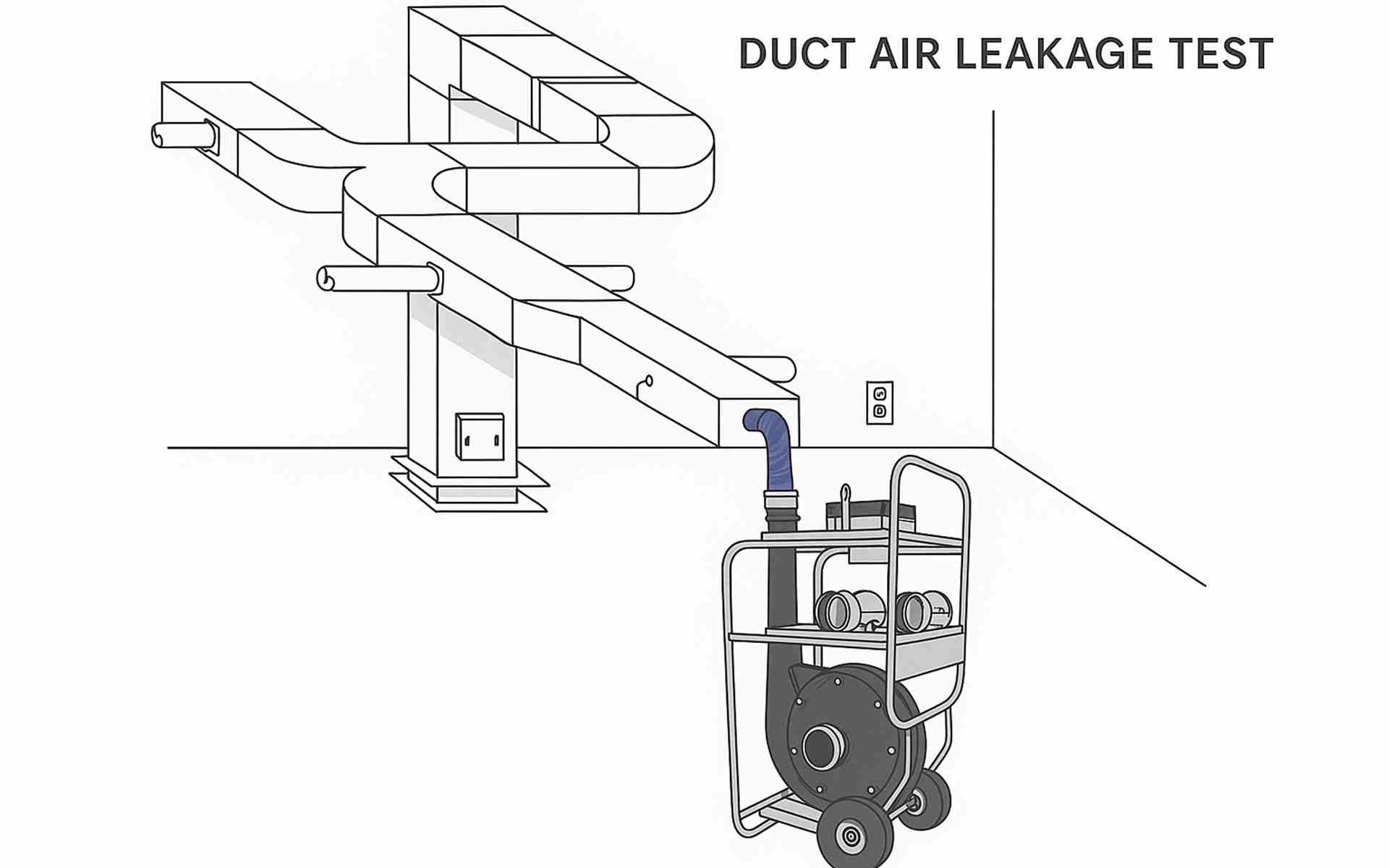
Testing and debugging ensure the quality and proper functioning of the entire system. Leak testing is an essential step to check whether the duct connections are firm and leak-free. Before testing, all valves and fans should be closed, and the control system’s interference removed. Then, appropriate methods should be used to pressurize the system to verify whether any leaks are present. Pressure gauges and visual inspection of the joints can help determine if there are any leaks.
Air tightness tests ensure the entire duct system is sealed well to avoid energy loss and unnecessary air movement. Before testing, all fans and valves should be closed, and the system should be in a stationary state. Then, air testing instruments should be inserted at suitable points to check the system’s air tightness. If the test shows no leaks, the system can be confirmed to meet the air-tightness standard.
During debugging, system parameters like airflow, wind speed, and temperature should be checked to ensure they meet design requirements. Technicians must examine each component’s operation and adjust parameters to optimize the system’s performance.
结论
The construction technology of HVAC ducts in building projects is crucial for ensuring system stability, improving indoor air quality, and enhancing comfort. Through proper design, material selection, construction, and testing, the operational effectiveness and economic benefits of the ducts can be maximized. To achieve this, careful consideration must be given during the design phase to ensure quality control at every stage.
As a leading provider of HVAC solutions, GFI Duct is committed to delivering high-quality HVAC ducts and components to global customers. We offer comprehensive support from design to construction, from material selection to installation, ensuring that every project runs smoothly and achieves optimal results. Whether it’s PIR pre-insulated ducts, aluminum foil-lined ducts, or various duct accessories, GFI Duct leverages years of industry experience to provide innovative, energy-saving solutions. In the future, we will continue to adhere to a quality-first principle, constantly optimizing our products and services to support the success of more building projects.
As HVAC duct construction technology progresses, it is essential to continue focusing on technological advancements and environmental protection to enhance system intelligence, energy efficiency, and environmental performance. Choose GFI Duct, and you’ll have a reliable partner to drive the industry’s growth.
联系我们
请给我们留言,我们的团队会尽快回复您。.