
 Vietnamese
  Arabic
  Chinese
  English
  French
  German
  Portuguese
  Russian
  Spanish
  Thai
Thai 

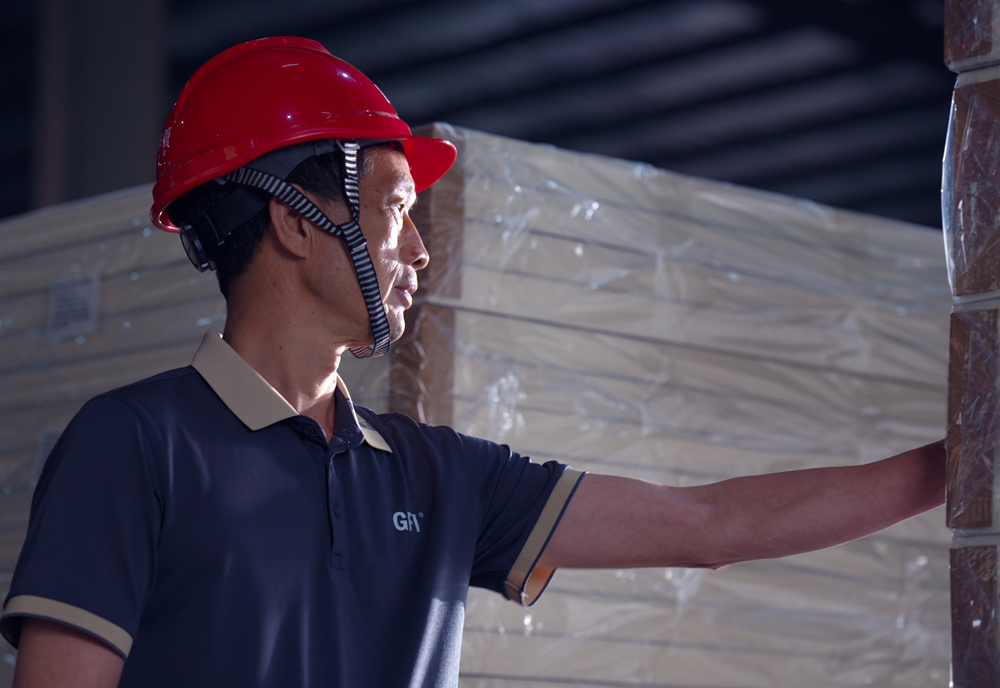
Are you choosing the right density for your PIR foam insulation?
Many people assume that higher density means better insulation — but when it comes to PIR (Polyisocyanurate) foam boards, this common belief doesn’t tell the full story. Using too dense or too light PIR panels can actually hurt your building’s energy efficiency and increase costs.
In this article, we’ll uncover the truth about PIR foam density, why it matters, and how to pick the optimal density range to get the best thermal performance and value for your project.
Understanding PIR Foam vs. Other Insulation Materials
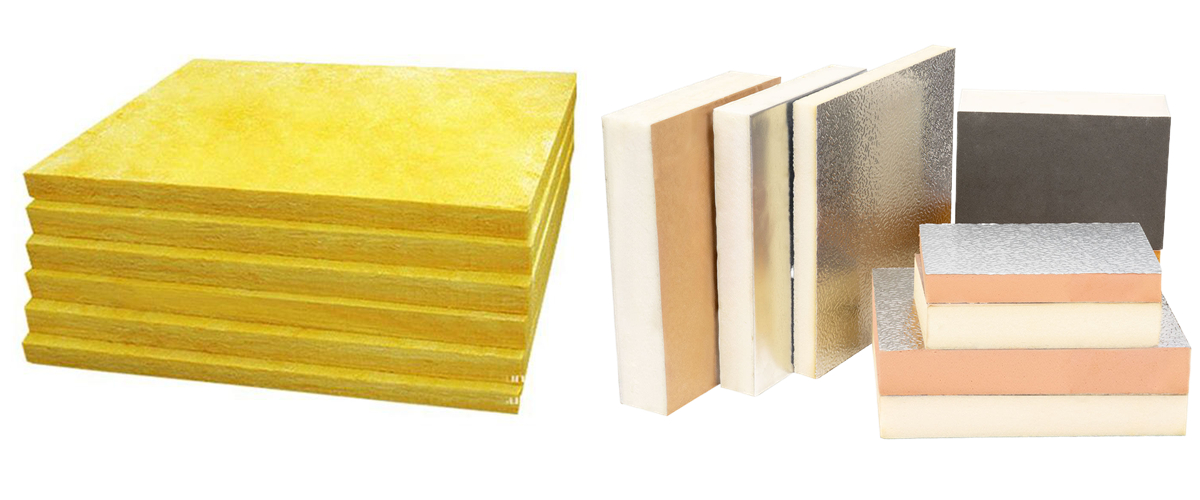
Unlike glass wool or fiberglass—which are made of loosely packed fibers—PIR foam has a closed-cell structure. This means it traps tiny sealed air pockets inside a rigid polymer matrix. These sealed cells prevent heat transfer by blocking convection and radiation, making PIR foam highly efficient at insulating.
So what role does density play?
- For glass wool, increasing fiber density reduces heat flow.
- For PIR foam, density affects the size and number of closed cells, but more density doesn’t automatically mean better insulation.
Why Too High or Too Low Density Hurts Thermal Performance
- Too Low Density (< 40 kg/m³): The foam becomes too porous, with larger voids that allow heat to move by convection inside the panel. This lowers insulation effectiveness and may reduce mechanical strength.
- Too High Density (> 50 kg/m³): The solid polymer content increases, reducing the number of closed cells. This means heat can conduct more easily through the material, raising thermal conductivity. Plus, denser panels are heavier and cost more.
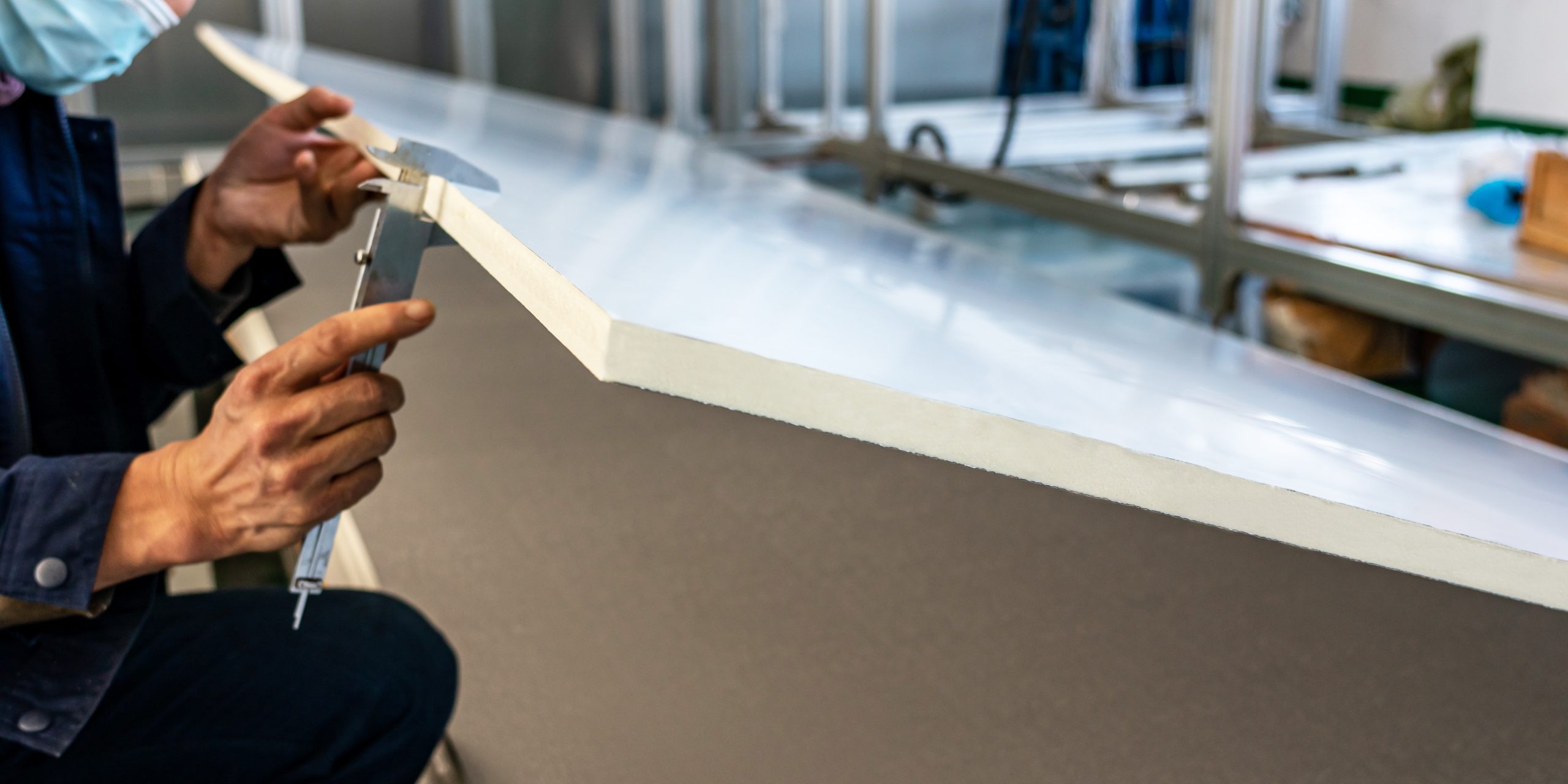
Finding the Optimal Density: Balance Is Key
The best insulation performance comes from balancing:
- Conduction: Heat transfer through solid and gas.
- Convection: Air movement within cells.
- Radiation: Heat emitted between cell walls.
At 40–50 kg/m³, PIR foam insulation panels reach this balance:
- Maintain stable closed-cell structure to block convection
- Minimize solid polymer conduction
- Provide mechanical strength for walls and roofs
- Optimize cost and energy savings
This optimal range is backed by years of GFI’s manufacturing experience and field data.
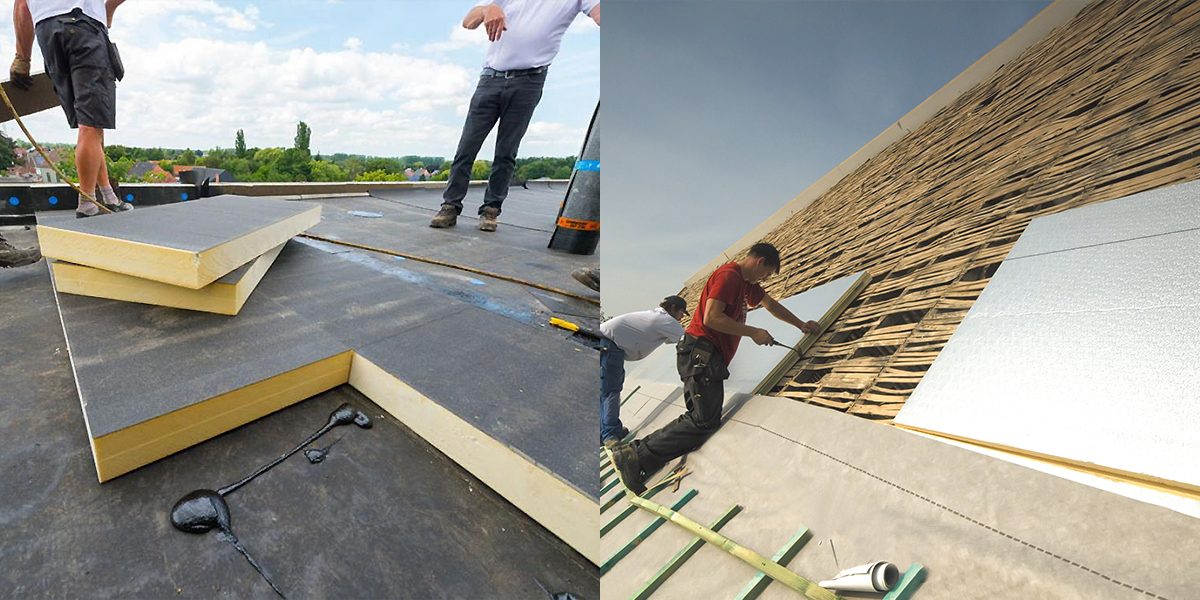
Why Does This Matter to You?
Choosing PIR foam outside the optimal density range can lead to:
- Higher energy bills due to poor insulation
- Increased material and installation costs from heavier panels
- Reduced durability and lifespan of your insulation system
Don’t let density be an overlooked factor that compromises your project’s performance and budget.
Need Help Selecting the Right PIR Foam Density?
At GFI Duct, we specialize in PIR insulation panels designed for modern building needs. Our experts can help you select the ideal density and thickness tailored to your project requirements—maximizing thermal efficiency and cost-effectiveness.
Contact us today for a free consultation and discover how to get the most from your insulation investment.
LIÊN HỆ
Hãy để lại lời nhắn và nhóm của chúng tôi sẽ liên hệ lại với bạn sớm nhất.