
 Thai
Thai  Arabic
  Chinese
  English
  French
  German
  Portuguese
  Russian
  Spanish
  Vietnamese


Green building is growing as industries focus on energy saving and sustainability. Insulation materials play a key role in reducing energy use and improving building performance. PIR insulation (polyisocyanurate insulation) stands out for its strong thermal performance and is widely used in modern construction.
1. Key Characteristics of PIR Insulation
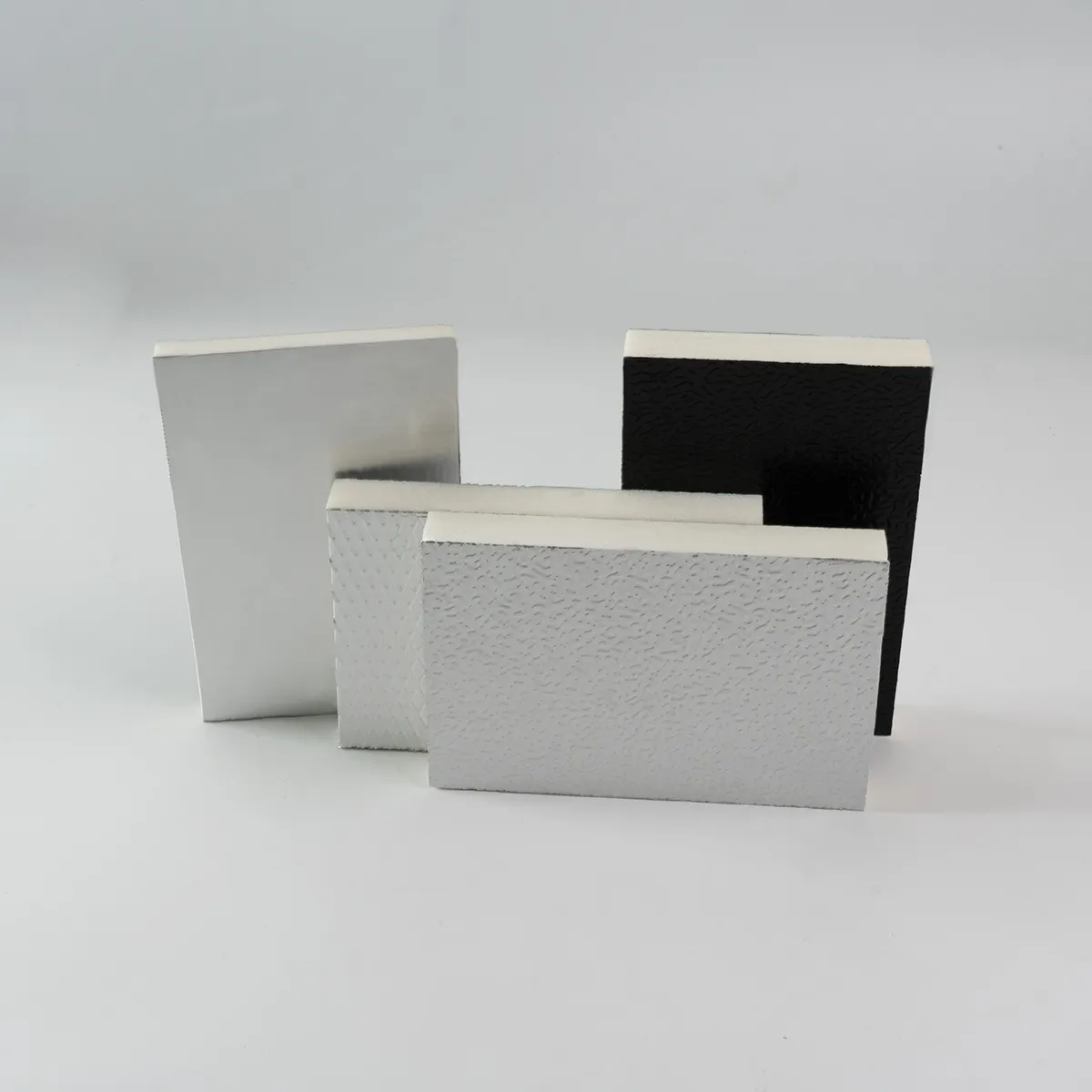
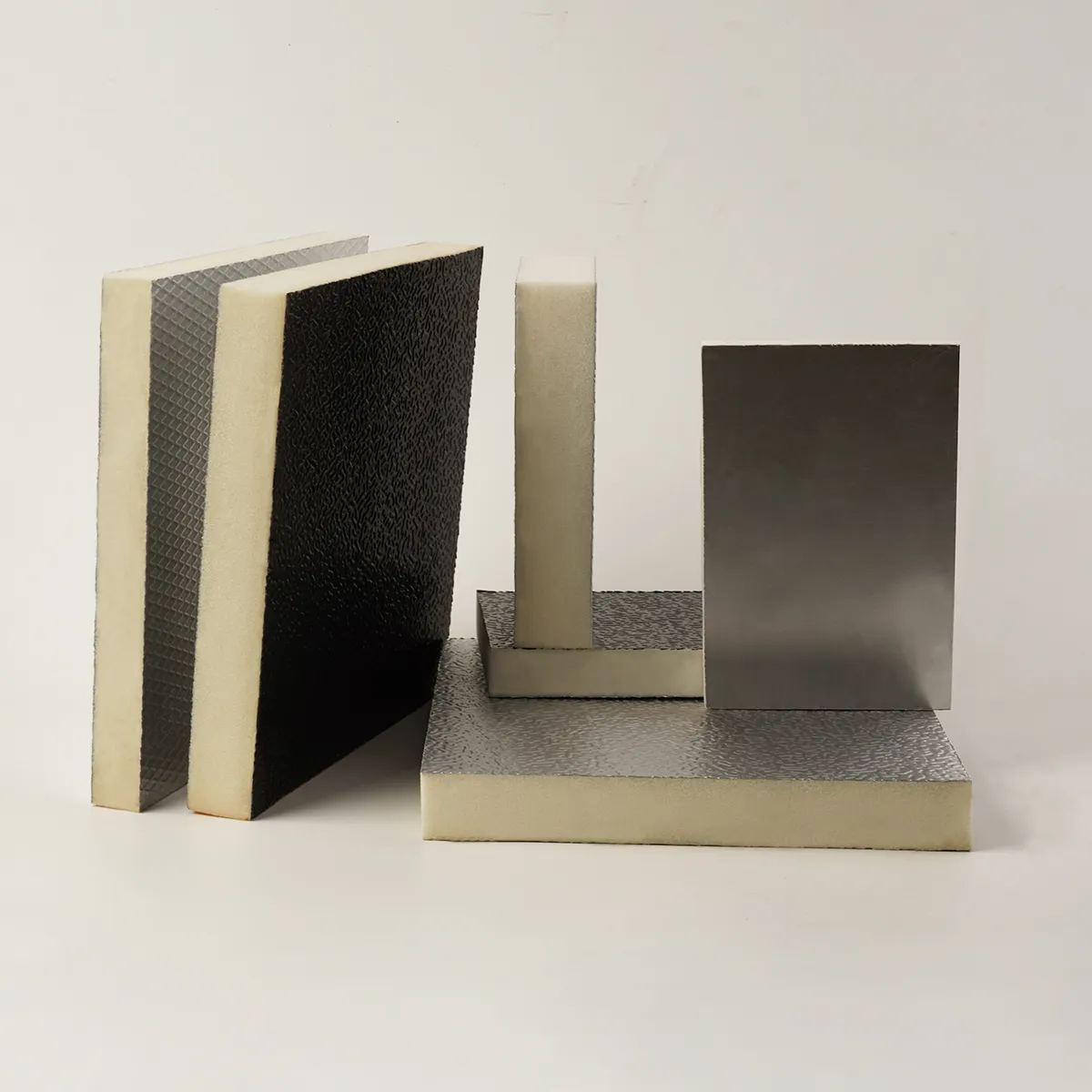
Rigid PIR foam insulation is a rigid closed-cell foam material formed through the reaction of polyisocyanurate. Its uniform and dense internal structure, along with a high closed-cell rate, effectively reduces heat transfer while providing strong structural stability.
2. Core Advantages of PIR Insulation in Green Buildings
1. Superior Energy Efficiency
PIR foam insulation features very low thermal conductivity, allowing it to deliver superior insulation performance at the same thickness. This helps reduce heating and cooling loads and lowers HVAC energy consumption.
Application value:
Improves overall building energy efficiency and supports green building standards.
2. Reduced Carbon Emissions
By lowering energy demand during building operation, Rigid PIR foam insulation contributes to reduced CO₂ emissions, making it an important material for achieving carbon reduction goals.
3. Enhanced Fire Performance
Compared to traditional organic insulation materials, PIR foam insulation offers better thermal stability and fire resistance at high temperatures, improving building safety and meeting green building requirements.
4. Lightweight with High Strength
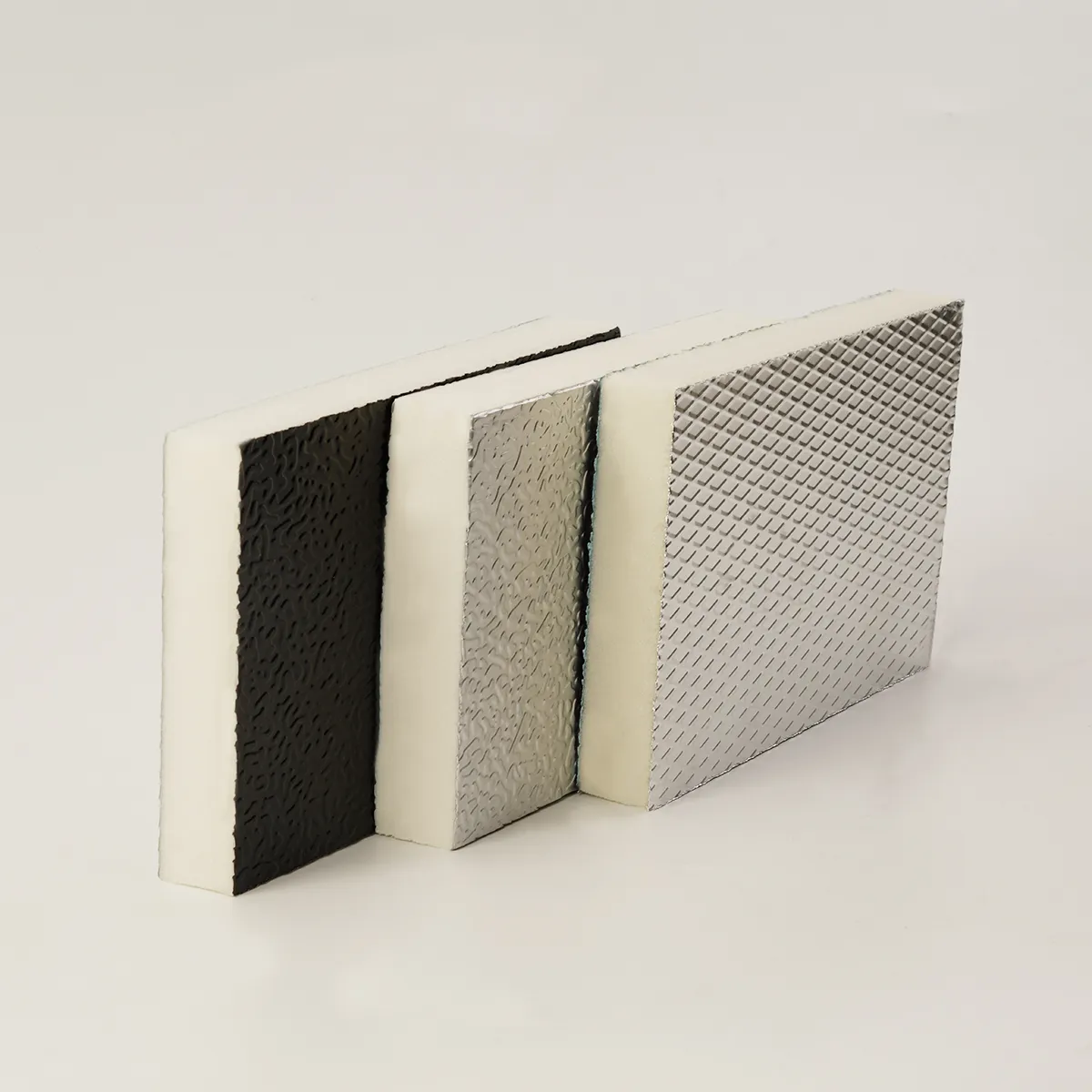
PIR insulation boards are lightweight yet mechanically strong, helping reduce structural loads. This makes them especially suitable for high-rise buildings and large-span structures.
5. Excellent Airtightness and Moisture Resistance
The closed-cell structure minimizes air infiltration and provides strong moisture resistance, helping prevent condensation and improving the durability of the building envelope.
3. Main Applications in Green Buildings
Polyiso insulation is widely used in:
- Exterior wall insulation systems
- Roofing insulation systems
- HVAC systems (duct and pipe insulation)
- Cold storage and cleanroom environments
In HVAC applications, polyiso insulation is often integrated into lightweight composite duct systems, reducing thermal loss during air distribution and improving system efficiency.
4. Advantages Over Traditional Insulation Materials
Compared with conventional materials such as rock wool and glass wool, Polyisocyanurate insulation offers:
- Lower thermal conductivity for better energy savings
- Higher airtightness to reduce energy loss
- Lighter weight for easier installation
- Longer service life with lower maintenance costs
These advantages make Polyisocyanurate insulation more competitive in green building projects.
5. Market Trends and Future Outlook
With the growing adoption of green building certification systems such as LEED and BREEAM, the demand for high-performance insulation materials continues to rise. Polyisocyanurate insulation, with its energy efficiency, safety, and environmental benefits, is becoming a key solution in the building insulation market.
บทสรุป
As green building continues to develop, Rigid PIR foam insulation stands out as a highly efficient and sustainable solution. With its superior thermal performance and overall advantages, it plays a vital role in improving building energy efficiency.
As a professional manufacturer of insulation systems, GFI is committed to providing high-quality PIR insulation products and HVAC solutions, helping customers achieve higher standards in energy efficiency and sustainable construction.
ติดต่อเรา
กรุณาฝากข้อความไว้ ทีมงานของเราจะติดต่อกลับโดยเร็วที่สุด.