
 Russian
  Arabic
  Chinese
  English
  French
  German
  Portuguese
  Spanish
  Thai
Thai  Vietnamese

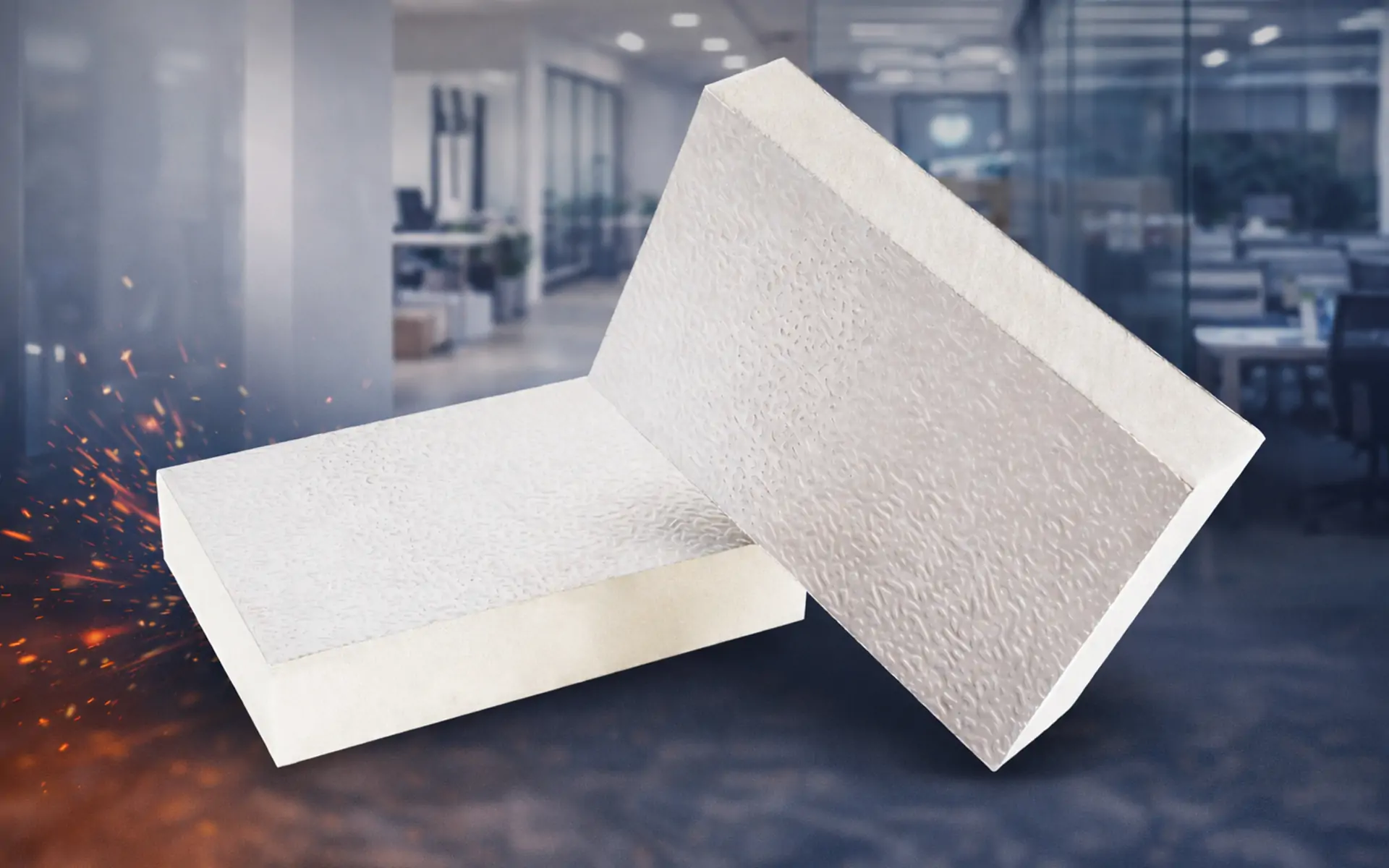
In modern construction and HVAC systems, the selection of HVAC insulation panel materials directly affects building energy efficiency, system performance, and long-term maintenance costs. As building energy standards continue to increase, traditional insulation materials gradually show certain performance limitations. As a result, engineers and project developers increasingly adopt high-performance insulation materials such as polyurethane insulation boards in engineering projects.
So what are the main differences between polyurethane insulation boards and traditional insulation materials? This article explores these differences in terms of material structure, thermal insulation performance, weight, durability, and application areas.

1.Differences in Material Structure
Traditional insulation materials typically include rock wool, glass wool, and rubber foam insulation. These materials usually use fibrous or foamed structures, and their insulation performance mainly relies on the air layers trapped within the material.
Polyurethane insulation boards, on the other hand, use rigid closed-cell foam structures. During the manufacturing process, a chemical reaction forms a uniform and dense closed-cell structure. This process seals air inside numerous tiny foam cells, significantly reducing heat transfer.
Because of this structure, polyurethane insulation boards can generally provide higher insulation performance at the same thickness compared with many traditional insulation materials.

2.Differences in Thermal Insulation Performance
One of the key indicators of insulation materials is thermal conductivity. The lower the thermal conductivity, the better the insulation performance.
Compared with many traditional insulation materials, polyurethane insulation boards usually have lower thermal conductivity values. This means that the same insulation effect can often be achieved with thinner material thickness.
Using thinner insulation layers can reduce space requirements within building structures and decrease the overall weight of the system. This advantage is particularly important in HVAC systems, where duct installations often need to fit within limited mechanical spaces while maintaining structural efficiency.
3.Advantages in Weight and Structural Performance
Traditional insulation materials often require additional protective layers or support structures during installation. Polyurethane insulation boards, however, generally offer higher structural strength, allowing them to be integrated into composite systems.
For example, in pre-insulated HVAC duct systems, polyurethane foam cores are combined with aluminum foil facing to form composite duct panels. These panels can simultaneously provide structural support and thermal insulation, creating a lightweight yet strong duct system.
This integrated design not only reduces the total system weight but also simplifies the installation process.

4.Moisture Resistance and Durability
In long-term building operation, humidity and condensation can affect insulation performance.
Traditional fiber-based insulation materials may lose some of their insulating performance if they absorb moisture. In contrast, polyurethane insulation boards feature a closed-cell structure, which generally provides good moisture resistance and helps maintain stable thermal performance over time.
This characteristic is one of the reasons polyurethane insulation boards are widely used in central air-conditioning systems and building insulation applications.
5.Differences in Application Areas
Traditional insulation materials continue to be widely used in many construction projects, including:
- Pipe insulation
- Equipment insulation
- Certain building envelope applications
However, polyurethane insulation boards are increasingly applied in areas such as:
- Building exterior wall insulation systems
- Roof insulation structures
- Cold storage and cold chain facilities
- Pre-insulated HVAC duct systems
- Industrial equipment insulation
In projects that require high energy efficiency, lightweight structures, and faster installation, polyurethane insulation materials often offer a more competitive solution.
Заключение
As building energy efficiency requirements continue to increase, high-performance insulation materials are becoming increasingly important in both HVAC systems and construction projects.
Compared with traditional insulation materials, polyurethane insulation boards offer clear advantages in terms of thermal performance, weight reduction, and structural integration. Because of these benefits, polyurethane insulation materials are gradually becoming an important insulation solution in commercial buildings, industrial facilities, and central air-conditioning systems.
For engineering projects that need to balance energy efficiency, installation efficiency, and long-term performance, selecting the appropriate insulation material plays a critical role in achieving optimal system performance.
CONTACT US
Оставьте нам сообщение, и наша команда свяжется с вами в ближайшее время.