
 Russian
  Arabic
  Chinese
  English
  French
  German
  Portuguese
  Spanish
  Thai
Thai  Vietnamese

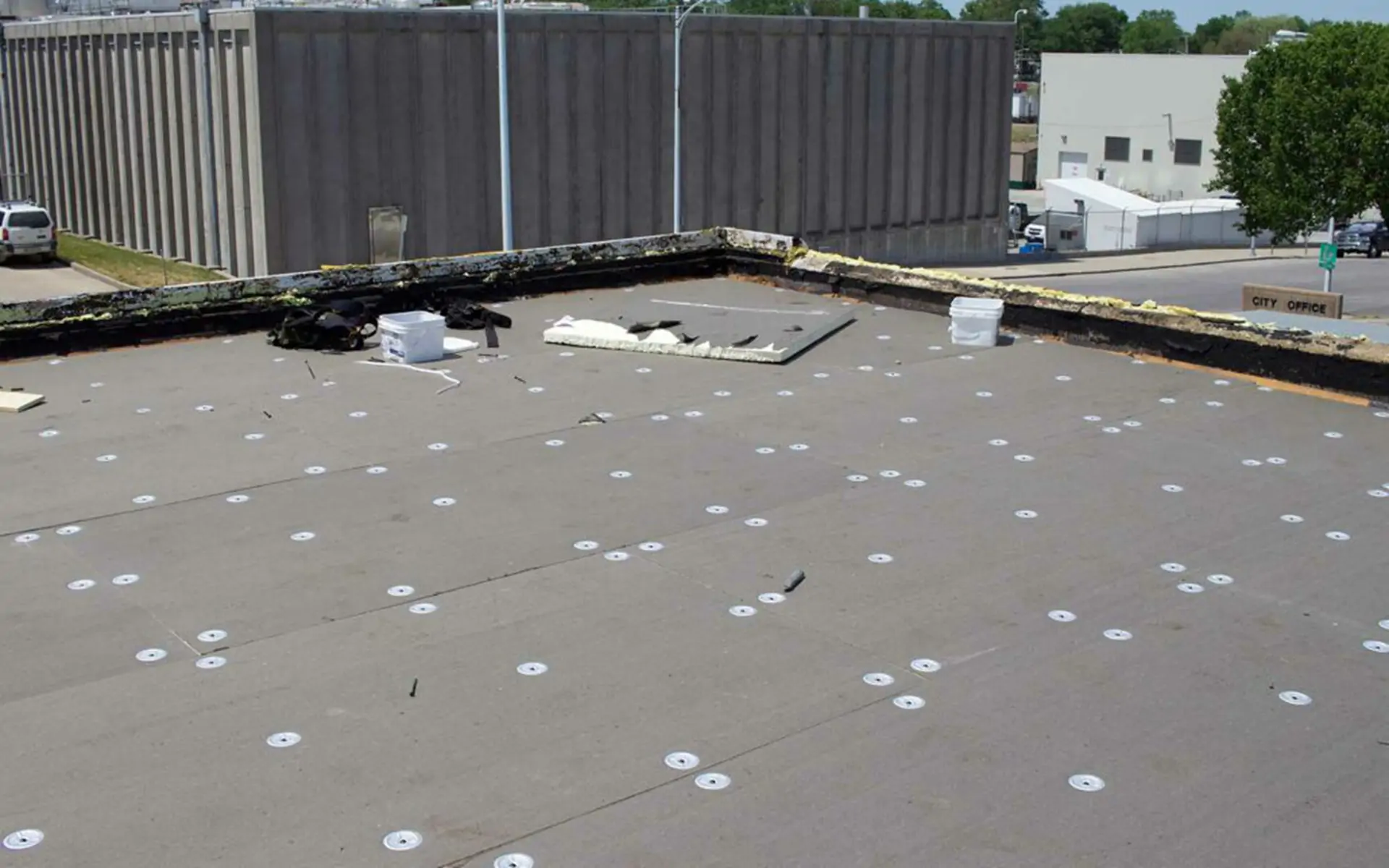
Is PU Foam Insulation Waterproof? What Happens if PU Insulation Gets Wet?
Moisture is one of the most common challenges faced in modern construction and HVAC systems. If insulation becomes wet, its effectiveness may decline, potentially leading to mold growth, structural damage, or increased energy consumption.
For this reason, the question is often asked: “Is PU Foam Insulation truly waterproof?”
At GFIDuct, we specialize in PU Foam Pre-Insulated Ducts and insulation boards, so we understand how critical it is to clarify the water resistance properties of PU insulation in real-world applications.
PU (polyurethane) insulation is a closed-cell rigid foam material. Its cell structure is tightly packed, making it far more resistant to water absorption than materials like mineral wool or fiberglass.
In most cases, short-term water exposure (e.g., rain during transportation or accidental wetting on-site) will not significantly damage PU boards.
The material can usually be dried by wiping or allowing it to air dry. However, if PU insulation is soaked for extended periods (over 24 hours), its thermal resistance (R-value) may decrease, and its structural integrity could be compromised.

Can PU Foam Insulation Be Left Outside?
While PU boards and ducts are moisture resistant, they are not designed for prolonged outdoor exposure without protection.
- Rain & Standing Water: Long-term water contact can infiltrate joints and edges, weakening performance.
- Sunlight & UV Rays: Direct UV radiation degrades the foam’s surface over time, leading to discoloration and embrittlement.
- Temperature Fluctuations: Repeated freezing and thawing may damage the closed-cell structure.
For this reason, PU insulation should always be stored in dry, covered areas. If temporarily placed outdoors, it is advisable to protect it with waterproof coverings or rigid boards.

Are PU Foam Insulation Sheets Waterproof?
The answer is no — PU foam insulation is not completely waterproof, but it is highly water-resistant. Its closed-cell structure prevents water from easily penetrating the material, making it a strong choice for environments where humidity or occasional moisture is expected.
To ensure long-term performance, proper installation is essential. This includes:
- Using vapor barriers where necessary.
- Protecting ducts and boards from direct water exposure.
- Promptly addressing leaks or condensation issues in HVAC systems.
Заключение
PU Foam Insulation is water-resistant but not 100% waterproof. While it withstands short-term moisture exposure better than many other insulation materials, continuous contact with water will reduce its thermal efficiency and durability.
At GFIDuct, our PU Foam Pre-Insulated Ducts and boards are engineered to combine excellent thermal performance with reliable moisture resistance, making them an ideal choice for modern HVAC and building applications.
👉 Looking for durable and efficient duct insulation? Contact GFIDuct today to explore our full range of PU insulation solutions.

CONTACT US
Leave us a message and our team will get back to you soon.