
 Russian
  Arabic
  Chinese
  English
  French
  German
  Portuguese
  Spanish
  Thai
Thai  Vietnamese


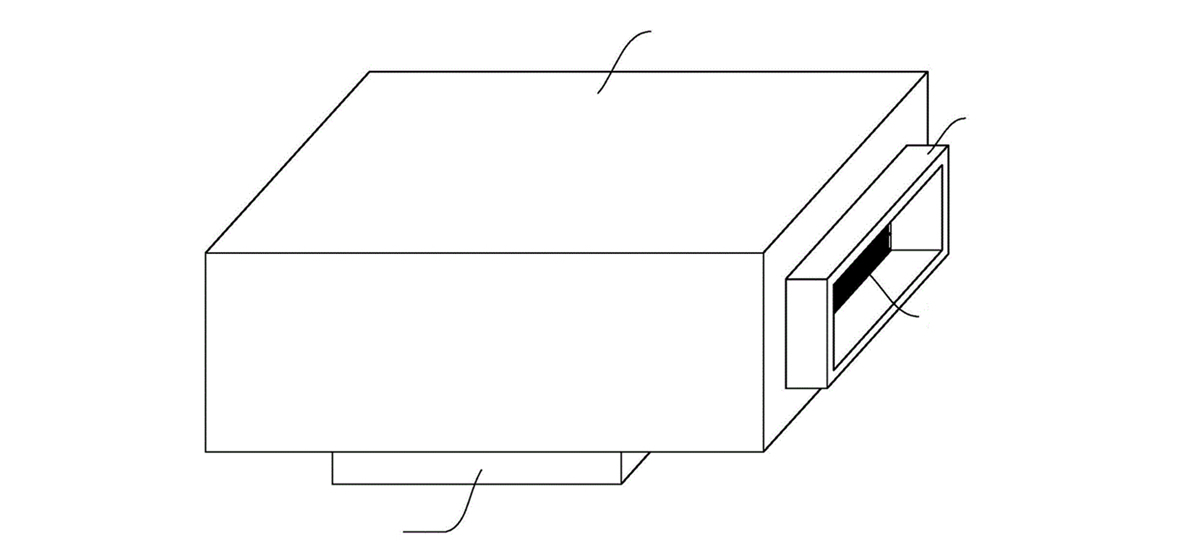
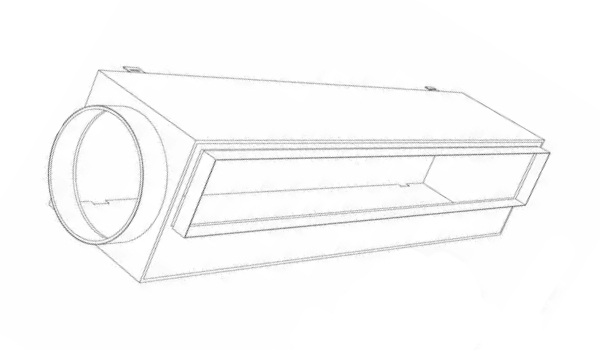
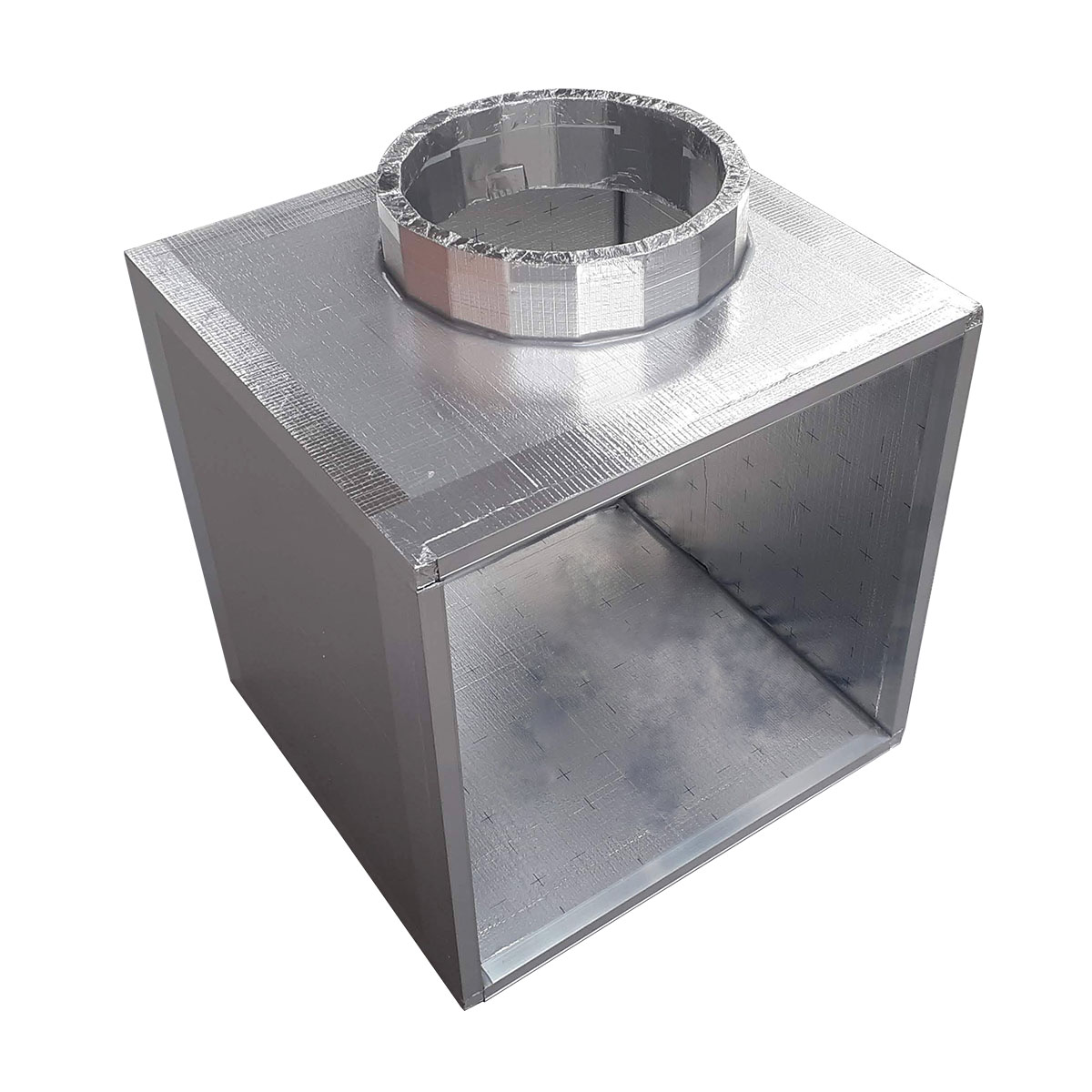
In modern commercial and industrial HVAC systems, air plenum boxes play a crucial role in air balancing, noise reduction, and stabilizing system pressure. Compared with traditional sheet-metal plenums, plenum boxes constructed from Polyurethane (PU) or Polyisocyanurate (PIR) foam insulation panels offer significant advantages in thermal performance, weight reduction, and overall system efficiency. These lightweight insulated structures have increasingly become a preferred alternative in many HVAC projects.
1. Material Structure and Typical Configuration
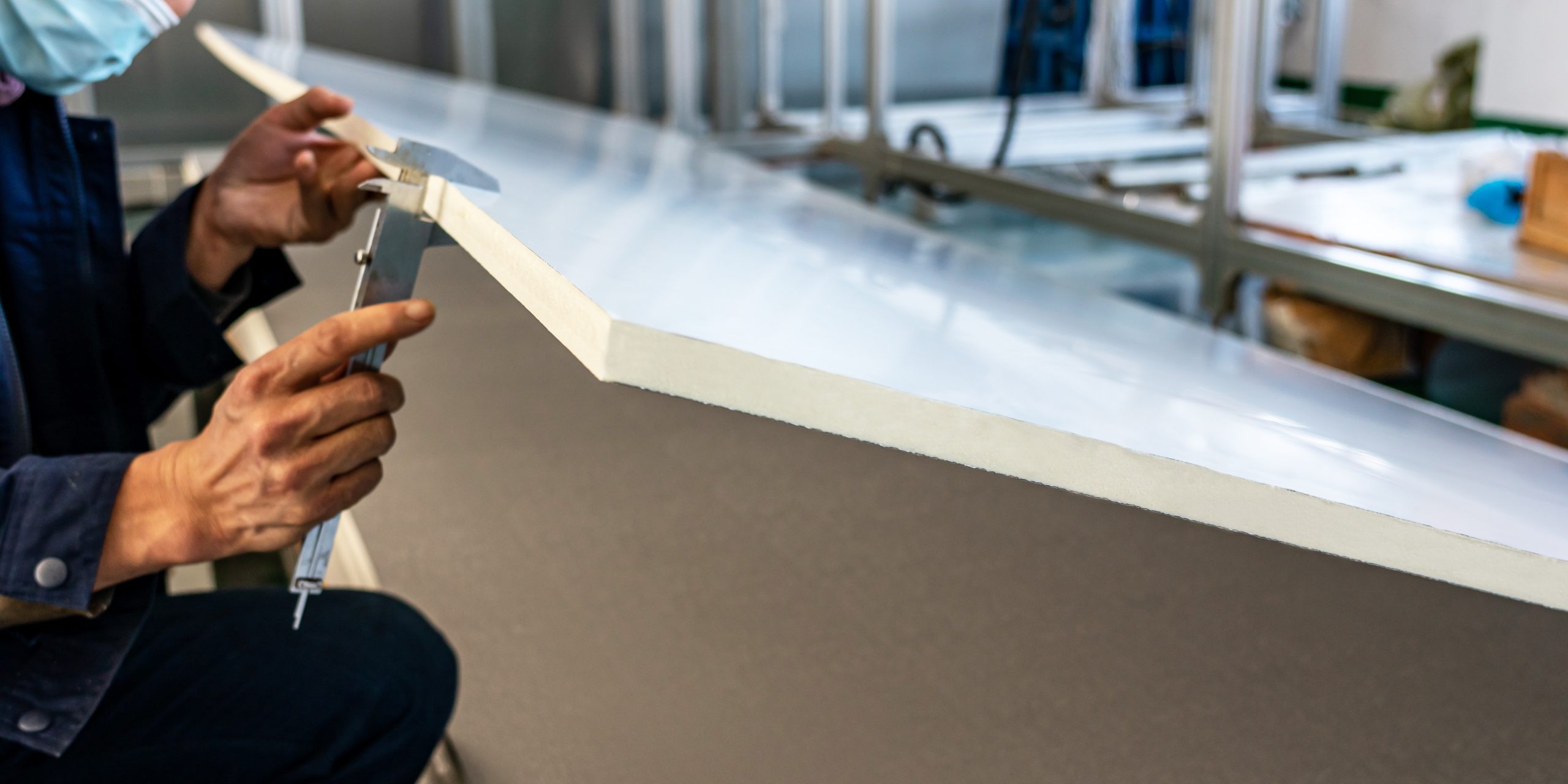
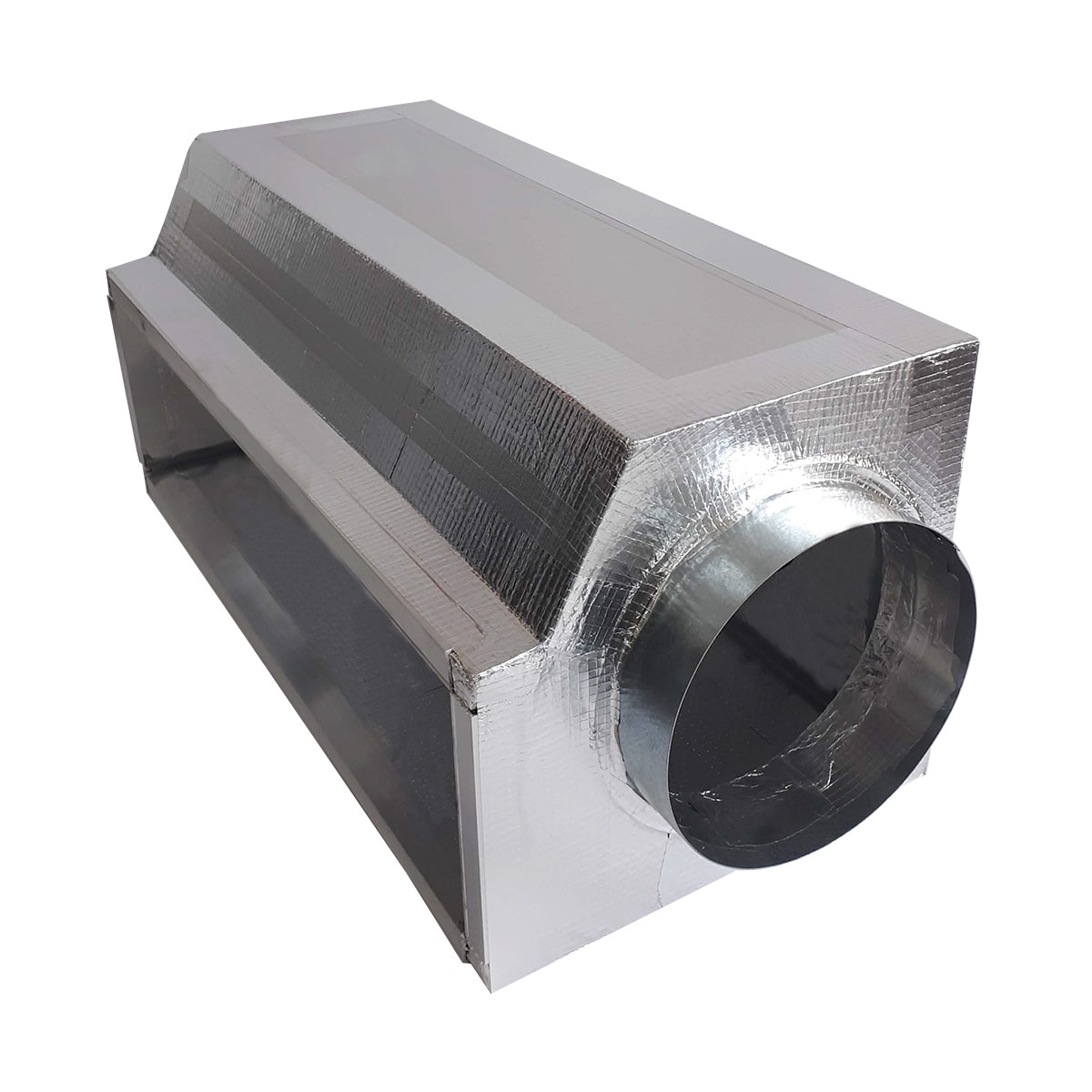
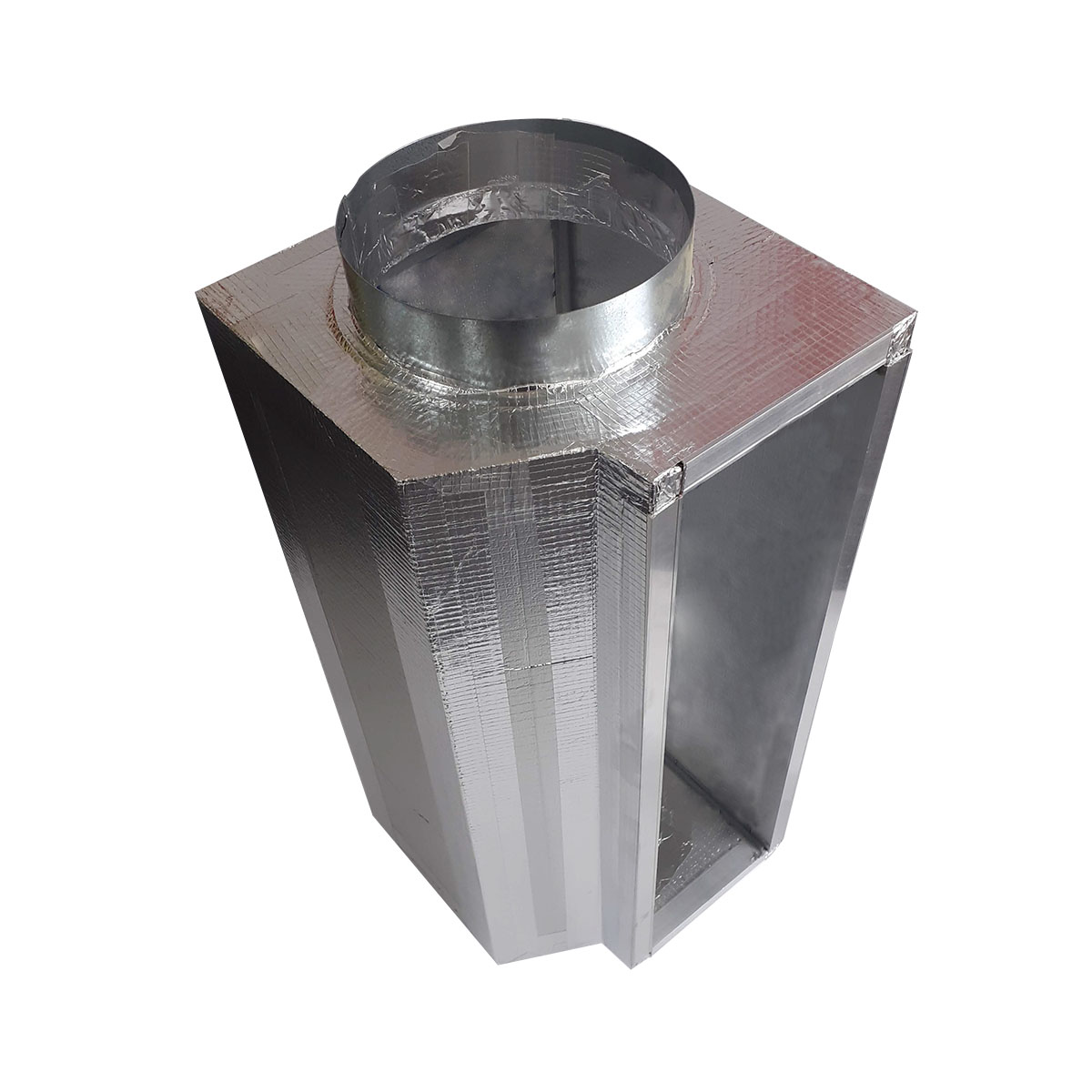
PU/PIR plenum boxes are manufactured using high-density rigid foam panels laminated with double-sided aluminum foil, commonly including durable foil thicknesses such as 80 μm depending on the project requirement.
The plenum body is reinforced using:
- Metal flanges
- Internal and external stiffeners
- Circular or rectangular spigot connectors
These components enhance structural strength, ensuring stability and impact resistance even under continuous airflow and pressure loads.

2. Key Advantages
1) Lightweight Construction for Faster Installation
PU/PIR panels are structurally rigid yet very lightweight, making the entire plenum box easier to cut, handle, lift, and install.
Compared with traditional galvanized sheet-metal plenums, PU/PIR plenums can:
- Reduce ceiling load
- Lower installation labor intensity
- Shorten project installation time
This makes them ideal for commercial buildings, hotels, retail spaces, and office projects.
2) Excellent Thermal Performance for Reduced Energy Loss
The closed-cell foam core provides a low thermal conductivity, significantly reducing heat gain or loss during operation. This helps:
- Prevent condensation on the outer surface
- Improve HVAC system efficiency
- Maintain stable temperature conditions inside the box
The result is long-term, energy-efficient operation across various climate conditions.

3) Strong Fire, Moisture, and Corrosion Resistance
With aluminum foil and optional protective coatings such as epoxy varnish, PU/PIR panels provide:
- Moisture resistance
- Corrosion protection
- Protection from dust and airborne contaminants
- Enhanced fire-resistance characteristics suitable for commercial HVAC use
These features prolong service life and reduce maintenance costs.
4) Superior Acoustic Performance for Quieter Operation
Rigid foam naturally absorbs sound, helping reduce return-air turbulence noise and mechanical equipment sound.
This makes PU/PIR plenum boxes well-suited for:
- Offices
- Hotels
- Schools
- Public buildings
where acoustic comfort is essential.

3. Typical Application Scenarios
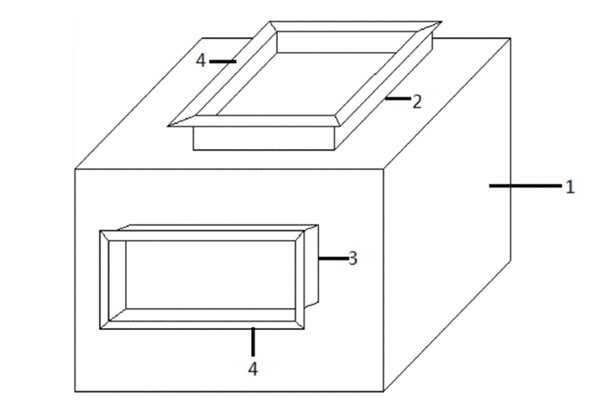
1) Return Air Plenum Boxes
PU/PIR insulated plenums help stabilize return airflow, equalize pressure, and guide air smoothly back to the system.
2) AHU / FCU Equipment Insulation
Thanks to their excellent thermal and moisture performance, PU/PIR panels are ideal for:
- AHU housing insulation
- Return-air or mixing-air chamber sections
- Buffer plenums connected to the equipment
They effectively reduce heat loss, prevent condensation, and improve overall unit energy efficiency.
3) Insulated Equipment Enclosures and Buffer Chambers
PU/PIR insulation panels are also suitable for:
- Pre- and post-damper buffer sections
- Filter housing insulation
- Auxiliary insulated chambers
These applications enhance system stability and improve long-term insulation performance.
4. Why Choose PU/PIR Insulated Plenum Boxes?
Compared with traditional metal plenums, PU/PIR plenum boxes offer:
- Better insulation performance
- Corrosion resistance and extended service life
- Significantly lighter structure for easier installation
- Reduced operating noise
- Improved energy efficiency
PU/PIR pre-insulated solutions are now used extensively in global HVAC projects, especially in buildings that demand energy savings, acoustic comfort, and long-term operational reliability—such as commercial offices, hospitals, hotels, airports, research facilities, and high-end residential systems.
👉 Looking to manufacture high-performance air plenum boxes using PU/PIR insulated panels?
Contact GFI HVAC for technical support, material specifications, and complete HVAC insulation solutions.


CONTACT US
Оставьте нам сообщение, и наша команда свяжется с вами в ближайшее время.