
 Portuguese
  Arabic
  Chinese
  English
  French
  German
  Russian
  Spanish
  Thai
Thai  Vietnamese


In modern HVAC pre-insulated duct systems, the HVAC duct flanges connection system plays a critical role in ensuring duct airtightness and installation efficiency. The two most commonly used types are PVC duct flanges e aluminum duct flanges. They differ in structural strength, durability, and application environments, making proper selection essential for overall system performance.
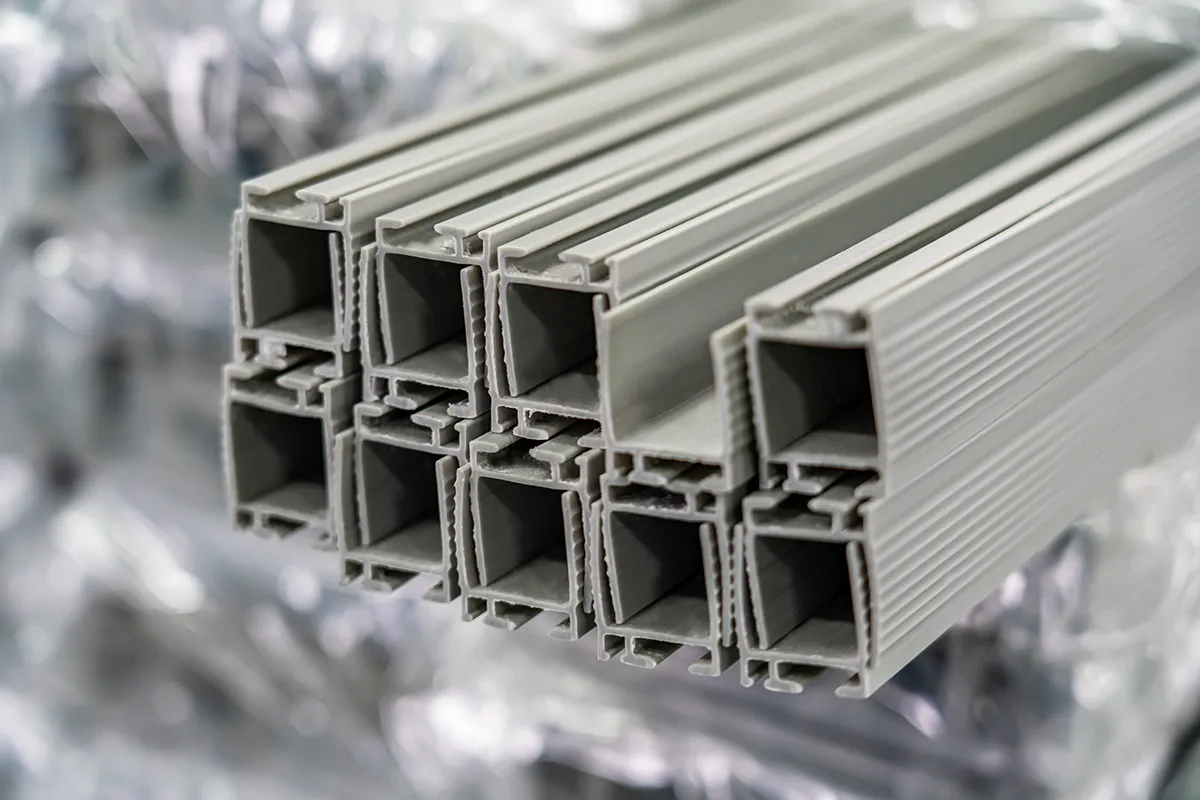
1. Features of PVC Duct Flanges
PVC duct flanges are typically used in light-duty or medium-to-low pressure HVAC duct systems and offer good workability and cost advantages.
Key features include:
- Lightweight material for easy transportation and installation
- Easy processing and adaptable to various duct sizes
- Lower cost, suitable for budget-sensitive projects
- Certain level of corrosion resistance
However, due to the limited structural strength of PVC, it is more suitable for systems with lower load requirements.
2. Features of Aluminum Duct Flanges
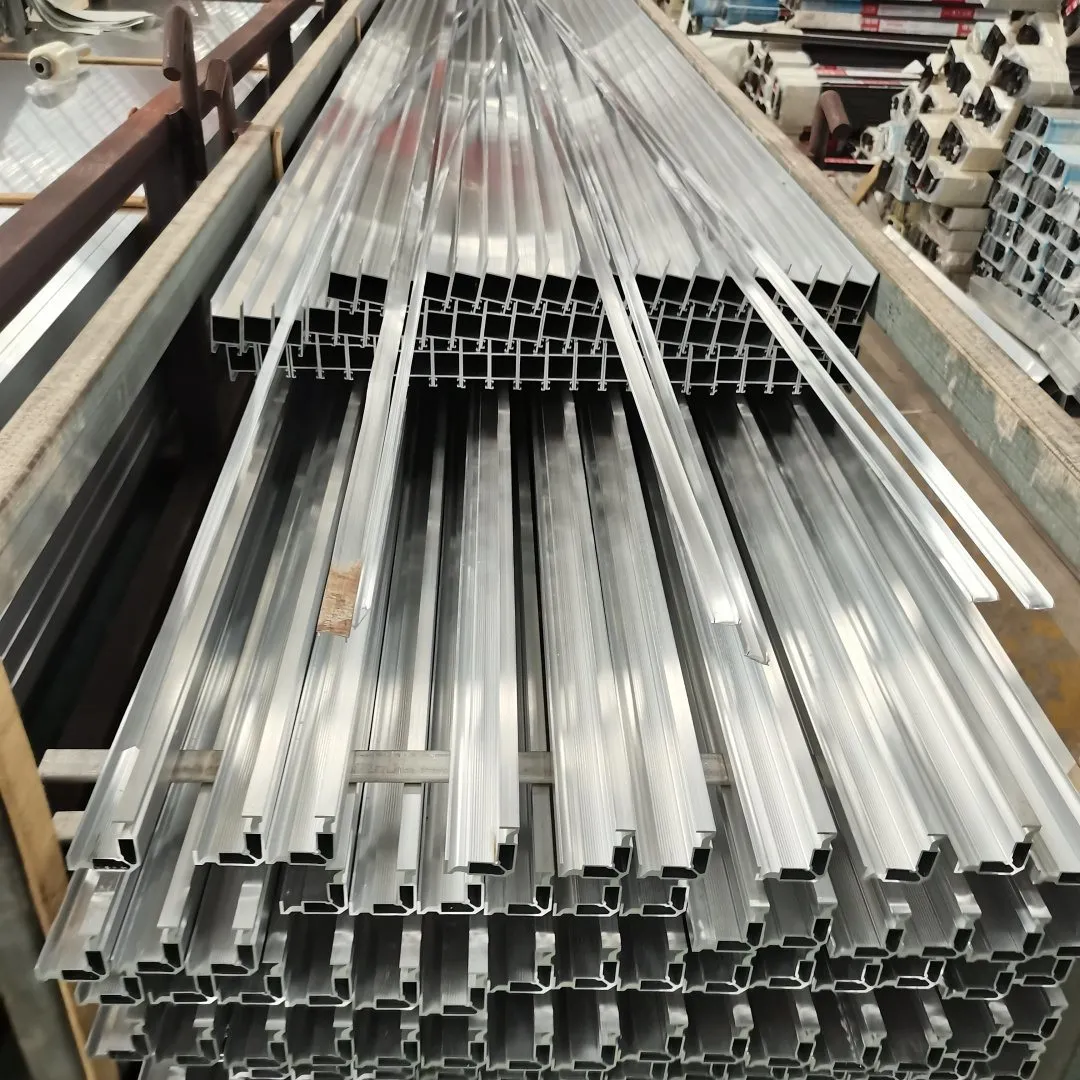
Aluminum duct flanges offer superior structural strength and durability, making them suitable for mid-to-high-end HVAC systems and long-term operation environments.
Key features include:
- High structural strength with low deformation risk
- Excellent corrosion resistance and superior long-term durability under HVAC operating conditions
- Suitable for long-term operation and complex conditions
- Strong compatibility with pre-insulated duct systems
They are widely used in large commercial buildings, industrial facilities, and high-standard HVAC projects.
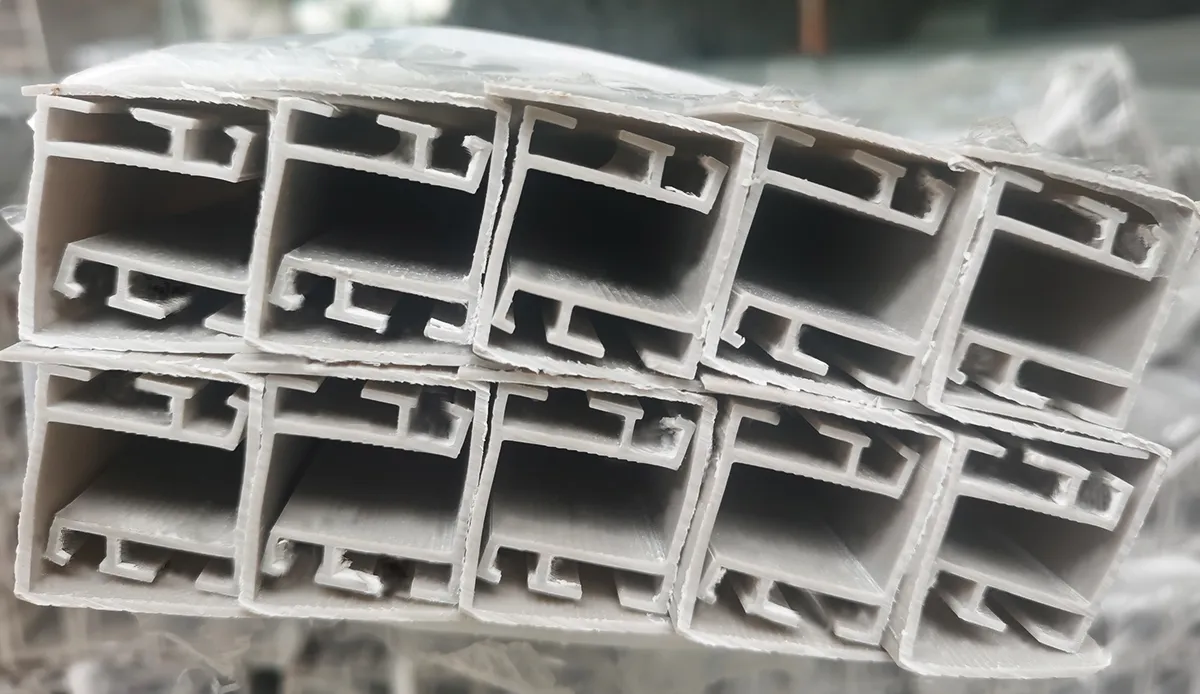
3. Key Differences Between PVC and Aluminum Flanges
From an engineering perspective, the main differences include:
1. Structural Strength
Aluminum flanges are significantly stronger and suitable for higher pressure and longer duct spans.
2. Service Life
Aluminum offers better long-term stability and resistance to aging and deformation.
3. Cost
PVC flanges are more cost-effective and suitable for lightweight systems.
4. Application Environment
PVC is suitable for general indoor environments, while aluminum is better for demanding or complex conditions.
4. How to Select the Right Duct Flange?
In practical HVAC projects, flange selection depends on several factors:
- Duct system pressure rating
- Operating environment (humidity, corrosion conditions)
- Project budget
- Required service life
- Whether it is a pre-insulated duct system
General selection guidance:
- Cost-sensitive or light-duty systems → PVC duct flanges
- Commercial buildings, industrial projects, and high-performance systems → Aluminum duct flanges
5. Application in Pre-Insulated Duct Systems
In PIR pre-insulated duct systems, flange connections not only affect installation efficiency but also directly impact system airtightness and structural stability.
Due to its higher strength, aluminum duct flanges are often selected for projects requiring higher structural strength and long-term stability, especially in factory-prefabricated and modular installation workflows.
6. Strong Manufacturing for Reliable Duct Connections
As a manufacturer specializing in pre-insulated duct systems, GFI Duct has long been supplying PIR/PU/Phenolic pre-insulated duct panels, PVC duct flanges, aluminum duct flanges, and related HVAC accessories. Its products have been exported to more than 60 countries and regions, including the USA, Spain, Australia, Indonesia, Malaysia, Thailand, Sri Lanka, Qatar, Pakistan, Bangladesh, Nigeria, Ghana, Mexico, Colombia, the Dominican Republic, Costa Rica, and many others.
GFI is equipped with large-scale production lines and professional processing equipment, capable of meeting the supporting needs of duct systems in various specifications. At the same time, the company has a professional R&D team and cooperates with universities on technical development, continuously improving the structural strength, installation efficiency, and long-term stability of duct connection systems.
To meet different HVAC project requirements, GFI provides integrated solutions ranging from pre-insulated duct panels to flange accessories, making them suitable for commercial buildings, industrial ventilation, and central air conditioning system applications.
Conclusão
PVC and aluminum duct flanges each have their own advantages and application scenarios, with no absolute superiority. In HVAC system design, selection should be based on project requirements, structural conditions, and cost considerations. With the growing adoption of pre-insulated duct systems, aluminum flanges are increasingly used in high-performance HVAC applications.
CONTACTE
Deixe-nos uma mensagem e nossa equipe entrará em contato em breve.