
 English
  Arabic
  Chinese
  French
  German
  Portuguese
  Russian
  Spanish
  Thai
Thai  Vietnamese

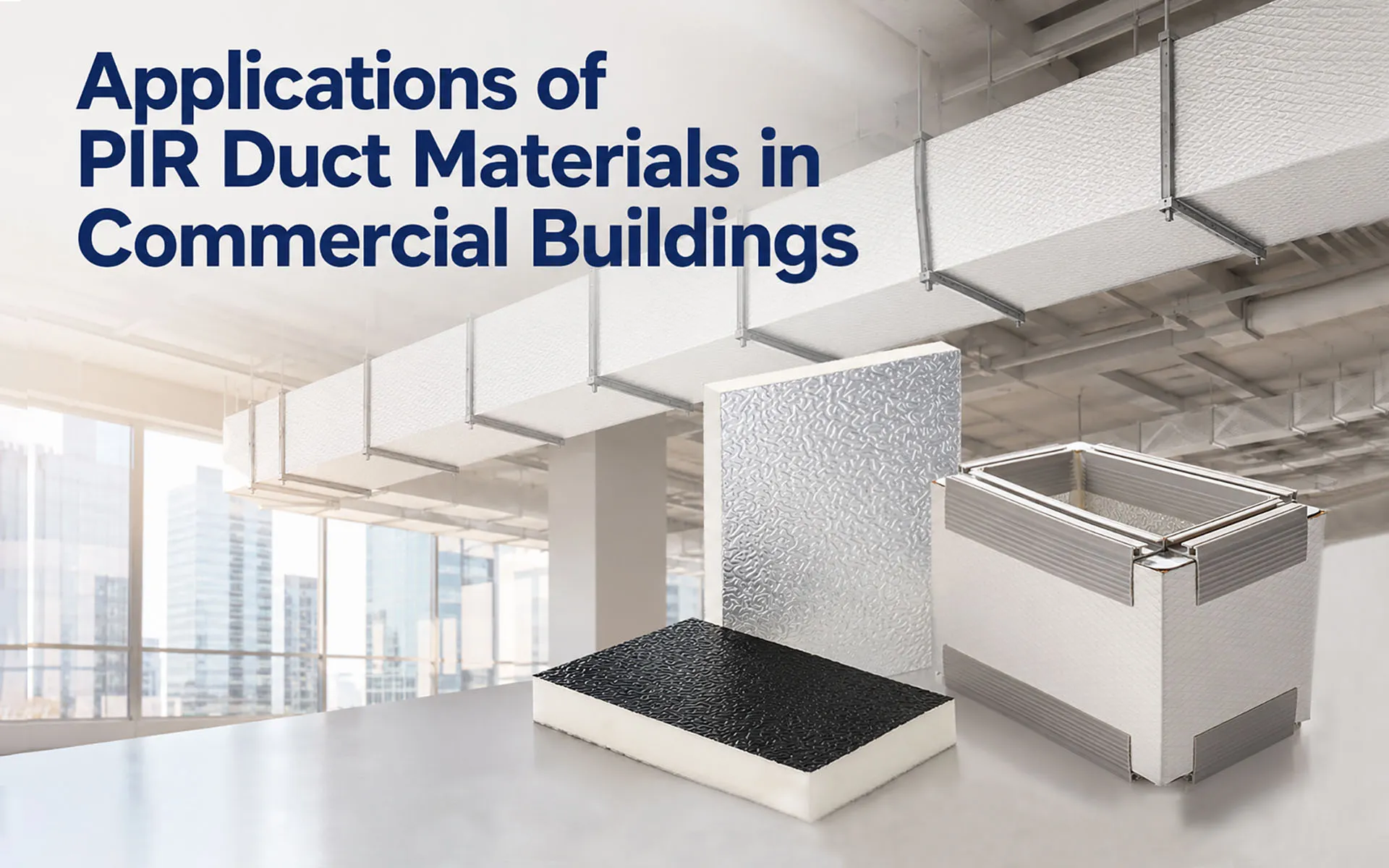
As modern commercial buildings place higher demands on energy efficiency, environmental performance, and installation efficiency, PIR pre-insulated duct (Polyisocyanurate duct) materials are becoming increasingly popular in HVAC systems. Compared with traditional galvanized iron (GI) duct systems with external insulation, PIR duct materials provide better thermal insulation, lighter weight, and higher system integration, helping improve the overall operating efficiency of commercial HVAC systems.
Today, PIR pre-insulated ducts are widely used in shopping malls, office buildings, hotels, airports, hospitals, and large commercial complexes.
1. Why Commercial Buildings Are Increasingly Using PIR Duct Materials
Commercial buildings usually have the following characteristics:
- Large HVAC systems
- Long operating hours
- High energy consumption requirements
- Strict construction schedules
- Higher indoor air quality standards
Traditional GI ducts require additional external insulation, which increases installation complexity and can lead to air leakage, condensation, and insulation aging problems.
PIR duct systems use an integrated pre-insulated structure. This reduces installation steps and improves overall HVAC system performance.
2. Main Advantages of PIR Duct Materials
Excellent Thermal Insulation Performance
PIR material has a low thermal conductivity, which helps reduce cooling or heating loss during air transmission inside the duct system, thereby improving the overall thermal performance of HVAC systems.
Its main advantages include:
- Reducing heat loss in duct systems
- Improving supply air temperature stability
- Lowering HVAC operating energy consumption
- Helping improve overall building energy efficiency
For large commercial buildings, data centers, and public facilities, good thermal insulation performance contributes to more stable and energy-efficient HVAC system operation.
Lightweight Structure Reduces Building Load
Compared with traditional GI duct systems, PIR ducts are much lighter.
Benefits include:
- Easier installation and lifting
- Reduced structural load on buildings
- Faster installation efficiency
- Lower transportation costs
This advantage is especially important in high-rise commercial building projects.
Reduced Air Leakage and Better Airtightness
Air leakage directly affects HVAC system efficiency.
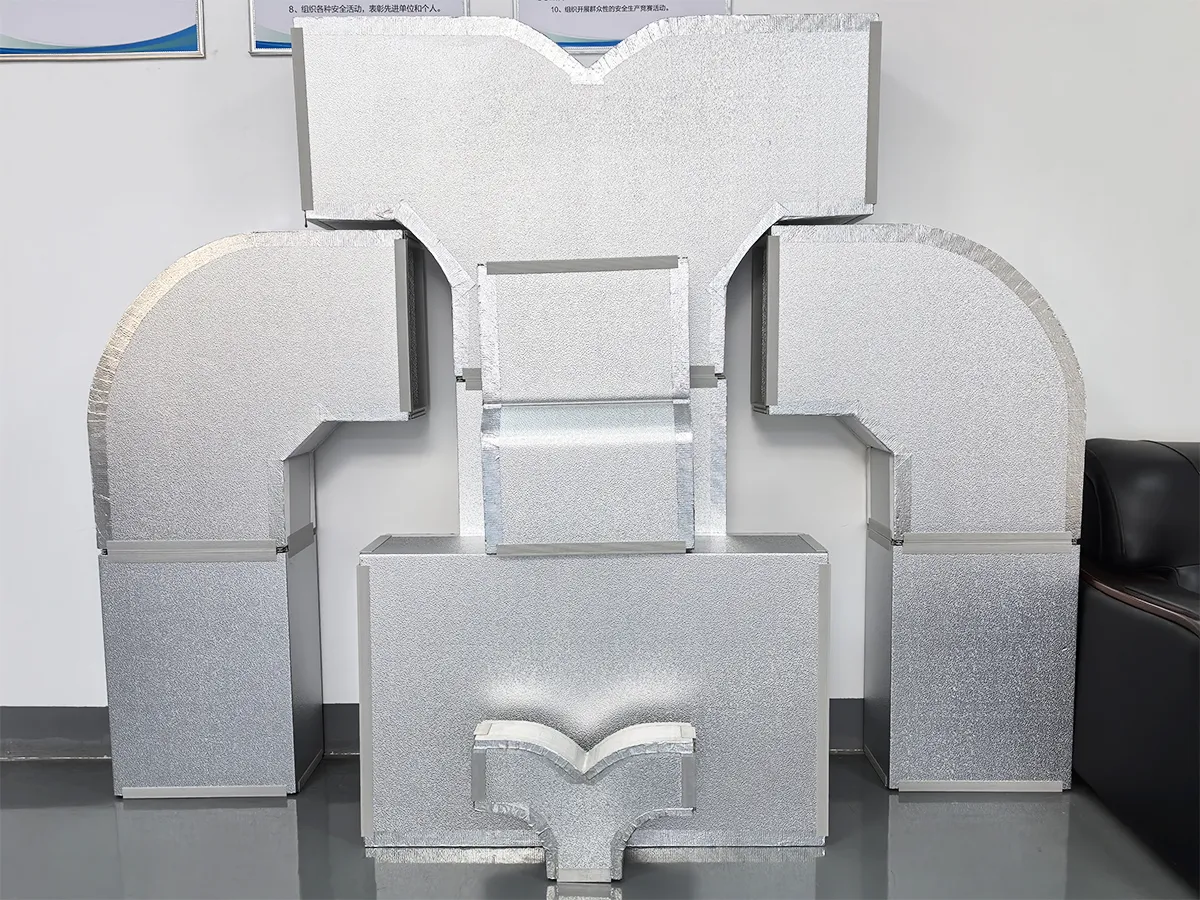
PIR pre-insulated ducts use an integrated joint structure that provides:
- Lower air leakage rates
- Better airtight performance
- More stable airflow delivery
This helps improve the operating stability of commercial HVAC systems.
Reduced Condensation Risk
Chilled water systems and low-temperature air supply systems in commercial buildings often face condensation problems.
PIR duct materials provide excellent thermal insulation and moisture resistance, helping:
- Prevent surface condensation on ducts
- Reduce ceiling moisture damage
- Prevent mold growth
This is especially important in shopping malls, hotels, and office buildings.
Higher Installation Efficiency
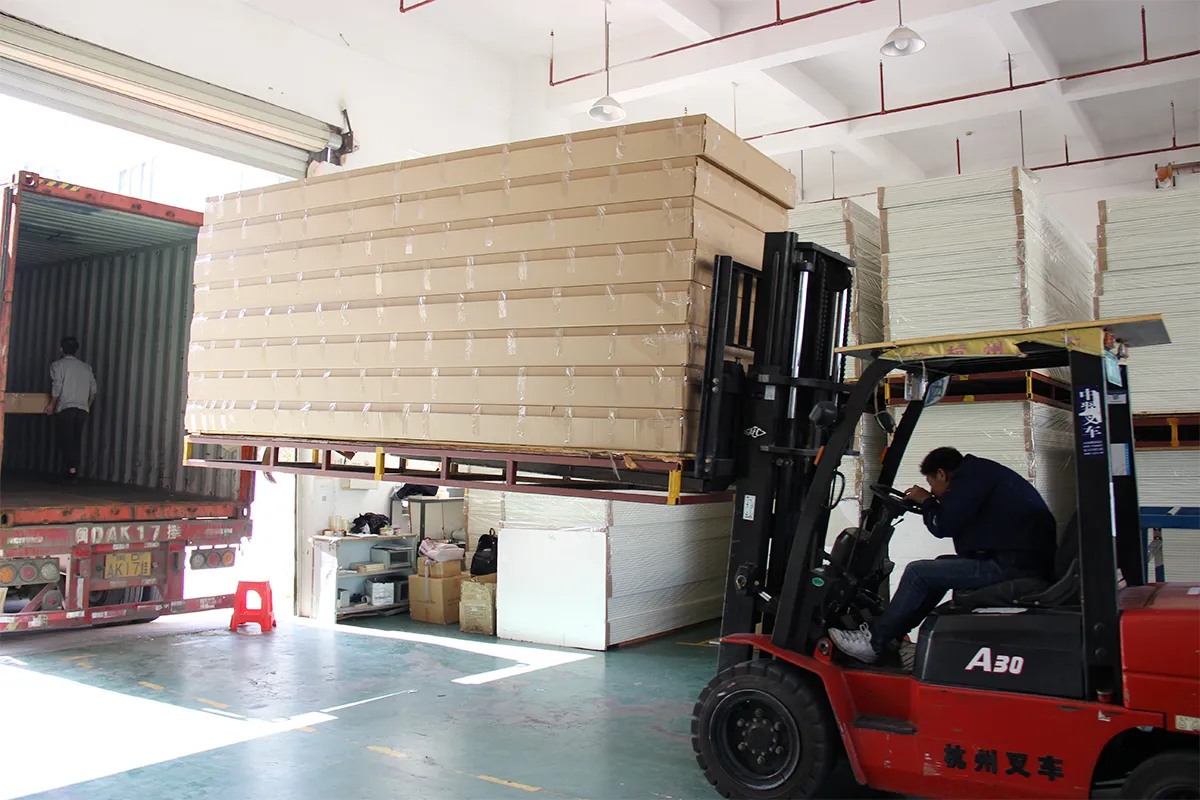
PIR pre-insulated duct systems are usually prefabricated in factories.
Compared with traditional duct systems:
- Fewer installation procedures
- Faster installation speed
- Lower labor costs
- Easier project schedule control
For large commercial projects, this can significantly shorten construction time.
3. Applications of PIR Duct Materials in Different Commercial Buildings
Shopping Malls
Large shopping centers require complex HVAC systems. PIR ducts help reduce energy consumption and improve airflow efficiency.
Office Buildings
Modern office buildings focus more on energy efficiency and indoor air quality. PIR ducts help improve HVAC system stability.
Hotel Projects
Hotels require lower operating noise and higher comfort levels. PIR ducts provide good acoustic performance.
Airports and Exhibition Centers
Large-space buildings require efficient air distribution systems. Lightweight PIR ducts are suitable for large airflow projects.
Hospitals and Clean Areas
PIR duct systems provide good moisture resistance and clean air performance, meeting the requirements of high-standard HVAC environments.
4. Future Trends of PIR Duct Systems
As green building standards and energy-saving requirements continue to increase, commercial HVAC systems are developing toward:
- Higher energy efficiency
- Lightweight systems
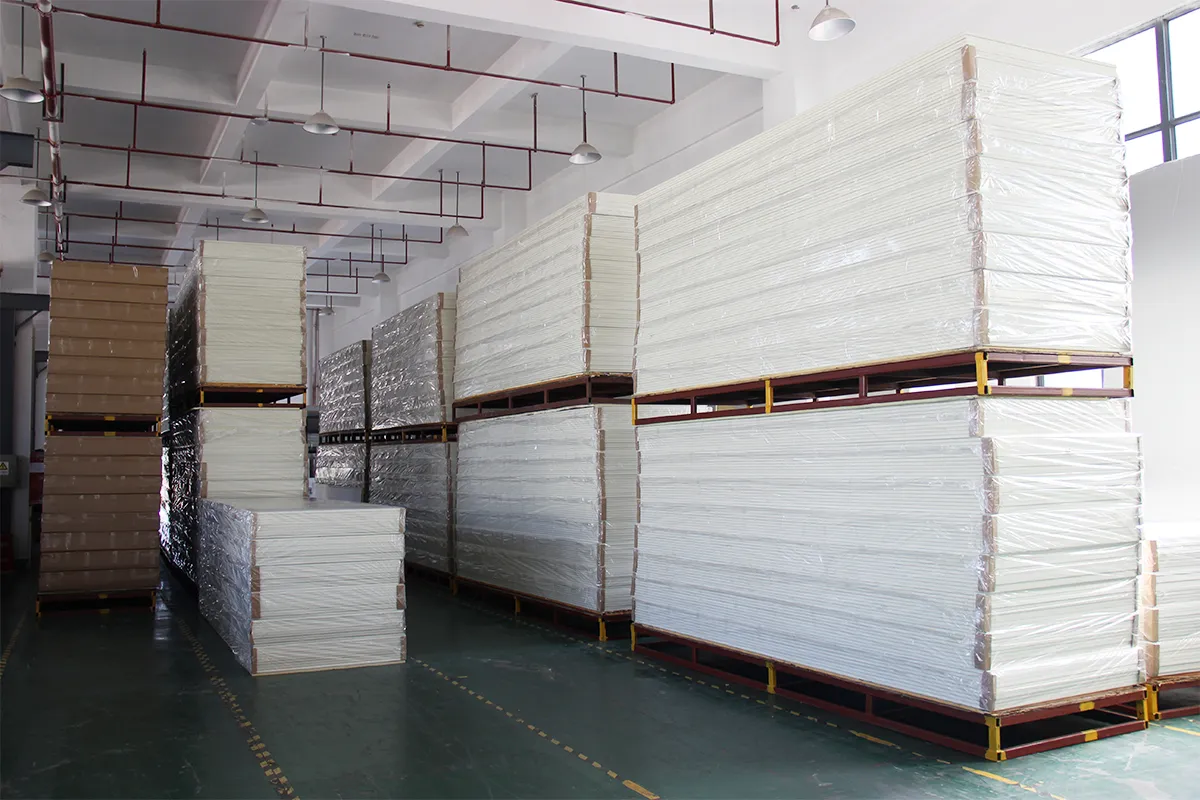
- Factory prefabrication
- Standardized installation
With their comprehensive performance advantages, PIR pre-insulated duct materials are gradually replacing some traditional GI duct systems and becoming an important solution in modern commercial HVAC applications.
Conclusion
The use of PIR duct materials in commercial buildings continues to grow. Their excellent thermal insulation, lightweight structure, low air leakage, and high installation efficiency make them an important choice for modern HVAC systems.
As commercial buildings continue demanding higher energy efficiency and faster construction, PIR pre-insulated duct systems will play an even more important role in the future HVAC market.
CONTACT US
Leave us a message and our team will get back to you soon.