
 English
  Arabic
  Chinese
  French
  German
  Portuguese
  Russian
  Spanish
  Thai
Thai  Vietnamese

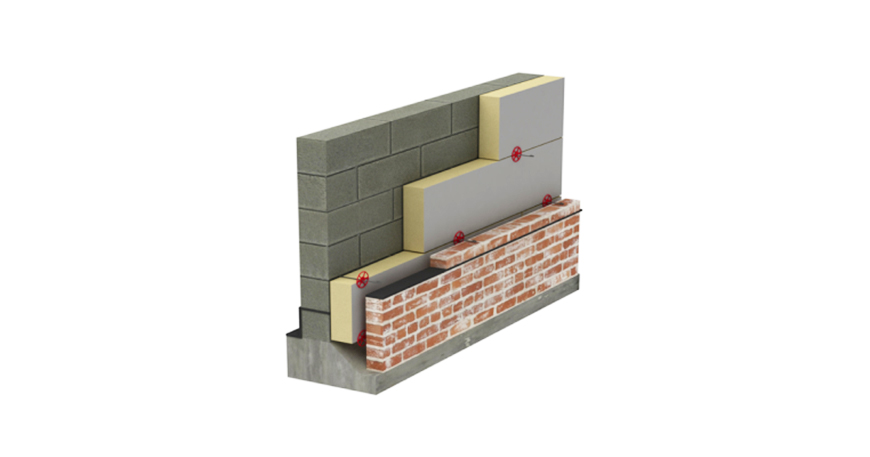
How to Install PIR Insulation Boards on Wall?
Installing PIR Insulation Boards on walls is one of the most reliable ways to reduce heat loss, cut energy bills, and improve indoor comfort. Whether you are working on a residential home or a commercial project, proper installation ensures maximum thermal performance and long-term durability. This step-by-step guide explains how to install PIR Thermal Insulation Boards on walls, including the tools, materials, and techniques you need for a smooth and professional finish.
How to Cut and Install PIR Insulation Boards
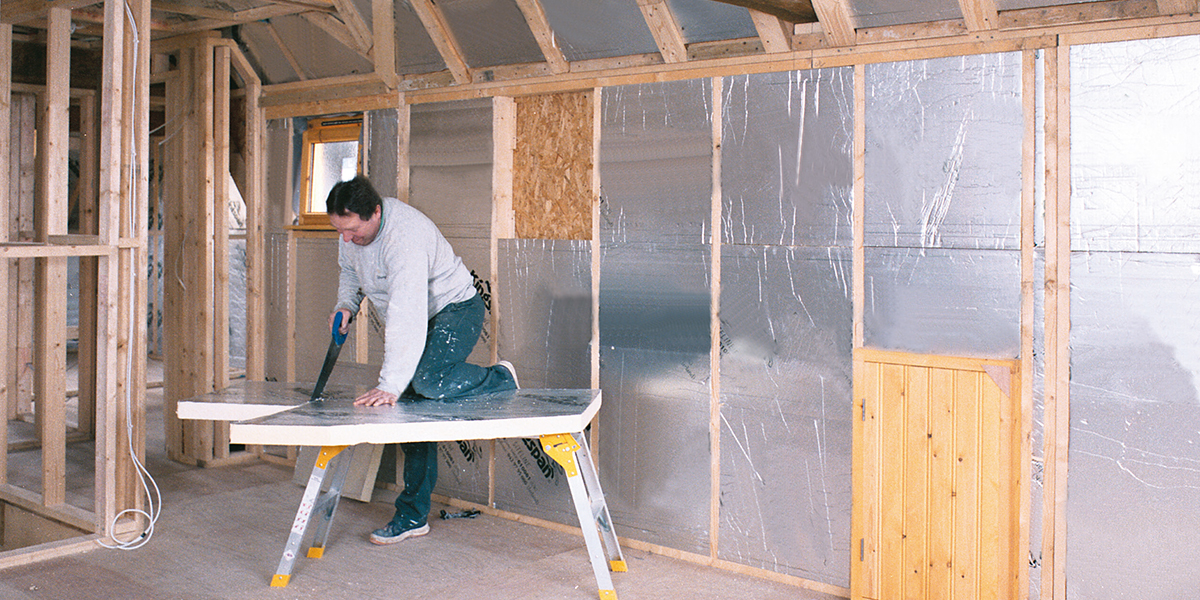
When it comes to residential and commercial insulation, PIR Insulation Boards are a reliable choice thanks to their lightweight design, easy installation, and excellent thermal performance. To achieve maximum efficiency and accuracy, it’s important to use the correct cutting techniques and follow the proper installation steps. Below is a complete guide on how to cut PIR Boards and install them on both solid masonry walls and timber frame walls.

Part 1: Cutting PIR Boards
Tools You Will Need
- A stable work surface
- Measuring tape and straight edge/guide rail
- Permanent marker
- Sharp utility knife or fine-tooth saw
- Safety equipment (mask, gloves, safety goggles, protective clothing)
Safety Considerations
Cutting PIR Insulation Boards creates dust and fine particles that may irritate the eyes, skin, or respiratory system. Always wear a protective mask, goggles, and gloves. Ensure the boards are supported on a stable base to avoid movement during cutting.
Cutting Steps
- Measure and Mark: Use a measuring tape and straight edge to mark the required size with a permanent marker. Remember the rule: measure twice, cut once.
- Score and Cut: With a sharp utility knife, score along the marked line and then snap the board cleanly. Alternatively, use a fine-tooth saw to cut through the full thickness of the board.
- Trim and Adjust: Smooth rough edges with a knife or sandpaper to ensure a snug fit and minimal gaps between boards.
Part 2: Installing PIR Boards for Wall Insulation (Solid Masonry Wall)
Materials and Tools
- High-quality adhesive (suitable for PIR Thermal Insulation Boards)
- Aluminum foil tape
- Polyurethane foam or insulation sealant
- Spirit level
- Mechanical fixings (anchors or fasteners)
- Trowel, measuring tape, cutting tools
- Safety equipment
Installation Steps
- Preparing the Wall Surface: Ensure the masonry wall is clean, dry, and free of debris, paint, or plaster residues. For uneven walls, apply a leveling compound to create a smooth surface.
- Measuring and Cutting the Boards: Measure the wall dimensions and cut the PIR Insulation Boards to size, leaving a 15 mm expansion gap at the bottom. Test-fit the boards before applying adhesive.
- Applying Adhesive: Apply adhesive in vertical strips or continuous beads across the back of each board. Around wall edges, corners, and openings (windows, sockets), apply a continuous adhesive line to ensure full bonding.
- Installing the Insulation Boards: Press each PIR Board firmly against the wall, starting from the bottom and working upwards. Use a spirit level to ensure the boards are aligned correctly. Leave a small gap between boards for expansion.
- Securing with Mechanical Fixings: Add at least 6 mechanical fixings per board (four corners and two in the center). The fixings must penetrate both the insulation and the wall for long-term stability and fire safety.
- Sealing Joints and Edges: Fill all gaps with polyurethane foam or sealant, and cover board-to-board joints with aluminum foil tape to eliminate thermal bridging.
- Applying the Finishing Layer: After sealing, cover the wall with plasterboard, render, or cladding to provide additional weather protection and a clean finish.

Part 3: Installing PIR Boards for Wall Insulation (Timber Frame Wall)
- Prepare the Frame
Make sure the timber wall cavity is clean and structurally sound. - Measure and Cut
Cut the PIR Insulation Boards to match the cavity size so they fit flush with the timber frame depth. - Insert and Secure
Place the boards tightly into the cavities and secure with appropriate fixings. Trim edges if necessary to ensure there are no gaps. - Install a Vapour Control Layer
On the warm side of the insulation, install a vapour barrier to prevent condensation issues inside the timber frame. - Finish with Plasterboard
Finally, install plasterboard or insulated plasterboard over the PIR Boards for Wall, completing the interior surface.

CONTACT US
Leave us a message and our team will get back to you soon.