
 Spanish
  Arabic
  Chinese
  English
  French
  German
  Portuguese
  Russian
  Thai
Thai  Vietnamese


In modern HVAC engineering, duct insulation is no longer a secondary consideration. It has become a critical factor that directly affects system performance, installation efficiency, and long-term operating cost. As commercial complexes, hospitals, data centers, and renovation projects demand higher reliability, energy efficiency, and construction control, more projects are shifting away from traditional layered duct insulation toward integrated pre-insulated duct systems.
This transition reflects not only a change in materials, but a fundamental upgrade in HVAC system design philosophy.
1. What Is an Integrated Pre-Insulated Duct System?
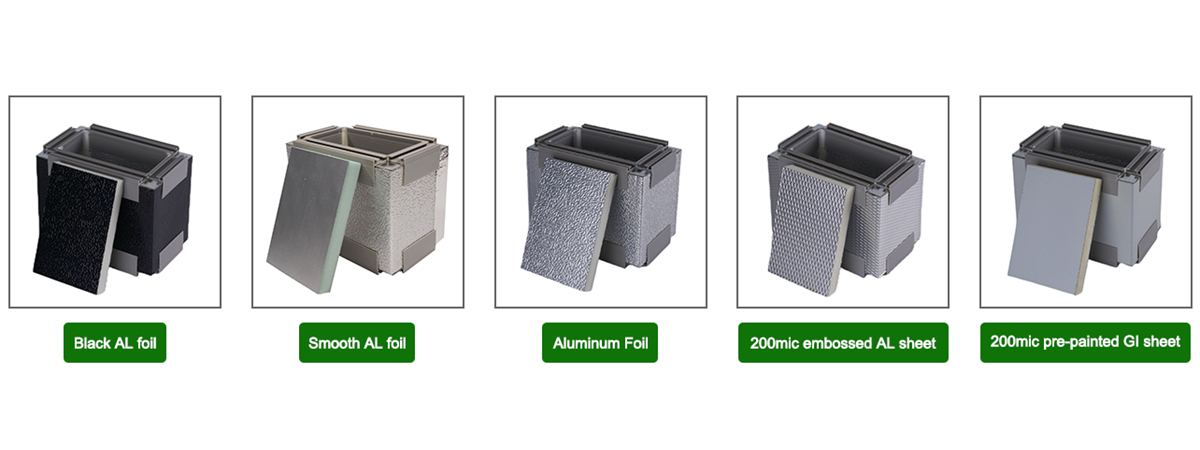
An integrated pre-insulated duct system typically consists of PU or PIR closed-cell rigid foam panels with aluminum foil facings, combining the duct structure, insulation layer, and external protective surface into a single system.
Compared with traditional solutions—such as galvanized steel ducts combined with separate insulation layers and external vapor barriers—integrated systems offer several structural advantages:
- Closed-cell foam structure with very low water absorption
- Excellent resistance to condensation and moisture ingress
- Stable thermal performance over long service life
- No secondary insulation or external cladding required
- Lightweight construction, reducing structural load and hanger stress
By integrating airflow, insulation, and protection into one solution, the duct system itself becomes a key contributor to energy efficiency and operational reliability.

2. Key Reasons Projects Are Switching to Integrated Systems
2.1 Lower Total Cost Over the System Lifecycle
Although the initial material cost of pre-insulated duct systems may be slightly higher than traditional layered solutions, the total lifecycle cost over 15–25 years is significantly lower.
Key contributors include:
- Reduced thermal losses and lower energy consumption
- Minimal maintenance requirements
- Fewer condensation-related issues such as mold or insulation failure
- Reduced risk of rework and operational disruption
In practice, the savings achieved during operation and maintenance often exceed the initial material price difference.
2.2 Faster Installation and Reduced Site Risk
Integrated duct systems are manufactured using standardized panel sizes and modular fabrication methods, resulting in simplified on-site installation:
- No secondary insulation wrapping
- Fewer hangers and support points required
- Lightweight sections improve handling and jobsite safety
This makes integrated systems especially suitable for projects with tight schedules, congested ceiling spaces, or strict safety requirements.

2.3 Improved System Performance and Reliability
The benefits of integrated duct systems go beyond thermal insulation:
- Moisture resistance: Closed-cell foam blocks vapor penetration
- Thermal stability: Design thermal conductivity remains consistent over time
- Structural integrity: Fewer layers and interfaces reduce air leakage risk
For environments such as hospitals, data centers, and high-end commercial buildings—where temperature, humidity, and air quality must remain stable—system reliability is a decisive advantage.
2.4 Ideal for Retrofit and Upgrade Projects
In renovation and retrofit projects, integrated pre-insulated duct systems offer exceptional flexibility:
- Lightweight design reduces structural reinforcement needs
- Easy cutting and modification for limited ceiling spaces
- Faster commissioning and reduced downtime
As a result, many HVAC upgrades now prioritize integrated duct solutions to minimize disruption while improving overall system performance.
3. Proven Value Across Multiple Applications
Integrated pre-insulated duct systems have demonstrated strong performance in a wide range of projects:
- Commercial complexes: Large duct networks with fewer supports and cleaner installation
- Hospitals and healthcare buildings: Reduced condensation risk and stable indoor conditions
- Data centers: Continuous operation with high reliability and thermal control
- Industrial facility upgrades: Shorter construction cycles and lower maintenance demand
In these applications, integrated duct systems are no longer an alternative option—but a preferred engineering solution.

Conclusión
As HVAC projects place greater emphasis on reliability, energy efficiency, installation control, and long-term operating cost, integrated pre-insulated duct systems are steadily replacing traditional layered duct solutions.
By addressing the long-standing challenges of moisture control, thermal stability, installation complexity, and maintenance, integrated systems provide a more predictable, durable, and efficient approach to air distribution.
GFIDuct continues to support commercial and industrial HVAC projects worldwide with high-performance integrated pre-insulated duct systems—helping engineers and contractors achieve the optimal balance between structural safety, construction efficiency, and long-term system performance.
CONTACTO
Déjanos un mensaje y nuestro equipo se pondrá en contacto contigo lo antes posible.