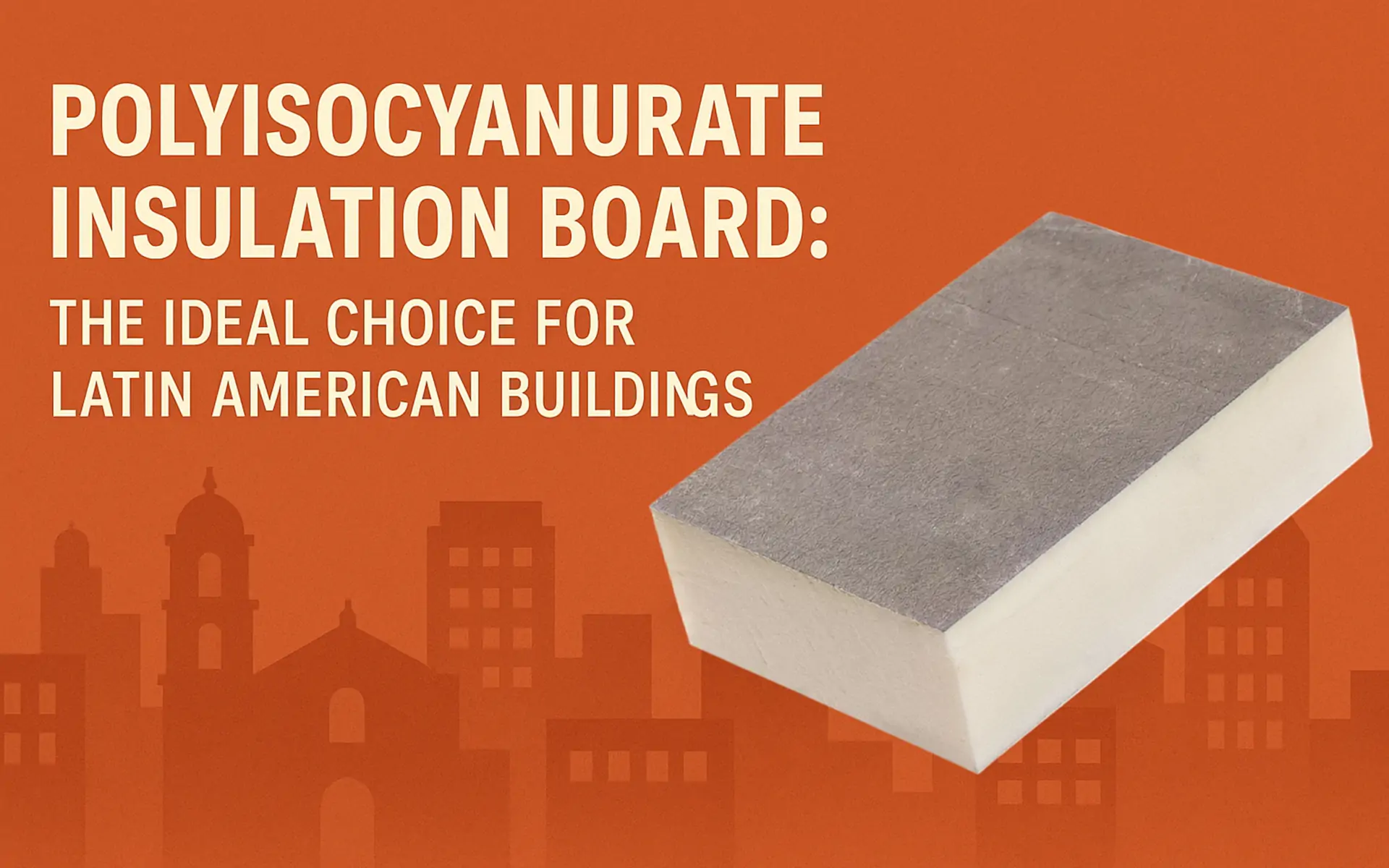
Polyisocyanurate (PIR) Insulation Boards provide an efficient, fire-safe, and moisture-resistant insulation solution for Latin American buildings facing hot, humid, and climate-variable conditions. With low thermal conductivity, stable performance across a wide temperature range, and compliance with international standards, GFI PIR insulation boards help reduce cooling energy consumption, enhance building durability, and support sustainable construction in residential, commercial, and industrial projects.
This article compares phenolic duct panels and GI ducts, highlighting phenolic foam’s advantages in thermal insulation, fire safety, installation convenience, and longevity, making it the ideal choice for modern HVAC applications.
Pre-insulated duct panels offer a lightweight, energy-efficient HVAC solution for high-rise buildings. Ideal for ductwork and thermal insulation in walls and ceilings.
GFIDuct has completed production and shipment of 50mm PU rigid foam boards for wall insulation—featuring dual-surface design for thermal and structural performance.
Polystyrene and polyurethane insulation boards differ in material composition, performance, and application. Polyurethane offers better thermal insulation, fire resistance, and moisture protection, while polystyrene is more cost-effective and easier to recycle. Choosing the right board depends on project needs like energy efficiency, installation method, and environmental priorities.
Different types of ductwork have different lifespans. Flexible ducts may last 10–15 years, while galvanized and spiral ducts can exceed 25 years. Pre-insulated polyurethane ducts offer long-lasting, energy-efficient performance. Regular inspection helps determine when replacement is needed.

 Spanish
 Arabic
 Chinese
 English
 French
 German
 Portuguese
 Russian
 Thai
 Vietnamese