
 German
  Arabic
  Chinese
  English
  French
  Portuguese
  Russian
  Spanish
  Thai
Thai  Vietnamese


Why Are More Buildings Choosing Phenolic Insulation Boards?
In today’s construction industry, energy efficiency, sustainability, and safety have become core requirements in design and engineering. With the continuous tightening of building energy codes, traditional insulation materials are struggling to meet modern demands. In contrast, Phenolic Foam Insulation Boards are rapidly emerging as the preferred choice for architects, engineers, and contractors.
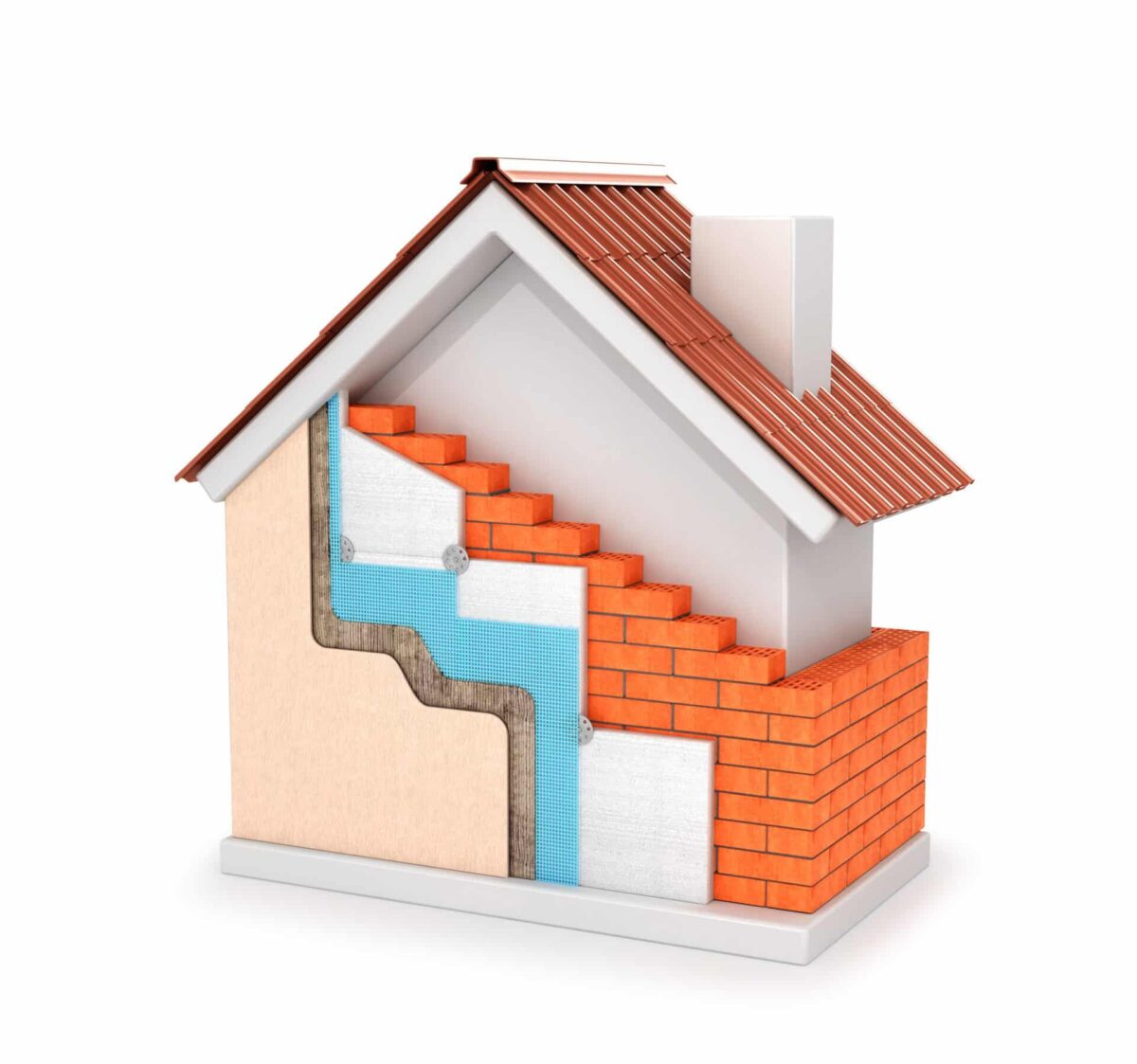
What is a Phenolic Insulation Board?
A Phenolic Foam Insulation Board consists of a rigid phenolic foam core laminated with 80-micron aluminum foil on both sides. Unlike traditional metal ducts with external insulation layers, phenolic boards integrate thermal insulation, fire resistance, and moisture protection in a single lightweight yet robust system.
They feature an ultra-low thermal conductivity of 0.02 W/m·K and achieve international fire safety ratings such as BS 476 Class 0 and ASTM E-84 Class A.

Why Are Phenolic Boards Becoming the Preferred Choice?
1. Superior Thermal Performance: Rising energy costs have made building efficiency a top priority. With their low thermal conductivity, phenolic boards significantly reduce energy loss and help projects achieve LEED, BREEAM, and other green building certifications.
2. Outstanding Fire Safety: Unlike combustible traditional materials, phenolic boards release minimal smoke during fire incidents and provide excellent flame resistance. This makes them highly suitable for hospitals, airports, and commercial complexes where fire safety is critical.
3. Lightweight and Easy to Install: Phenolic boards are up to 75% lighter than conventional duct systems with external insulation. This not only reduces transportation and lifting costs but also shortens construction schedules.
4. Long-Term Durability and Moisture Resistance: The aluminum foil facing acts as a robust vapor barrier, preventing mold growth and maintaining insulation efficiency. Their chemical resistance ensures long-term stability, even in harsh industrial environments.
5. Comparison with Traditional Materials: Compared with glass wool, rock wool, or polyurethane panels, phenolic insulation boards offer lower thermal conductivity, higher fire ratings, and lighter weight, making them an advanced alternative solution.
|
Schaumstoff-Dichte |
kg/m3 |
40 oder 60 |
|
Dicke der Aluminiumfolie |
Mikron |
80 |
|
Wärmeleitfähigkeit |
W/m.K |
0.02 |
|
Brandklasse |
|
BS 476 Teil 6 & 7 Klasse 0 ASTM E-84 Klasse A |
|
Druckfestigkeit |
Mpa |
0.25 |
|
Biegefestigkeit |
Mpa |
2 |
|
Wasserabsorption |
% |
0.25 |
|
Dimension ändern |
% |
0.3 |
|
Boards Thickness |
mm |
20-100mm |
|
Maximale Betriebstemperatur |
℃ |
120 |
Anwendungen
Phenolic insulation boards are widely applied across multiple sectors:
- External wall insulation – for new builds and retrofits.
- Roof insulation – suitable for both flat and pitched roofs.
- Floor and underfloor heating systems – reducing downward heat loss.
HVAC systems – as phenolic pre-insulated ducts or phenolic foam ducts, combining ductwork and insulation.

Why Choose GFIduct?
As a trusted supplier of HVAC insulation systems, GFIduct delivers internationally certified Phenolic Duct Panels and Phenolic Foam Insulation Boards. Our products meet stringent UL, ASTM, and BS 476 standards, ensuring outstanding performance in thermal efficiency, fire safety, and long-term durability.
Looking ahead, GFIduct remains committed to providing energy-efficient HVAC solutions that support global green building and sustainability initiatives.
KONTAKT US
Leave us a message and our team will get back to you soon.