
 Arabic
  Chinese
  English
  French
  German
  Portuguese
  Russian
  Spanish
  Thai
Thai  Vietnamese

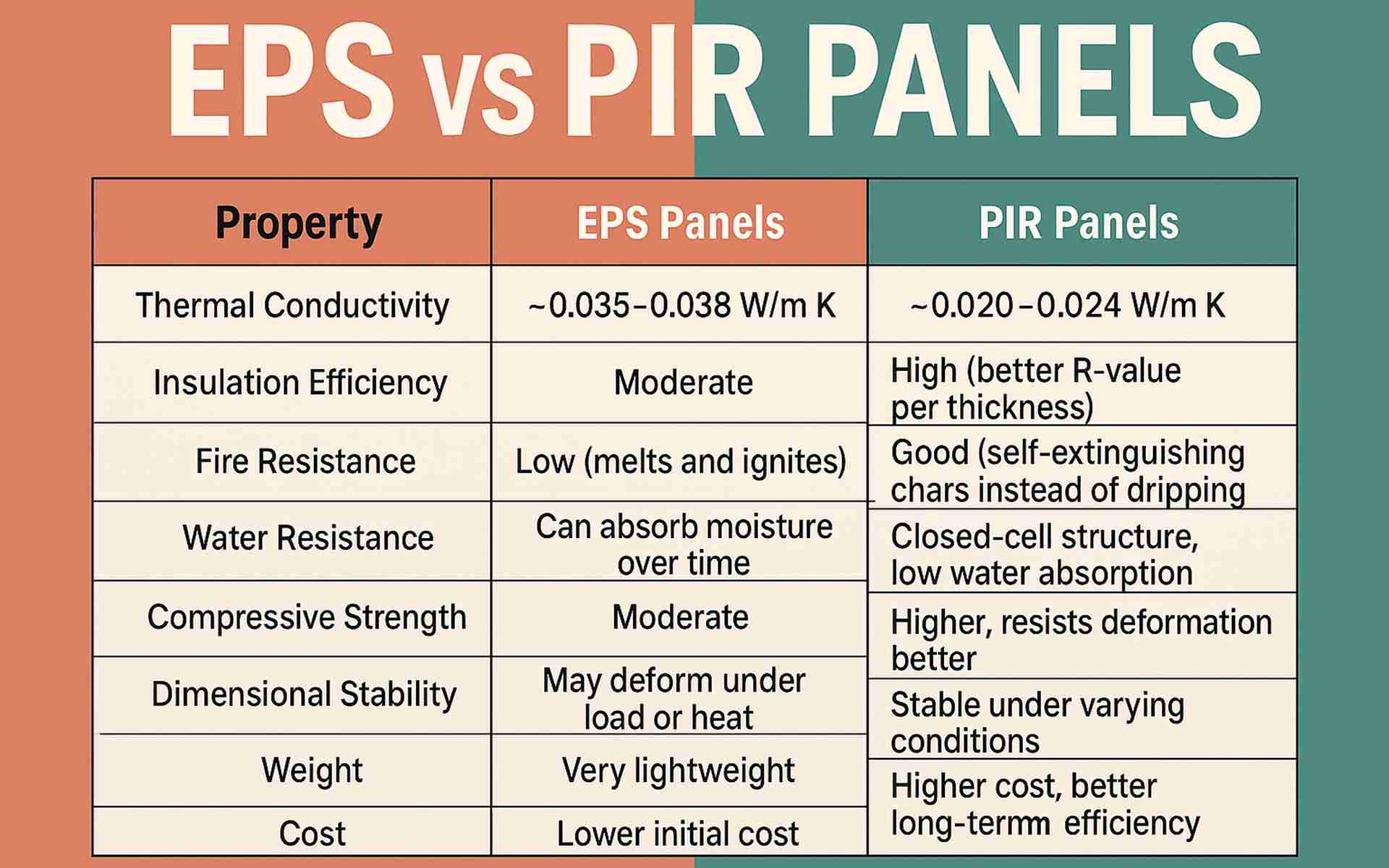
مقارنة بين ألواح العزل الحراري المصنوعة من البوليسترين الموسع (EPS) وألواح البولي إيزوسيانورات (PIR).
In modern building construction, energy efficiency and thermal performance have become top priorities. Whether for roofing, external walls, or floors, choosing the right insulation material directly impacts a building’s long-term performance, cost, and safety. Among the most widely used ألواح عازلة are EPS (Expanded Polystyrene) and PIR (Polyisocyanurate) panels.
While both serve as effective thermal insulation solutions, they differ in important aspects such as thermal conductivity, fire resistance, structural strength, and installation behavior. This article compares EPS and PIR panels to help project managers, engineers, and builders make informed decisions based on application needs.
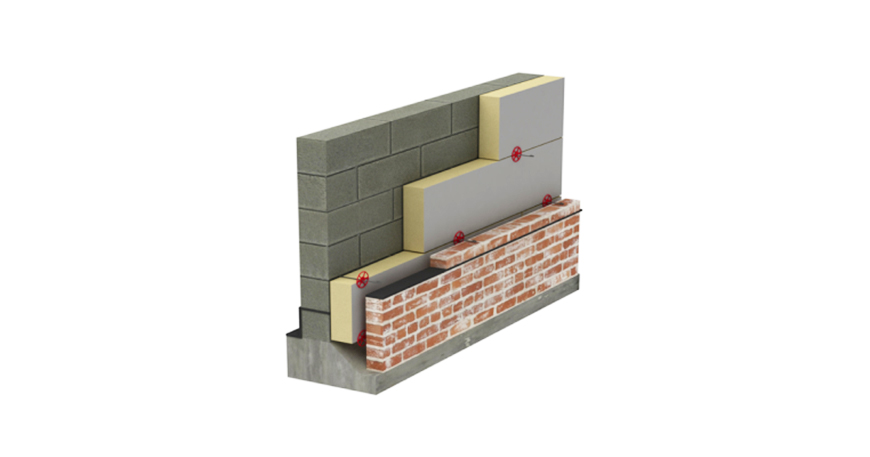
What Are EPS and PIR Panels?
EPS is a lightweight, rigid insulation board made from expanded polystyrene beads. It is cost-effective and provides basic thermal insulation for walls, roofs, and underfloor systems.
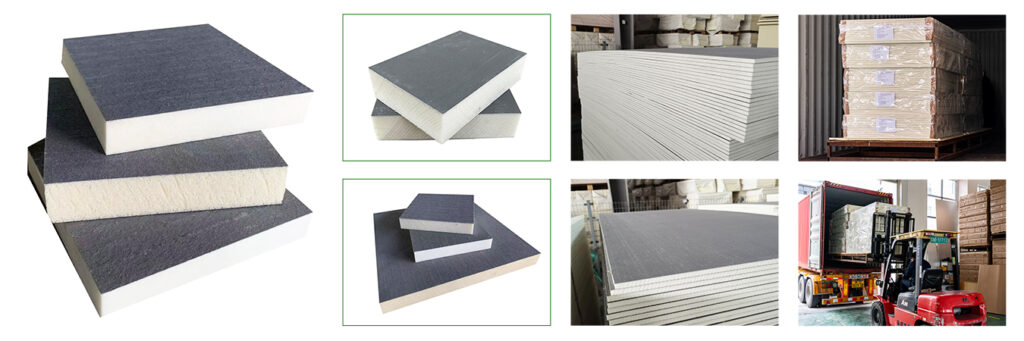
شرطة التدخل السريع is a thermoset plastic foam panel formed by reacting polyols and isocyanates. It offers superior thermal resistance, better fire performance, and structural rigidity compared to most other rigid foams.
Key Differences Between EPS and PIR Insulation Panels
| ملكية | EPS Panels | PIR Panels |
| توصيل حراري | ~0.035–0.038 W/m·K | ~0.020–0.024 W/m·K |
| Insulation Efficiency | معتدل | High (better R-value per thickness) |
| مقاوم النار | Low (melts and ignites) | Good (self-extinguishing, chars instead of dripping) |
| Water Resistance | Can absorb moisture over time | Closed-cell structure, low water absorption |
| قوة الضغط | معتدل | Higher, resists deformation better |
| الاستقرار الأبعاد | May deform under load or heat | Stable under varying conditions |
| وزن | Very lightweight | Slightly denser but still manageable |
| يكلف | Lower initial cost | Higher cost, better long-term efficiency |
Installation Differences: Practical Considerations On-Site
From a construction perspective, both EPS and PIR insulation boards are relatively easy to install. However, there are some practical differences that may influence material selection.
Cutting and Handling:
- PIR panels have a firmer, more stable structure, allowing for clean and accurate cuts with basic tools. EPS panels, while easy to cut, are more prone to crumbling, which may affect edge quality and require additional sealing.
Panel Thickness and Jointing:
- Because PIR offers a higher R-value per unit thickness, thinner panels can meet insulation targets more easily. This can lead to fewer joints, faster installation, and better airtightness in some building systems.
On-Site Fire Safety:
- PIR panels generally offer better behavior under heat or flame, making them a safer option during installation, especially in areas where hot tools or welding are used.
That said, EPS remains a practical choice for projects with limited budgets or where fire rating and insulation targets are less stringent. With correct installation and moisture control, EPS can still deliver effective thermal insulation in many applications.

Application Suitability
EPS Panels are commonly used in wall insulation, cold storage, perimeter foundations, and flat roof systems where cost-effectiveness and lightweight materials are prioritized.
PIR Panels are better suited for building envelopes requiring higher insulation performance, fire resistance, and long-term dimensional stability, such as external wall insulation systems (ETICS), pitched roofs, and energy-efficient buildings.

Conclusion: Choosing the Right Panel for Your Project
When selecting between EPS and PIR insulation boards, the right choice depends on your performance requirements, budget, and regulatory considerations.
- If cost is the primary driver and the application does not demand high fire resistance or ultra-low thermal conductivity, EPS panels offer a practical solution.
- If your project emphasizes energy efficiency, long-term durability, and fire safety, PIR panels deliver better performance despite a higher initial investment.
At GFIDuct, we offer high-performance PIR insulation panels that meet the needs of modern building standards. For more information or to request a quote, please visit www.gfiduct.com.
اتصل بنا
اترك لنا رسالة وسيقوم فريقنا بالرد عليك قريباً.